Loading...

Fire clean up in UAE helps restore homes and businesses after a fire. The service typically covers emergency response, securing the property, smoke and soot removal, odor elimination, water extraction...
Fire clean up in UAE helps restore homes and businesses after a fire. The service typically covers emergency response, securing the property, smoke and soot removal, odor elimination, water extraction and drying, deep cleaning, and coordination for repairs. The objective is to make the space safe ag
7.0K reviews
December 2025
Excellent and very professional service
December 2025
Very good service
December 2025
Very professional service.
December 2025
Friendly and efficient
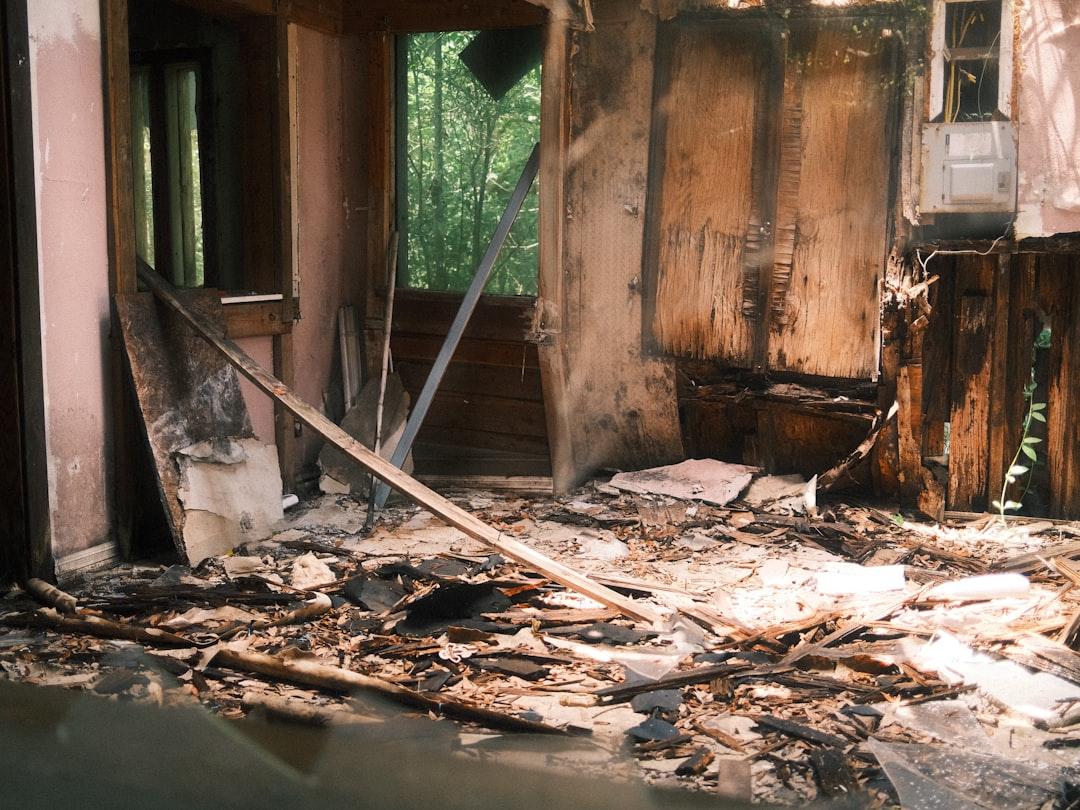
Fire damage spreads through a property in ways that are not always obvious on day one. Smoke can travel into cavities, settle on ceilings, and cling to porous finishes, while fine residue can collect on surfaces that look untouched. Heat can compromise wiring, fixtures, and key systems, which is why a professional inspection is often necessary before normal use resumes. Even in a home where flames stayed in one room, contamination can move through airflow pathways and leave a persistent smell that returns days later.
In many fire events, moisture from firefighting adds another layer of damage. Wet insulation, saturated flooring, and damp framing can deteriorate fast if drying is delayed. Combined contamination can also irritate lungs and skin, especially in enclosed spaces. A structured fire cleanup plan accounts for visible loss and hidden contamination, so the restoration is complete rather than cosmetic. This is how you avoid recurring problems and protect the long-term condition of the building.
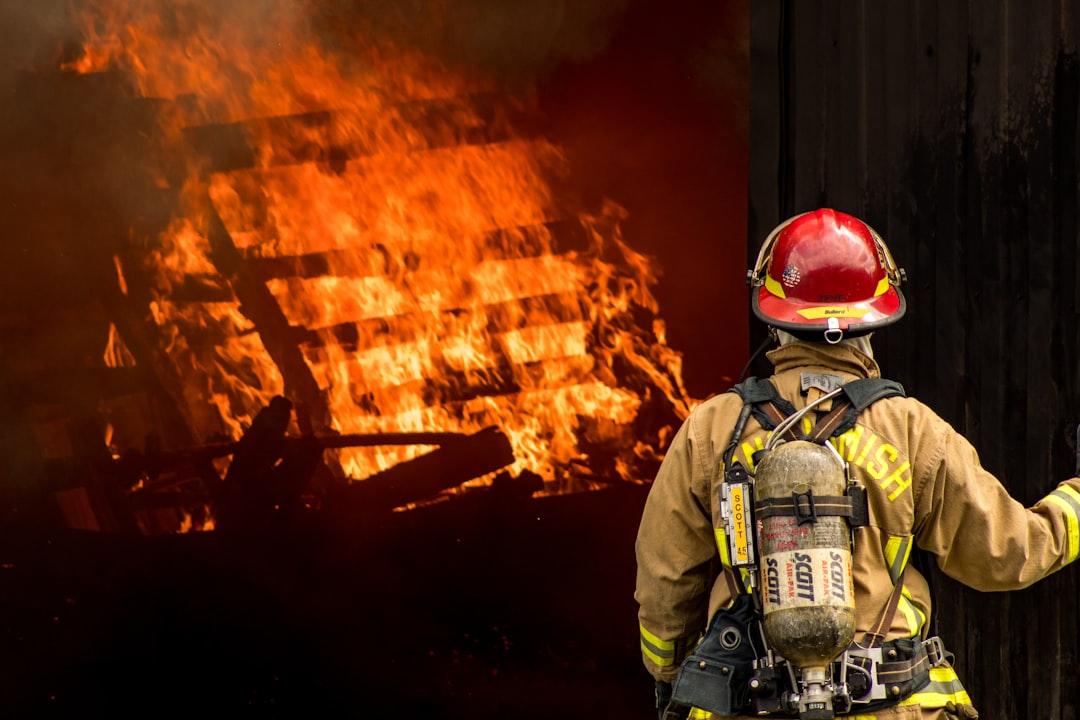
Time matters after fire damage because contamination becomes harder to treat as it settles and bonds to finishes. Smoke particles can embed deeper into fabrics, wood, and electronics, and residue can turn from removable to permanent staining. For a home, that can mean rooms that still smell after “basic cleaning.” For a business, it can mean extended downtime and a slower reopening. Early action also helps preserve salvageable belongings before corrosion or staining progresses.
Moisture left behind after firefighting can create conditions for mold growth within 24–48 hours, particularly behind baseboards, under flooring, and inside wall cavities. Fast extraction and controlled drying limit this risk and prevent secondary deterioration. A well-organized emergency mobilization can also secure the site, restrict access, and protect the property from weather exposure. Starting restoration services early usually shortens the overall timeline and keeps costs more predictable.
Our restoration services cover the full scope of fire damage cleanup, from immediate stabilization through final repairs. Instead of treating only what is visible, we address smoke contamination, residue removal, moisture control, content care, and rebuild work when needed. Each service phase follows a practical sequence so the home or commercial space is restored in a controlled way, with fewer surprises and less rework. This approach supports consistent results and helps owners regain normal use sooner.
After a fire, the first priority is to secure openings and prevent additional loss. Board-up service protects damaged doors and windows, while temporary tarping can shield compromised roof sections. This reduces weather intrusion, vandalism, and unauthorized entry. Stabilization also creates a safer workspace for technicians and helps keep contamination from spreading while cleanup begins.
Smoke contamination requires careful removal methods that match the residue type and the affected finish. Dry residue, oily residue, and protein-based residue behave differently, so the same technique should not be used everywhere. Proper soot removal limits smearing, reduces staining, and prevents re-depositing particles across the home. We clean affected surfaces with controlled methods to avoid pushing contamination deeper into porous areas.
Lingering smell is one of the most frustrating fire damage outcomes, because it can persist after visible cleanup. Our odor control uses targeted treatments such as thermal fogging, ozone, or hydroxyl technology, selected based on occupancy needs and sensitivity. The aim is to neutralize the source, not to mask it. Effective deodorization is a key part of complete restoration.
Moisture from firefighting must be removed quickly to protect floors, cavities, and finishes. We perform extraction where needed, then use dehumidifiers and air movers to dry affected areas. Monitoring tools confirm that moisture levels return to acceptable targets before repairs proceed. This reduces the chance of mold growth and limits long-term warping or deterioration.
Heat exposure can weaken parts of the structure and compromise safety. We coordinate an integrity assessment to identify compromised elements and determine which areas can be restored and which require rebuilding. Temporary stabilization may be used when needed to keep the premises secure during work. This protects workers and prevents avoidable damage during the restoration process.
Many belongings can be restored after a fire with the right cleaning and controlled handling. We evaluate furniture, textiles, documents, and selected electronics, then apply appropriate treatment or pack-out services when off-site cleaning is the best option. Sorting and documentation help insurance decisions and reduce waste. The goal is to restore what is practical and replace only what is necessary.
After residue removal, deep cleaning targets remaining contamination in affected rooms. We detail fixtures, high-touch areas, and overlooked zones where particles settle. When required, disinfection supports a healthier indoor environment for a home, office, or retail space. This is also where we confirm that cleanup has addressed both visible and hidden contamination.
Smoke particles can circulate through HVAC systems and settle inside ductwork, which can reintroduce contamination after cleanup. Duct cleaning, filter replacement, and system checks help restore indoor comfort and reduce recurring smell. This service is especially important when the system was running during the fire or when contamination spread across multiple rooms.
If portions of the property cannot be restored through cleaning, we move into repair and reconstruction. This may include drywall replacement, flooring repair, cabinetry rebuild, and finish restoration to return the space to pre-loss condition. Work is completed using compliant methods and aligned with relevant codes. The intent is a result that looks normal, functions properly, and supports safe occupancy.
| Phase | Typical Duration | What Happens |
|---|---|---|
| Immediate Stabilization | 24–48 hours | Secure the site, initial evaluation, board-up, moisture control |
| Cleanup | 3–7 days | Debris handling, residue removal, drying, deodorization |
| Restoration Work | 1–4 weeks | Content care, detailed cleaning, targeted repairs |
| Rebuild | 2–12 weeks | Reconstruction, finishes, final verification |
Fire damage cleanup is not only about appearance. Without specialist handling, contamination can be spread, sensitive finishes can be damaged, and hidden residue can remain in cavities or systems. Professional restoration services are designed to treat the entire property, including what you do not see. For a home, this protects comfort and health. For a business, it reduces downtime and supports a cleaner handover.
Expert handling also helps prevent secondary complications. Moisture control limits mold growth, correct removal methods reduce corrosion, and proper documentation supports insurance approvals. Most importantly, a structured approach makes sure the building is secure and usable again, rather than “mostly cleaned” with lingering smell and recurring staining.
After a fire, contamination may include fine particles and chemical byproducts that can irritate airways and skin. These hazards are more pronounced in enclosed rooms and in a home where occupants return too early. Controlled cleanup methods, protective equipment, and isolation measures limit exposure and reduce cross-contamination to unaffected areas.
Secondary deterioration can happen fast: moisture can feed mold growth, residue can stain finishes, and corrosion can affect electronics and metal components. Early restoration services stabilize the environment, keep humidity controlled, and reduce avoidable replacement costs. This is one of the main reasons fast action matters.
Heat can compromise load-bearing areas and key systems in subtle ways. A building integrity review helps confirm what can be restored safely and what needs repair. Addressing integrity early avoids rebuilding over compromised sections and helps keep the project controlled from start to finish.

Our fire damage restoration process is organized into phases that build on each other. We start by securing the property and controlling contamination, then move into detailed cleaning, content care, and repairs. This sequence avoids recontamination and supports consistent outcomes. It also gives owners a clearer timeline and fewer unexpected changes during restoration.
We begin with an evaluation of fire damage, contamination spread, and immediate hazards. Site controls may include access restriction, isolation barriers, and protection for unaffected rooms. This phase defines the scope of the service plan and sets priorities for cleanup and repair.
We address urgent needs such as moisture extraction, drying, and initial debris handling. Where required, we stabilize affected areas so work can proceed without creating additional damage. Moisture monitoring continues until targets are reached, reducing the chance of mold growth.
We complete residue removal across affected areas and apply deodorization designed for the contamination type. Finishes are treated with compatible products to avoid damage. The goal is to eliminate visible contamination and the underlying causes of lingering smell.
Belongings are cleaned and restored where practical, and key repairs are completed to return function. If the home or commercial space needs reconstruction, we plan the rebuild phase with clear scope and documentation. This keeps restoration services aligned with expectations and deadlines.

Most owners worry about hidden contamination, lingering smell, and moisture trapped behind finishes. Those concerns are valid because smoke can travel through systems and settle far from the origin. A complete cleanup plan includes checks of affected zones, targeted treatment of porous areas, and verification that contamination has been removed from the property. This helps prevent the “it came back” situation weeks later.
Smoke contamination is treated differently depending on what burned and where the residue settled. Some residue is dry and easier to lift, while other residue is oily and sticks to surfaces. Using correct methods helps remove contamination without smearing and reduces permanent staining.
Smell can persist when porous finishes or systems still hold contamination. Deodorization works best when paired with proper residue removal and, when needed, HVAC cleaning. Neutralizing the source is the only reliable way to restore a home to normal comfort.
Moisture can sit under flooring, inside cavities, and around fixtures. Controlled drying and monitoring reduce the chance of microbial growth and prevent warping or deterioration. This also supports a smoother repair phase and reduces repeat visits.

Choosing the right company for fire damage restoration affects quality, speed, and total cost. Look for certified experience, clear scope communication, and the ability to manage the full project from cleanup through repairs. A strong company also supports documentation for insurers and keeps you updated as restoration services progress. If you want fewer delays and fewer vendors, select a team that can coordinate contents care, deodorization, drying, and reconstruction under one plan.

If your home or business has fire damage, early restoration services can protect the property and shorten recovery. A coordinated plan covers stabilization, cleanup, drying, deodorization, and repairs without unnecessary delays. If you need a quote or want to discuss scope, contact a qualified company that can assess conditions and outline the next actions clearly.
Prompt coordination helps limit secondary deterioration and supports a smoother path back to normal use. With a structured approach, fire damage cleanup becomes a controlled project instead of an open-ended disruption, and the property can be restored with fewer lingering reminders of the event.