Yellow Jacket Pest Control
Yellow Jacket Pest Control
Yellow jacket pest control in the UAE is an on-site service carried out by a technician, not a product sale. The visit focuses on locating nest areas and high-activity zones, then performing a control...
Frequently asked questions
Yellow Jacket Pest Control in Dubai
Yellow jacket pest control in the UAE is an on-site service carried out by a technician, not a product sale. The visit focuses on locating nest areas and high-activity zones, then performing a controlled removal or targeted treatment based on access and safety. You’ll get aftercare guidance to reduc
You are here
Customer reviews
7.0K reviews
John D.
December 2025
Excellent and very professional service
Sarah M.
December 2025
Very good service
Mike R.
December 2025
Very professional service.
Emma L.
December 2025
Friendly and efficient



Understanding Yellow Jackets: Identification and Behavior
What are yellow jackets?
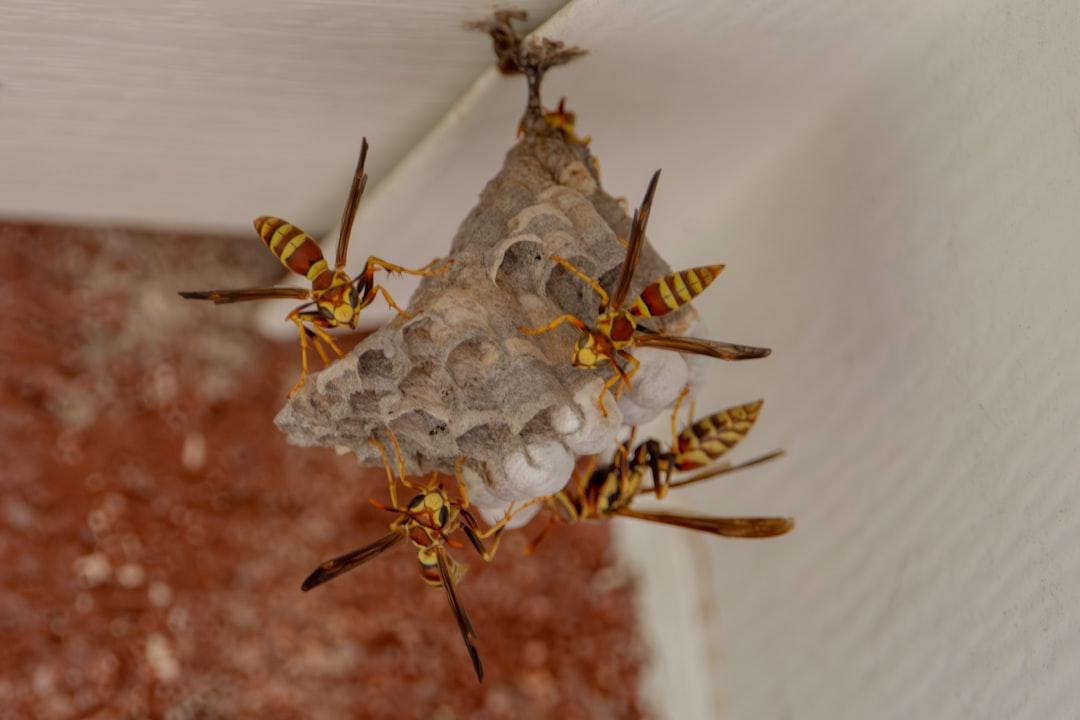
Yellow jackets are aggressive wasps characterized by their distinctive black and yellow striped bodies. These stinging insects differ significantly from bees in their behavior and nesting habits. They belong to the wasp family and create paper-like nests in various locations around properties.
How to identify yellow jackets vs. bees
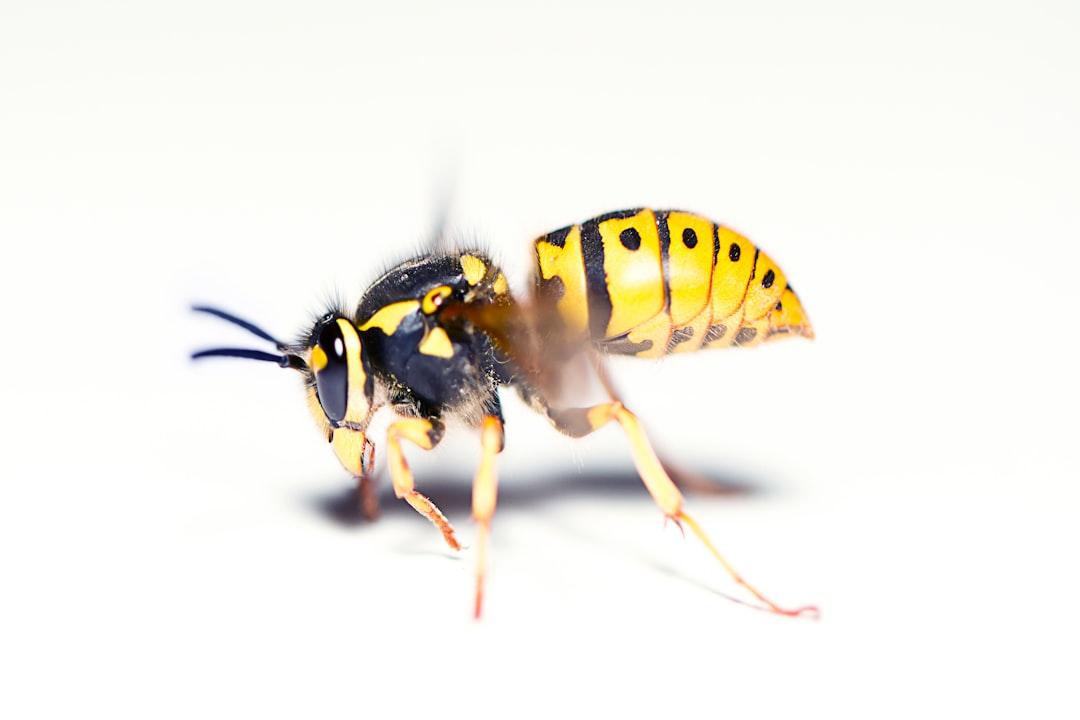
Unlike bees, yellow jackets have smooth, hairless bodies with bright yellow markings. Bees appear fuzzy and less aggressive, while yellow jackets display more vibrant coloring and territorial behavior. Their smooth bodies allow them to sting multiple times without losing their stinger.
Yellow jacket characteristics and appearance
These insects measure approximately half an inch in length with distinct black and yellow striped patterns. Their bodies appear smooth and shiny, lacking the fuzzy hair found on bees. Yellow jackets have narrow waists and long legs that dangle during flight.
Yellow jacket diet and habits
Yellow jackets consume various food sources including other insects, sugary substances, and protein-rich materials. During late summer, they become particularly attracted to garbage and outdoor food sources. Their diet changes throughout the season, shifting from protein to sugar preferences.
Where do yellow jackets live and nest?
These wasps build their nests in wall voids, underground spaces, attics, and other protected areas. Nests can develop inside building structures, creating paper-like colonies that expand throughout the summer. Some species prefer underground locations while others choose aerial nesting sites.
Yellow jacket behaviors, threats, and dangers
Yellow jackets become increasingly aggressive when defending their colony, particularly during late summer activity peaks. They can sting multiple times and may pursue perceived threats over considerable distances. Their stings cause painful reactions and can trigger serious allergic responses in sensitive individuals.
Signs of a Yellow Jacket Infestation
Recognizing early signs of yellow jacket activity helps prevent larger infestations from developing. Common indicators include increased wasp activity near specific areas of the property, particularly around garbage or food sources. Multiple yellow jackets flying in and out of holes or cracks in walls, ground areas, or building structures suggest active nests nearby.
Unusual buzzing sounds from wall voids or ceiling spaces may indicate colonies developing inside structures. Professional inspection can help locate hidden nests and assess the extent of any infestation.