Loading...

American cockroaches are larger and often come from damp zones like drains, basements, utility rooms, and building service areas. An exterminator visits your property to inspect entry points and nesti...
American cockroaches are larger and often come from damp zones like drains, basements, utility rooms, and building service areas. An exterminator visits your property to inspect entry points and nesting spots, then applies a targeted treatment adapted to the situation.
7.0K reviews
December 2025
Excellent and very professional service
December 2025
Very good service
December 2025
Very professional service.
December 2025
Friendly and efficient

American cockroaches periplaneta americana are among the largest cockroach species commonly found in urban environments worldwide. These insects originated in africa but have spread globally through human activity and commerce. Despite their name, these roaches are not native to the united states but have become well-established throughout North America and other regions.
The species thrives in warm, moist conditions and demonstrates remarkable adaptability to various environments. Adult american cockroaches can live for several months under favorable conditions, making them persistent pests once established in a location.
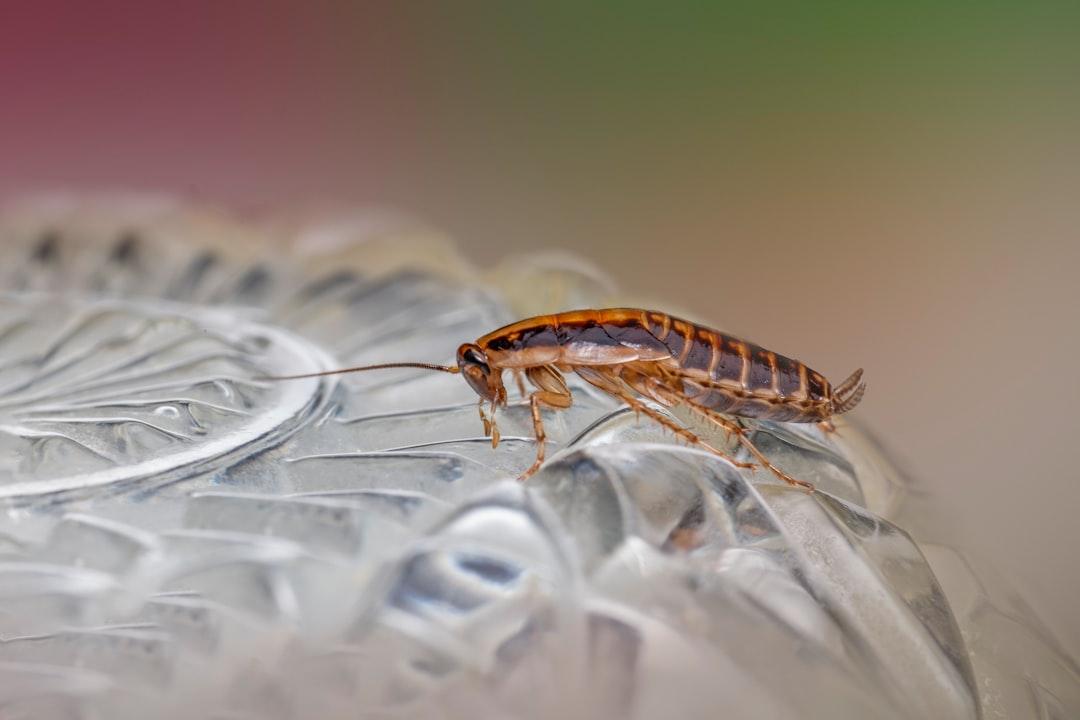
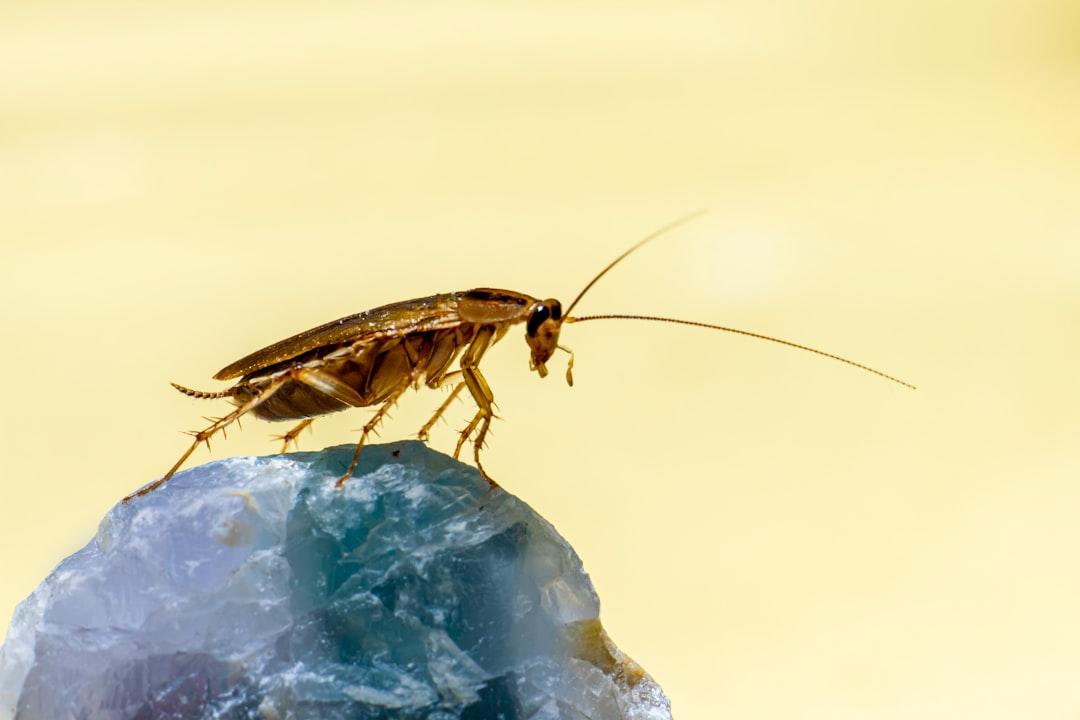
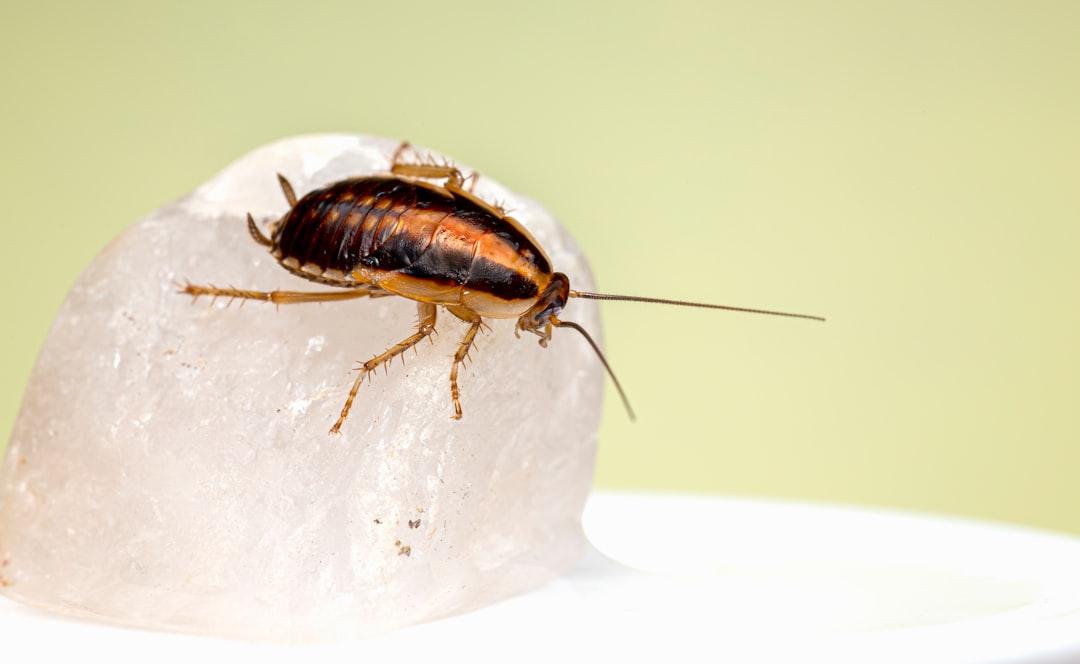
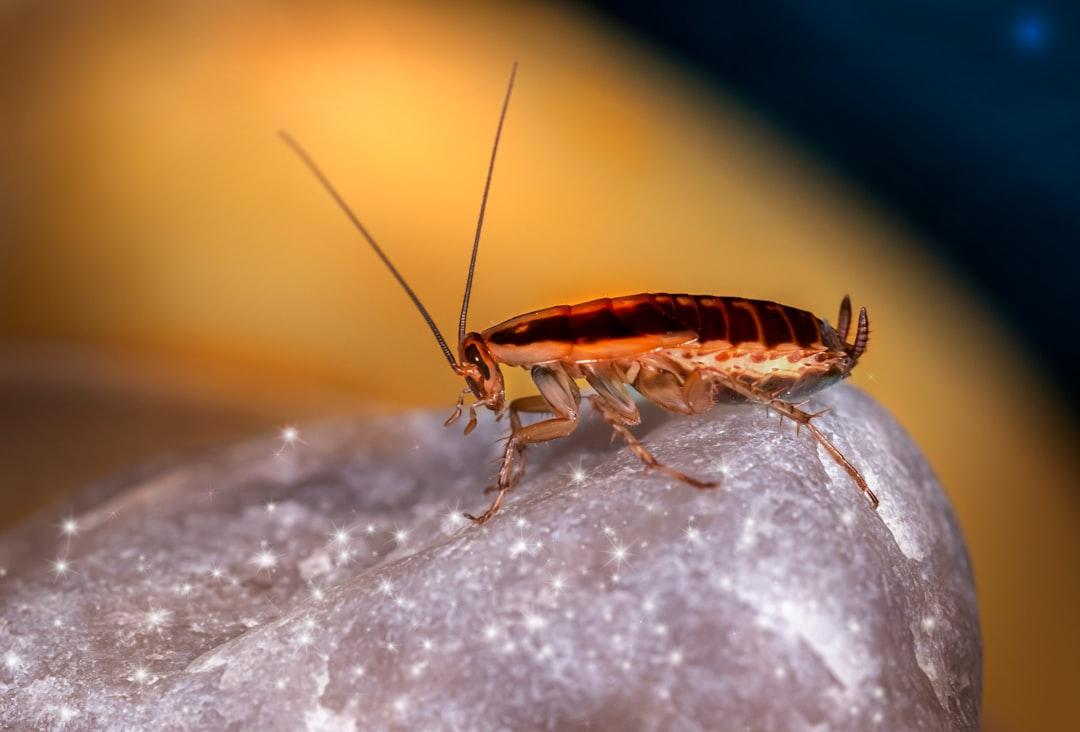
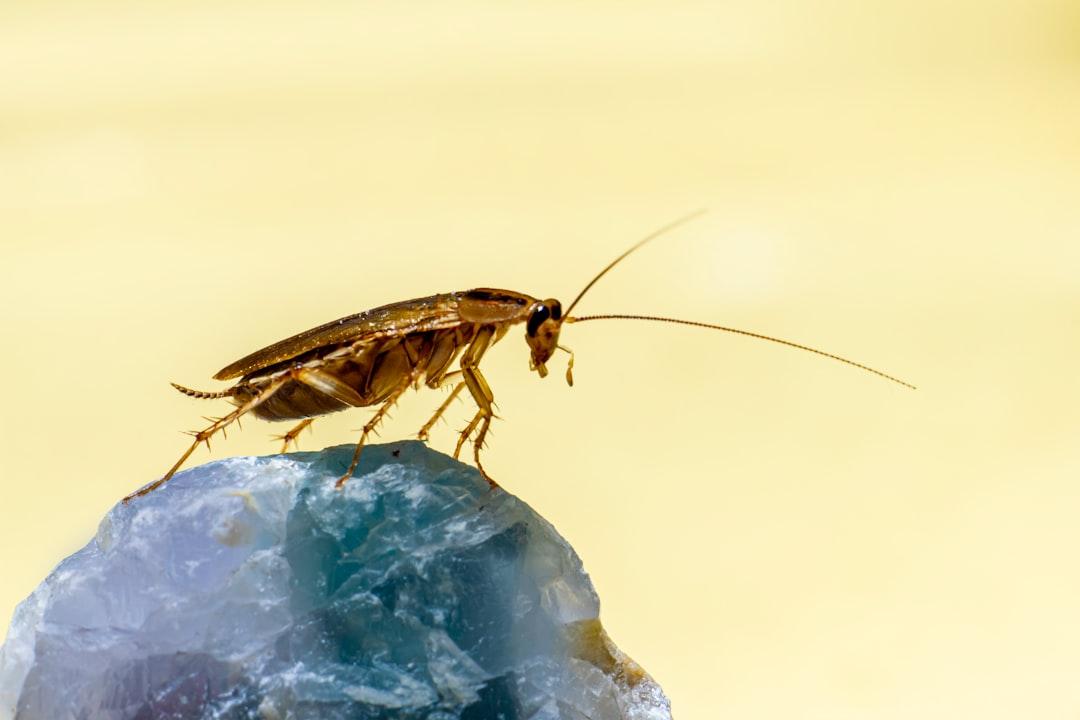
Adult american cockroaches measure approximately 1.5 to 2 inches in length, making them easily distinguishable from smaller cockroach species. Their brown coloration ranges from reddish-brown to mahogany, with distinctive yellowish markings behind the head region. These insects possess fully developed wings and can fly short distances, particularly when disturbed or seeking new locations.
The body structure includes long antennae and spiny legs that enable rapid movement across surfaces. Their oval-shaped body and flattened appearance allow them to squeeze through surprisingly small cracks and crevices in structures.
These roaches pose significant health risks to human occupants through contamination of food surfaces and air quality degradation. They carry various pathogens and allergens that can trigger asthma and other respiratory conditions, particularly in sensitive individuals. The insects shed skin particles and leave droppings throughout infested areas, contributing to poor indoor air quality.
Regular contact with contaminated surfaces increases the risk of bacterial infections and allergic reactions among building occupants. Professional assessment becomes essential when health concerns arise due to cockroach presence.
American cockroaches can cause substantial property damage through their feeding habits and waste production. These pests eat a wide variety of materials including paper, fabric, and organic matter, often damaging stored items and structural components. Their preference for starchy materials leads them to consume book bindings, wallpaper paste, and other household materials.
The insects also contaminate stored food items and packaging, resulting in significant economic losses for property owners. Their presence can damage reputation and property values, particularly in commercial establishments.
Several factors make residential properties attractive to american cockroaches, including accessible food sources and adequate moisture levels. Poor sanitation practices, such as leaving food debris or spills uncleaned, create ideal conditions for infestation establishment. Leaky pipes, condensation, and standing water provide necessary moisture for survival and reproduction.
Cluttered storage areas and cardboard boxes offer shelter and breeding sites for these pests. Entry points such as gaps under doors, utility openings, and damaged seals allow insects to enter structures from external sources.
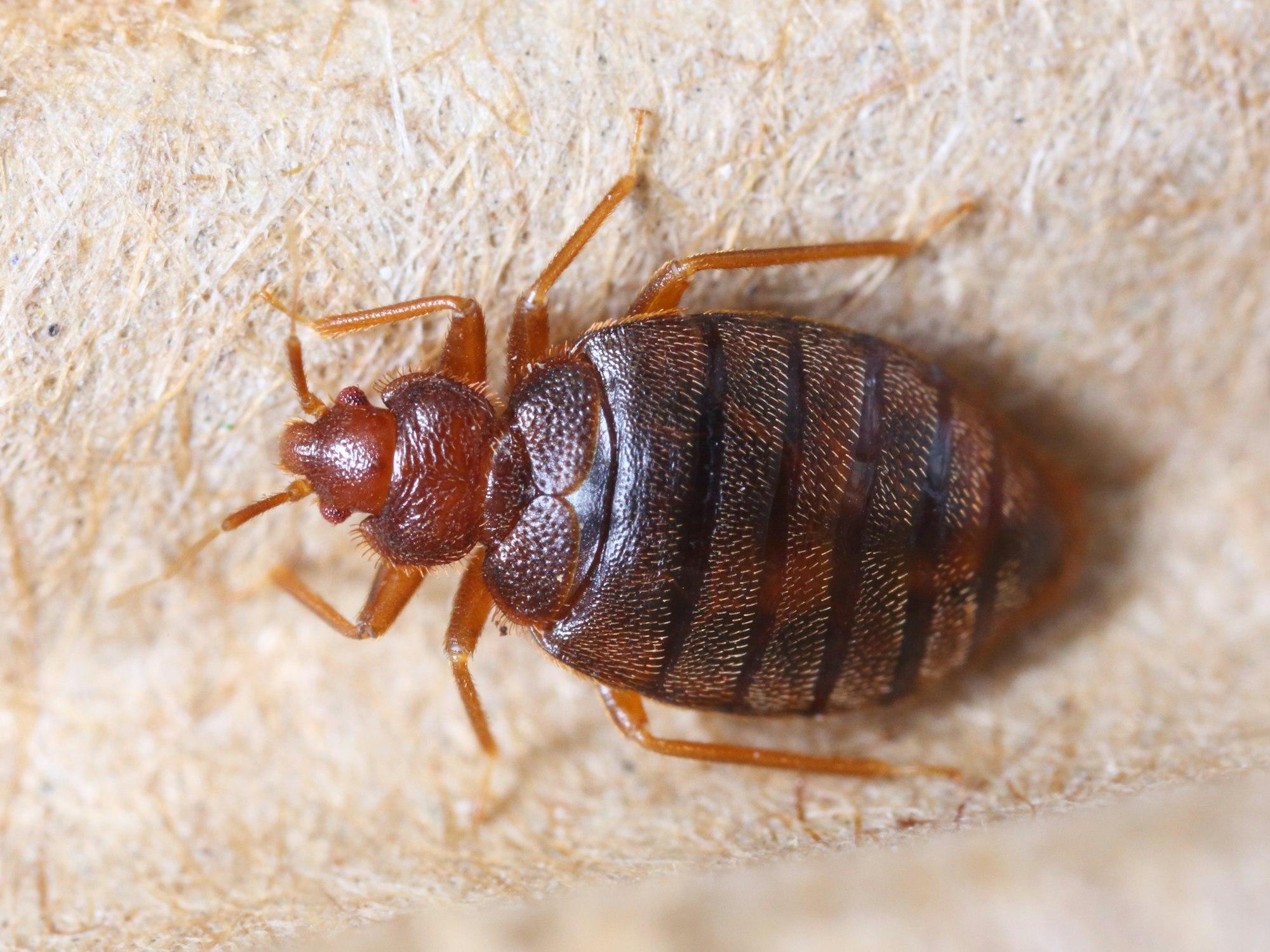
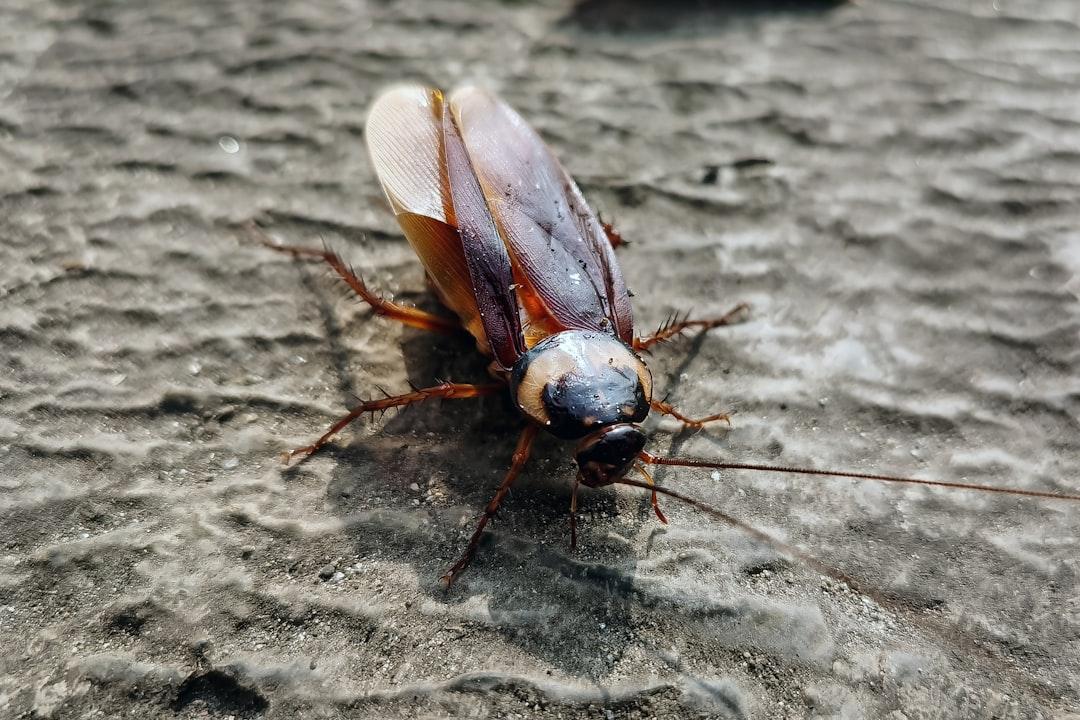
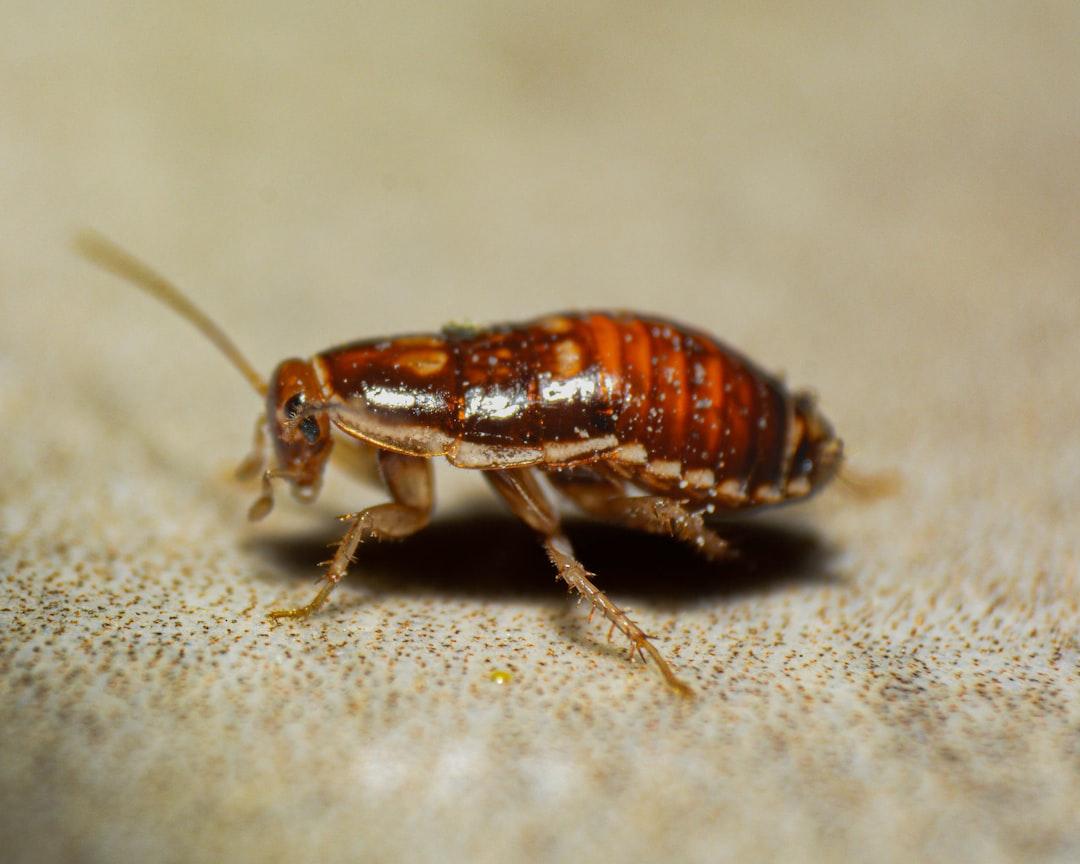
Direct observation of adult cockroaches represents the most obvious indicator of an active infestation. These large insects may be spotted during daylight hours if population levels become significant, though they typically remain hidden during light periods. Sightings in kitchens, bathrooms, or utility areas suggest established breeding populations nearby.
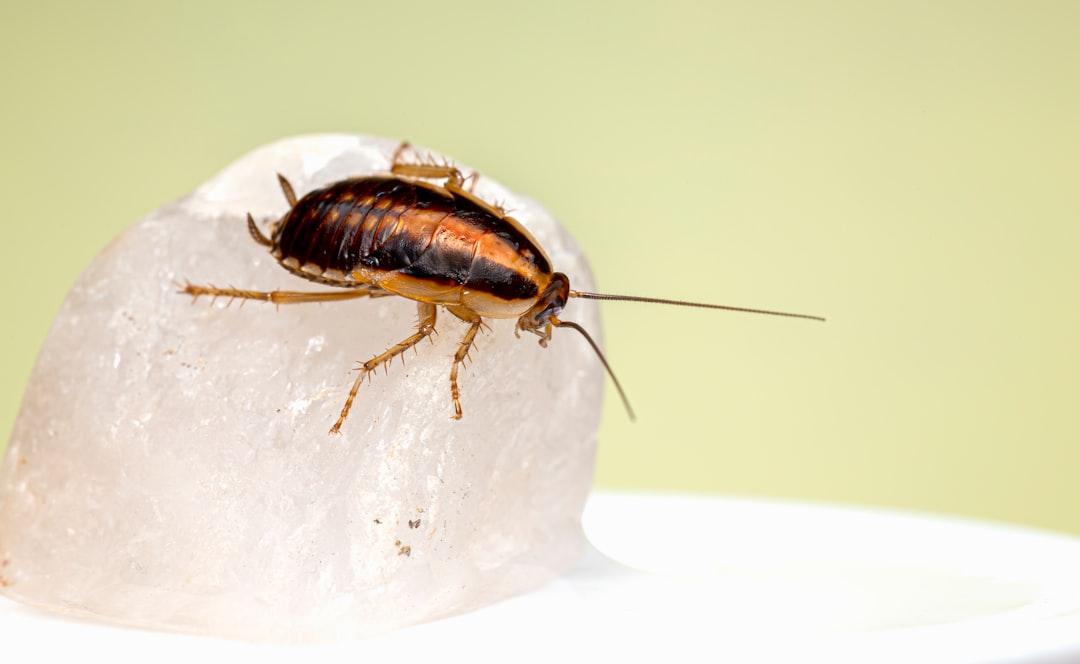
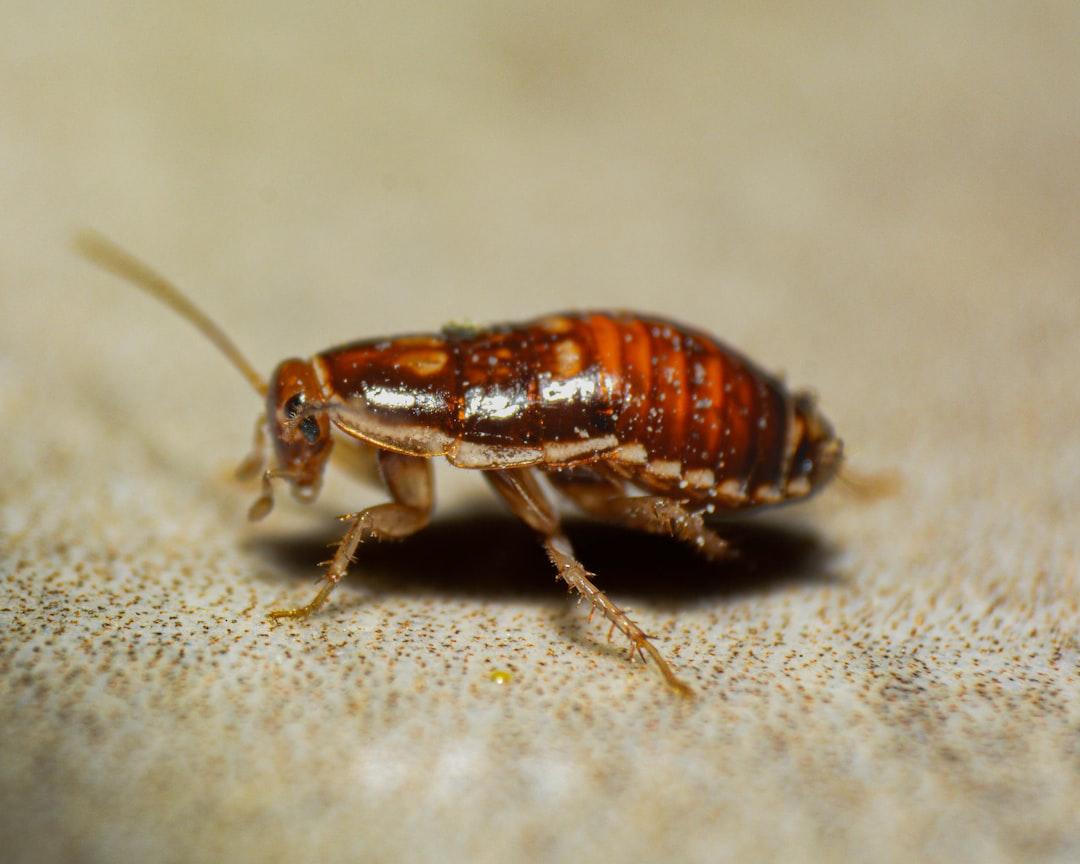
The presence of smaller nymphs indicates active reproduction within the structure. Multiple sightings over consecutive days signal the need for immediate intervention and professional assessment.
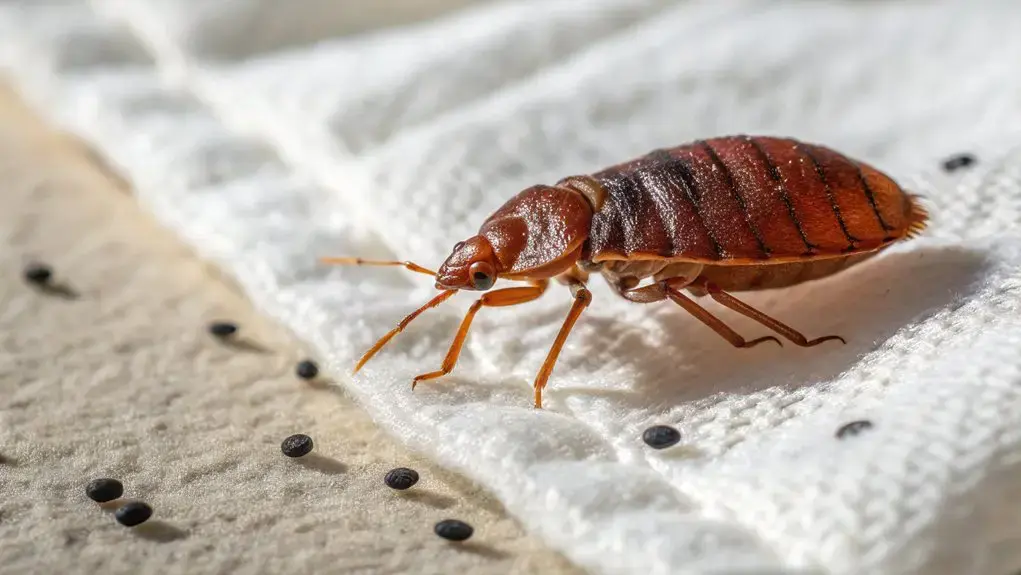
American cockroach droppings appear as small, cylindrical pellets scattered throughout infested areas. These waste materials accumulate in corners, behind appliances, and along travel routes used by the insects. The quantity and distribution of droppings provide insights into population size and preferred habitat locations within structures.
Fresh droppings indicate current activity and help identify treatment priorities during control efforts. Professional technicians can analyze dropping patterns to develop targeted treatment strategies.
Egg cases appear as brown, purse-shaped capsules approximately 8-10 millimeters in length. These protective structures are often found in secluded locations such as behind furniture, in storage areas, or near heat sources. Each case contains multiple developing eggs that will eventually produce nymphs if conditions remain favorable.
Discovery of multiple egg cases indicates established breeding activity and suggests the need for comprehensive treatment approaches. Empty cases signal previous reproductive activity and potential ongoing infestations.
Established american cockroach populations produce distinctive musty odors that become noticeable in heavily infested areas. These odors result from aggregation pheromones and waste accumulation in hiding places. The intensity of odors typically correlates with population density and duration of infestation.
Persistent odors in specific areas can guide treatment efforts and help identify primary harborage locations. Professional inspection becomes necessary when odors persist despite cleaning efforts.
American cockroaches cause characteristic damage to food packaging through their feeding behavior. Chewed edges on cardboard boxes, plastic containers, and paper packaging indicate cockroach activity in storage areas. These pests often leave behind visible evidence of their presence through feeding marks and contamination.
Contaminated food items require disposal to prevent health risks and eliminate attractant sources. Regular inspection of storage areas helps identify infestations in their early stages.
Effective prevention strategies form the foundation of successful cockroach management programs. These approaches focus on eliminating conditions that attract and support cockroach populations within structures. Preventive measures require less investment than treatment interventions and provide long-term protection against future infestations.
Proper sanitation practices eliminate food sources that sustain cockroach populations in residential and commercial environments. This includes immediate cleanup of spills, proper storage of food items in sealed containers, and regular removal of garbage and organic waste. Kitchen areas require particular attention due to their abundance of potential food sources.
Restaurant and commercial facilities must implement comprehensive clean protocols that address all potential feeding sources. Regular inspection and maintenance of sanitation standards help prevent infestation establishment and support ongoing control efforts.
Moisture elimination represents a critical component of american cockroach prevention programs. These insects require adequate water sources for survival and reproduction, making moisture control an effective deterrent strategy. Repair of leaky pipes, elimination of standing water, and improvement of ventilation reduce habitat suitability.
Dehumidification in basements and crawl spaces creates less favorable conditions for cockroach establishment. Regular monitoring of moisture levels helps maintain preventive conditions throughout structures.
Structural modifications that eliminate entry points prevent cockroach invasion from external sources. This involves sealing cracks and crevices around utility penetrations, doors, windows, and foundation elements. Installation of door sweeps and weatherstripping creates barriers against insect intrusion.
Regular inspection and maintenance of seals ensures continued effectiveness of exclusion measures. Professional assessment can identify overlooked entry points that require attention during prevention efforts.
Clutter reduction eliminates harborage sites that support cockroach populations within structures. Storage areas, utility rooms, and basements benefit from organization and elimination of unnecessary materials. Cardboard boxes should be replaced with plastic containers that provide less favorable hiding places.
Regular cleaning and organization of storage areas expose cockroach activity and facilitate detection of early infestations. Maintained environments support more effective treatment when intervention becomes necessary.
Treatment interventions become necessary when prevention measures fail to prevent infestation establishment. Effective approaches combine multiple techniques to address all developmental stages and habitat requirements of american cockroaches. Treatment success depends on proper identification, thorough inspection, and selection of appropriate products and methods.
Professional pest control services provide comprehensive solutions for american cockroach management through trained technicians and specialized equipment. These services include detailed inspection, identification of contributing factors, and development of customized treatment plans. Professional intervention becomes particularly valuable for severe infestations or recurring problems.
Licensed technicians possess knowledge of effective products and application techniques that maximize treatment success while ensuring occupant safety. Professional services often include follow-up visits and monitoring to ensure complete elimination of cockroach populations.
Insecticide baits and gels provide targeted treatment options that attract cockroaches to consume active ingredients. These products work by exploiting the social behavior of cockroaches, allowing contaminated individuals to transfer toxicants to other colony members. Bait formulations remain active for extended periods and continue working after initial application.
Proper bait placement in areas of high activity maximizes contact with target pests. Professional application ensures optimal placement and product selection for specific infestation conditions.
Insecticide sprays and dusts provide immediate control of cockroach populations through direct contact and residual activity. These products work well in cracks, crevices, and void spaces where cockroaches travel and hide. Dust formulations penetrate deep into harborage sites and provide long-lasting control.
Application requires proper equipment and techniques to ensure effective coverage while minimizing exposure risks. Professional application ensures appropriate product selection and safe handling procedures.
Monitoring traps provide valuable information about cockroach activity levels and population trends throughout treatment programs. These devices help identify infestations in their early stages and guide treatment decisions. Sticky traps capture cockroaches and provide evidence of species present and activity patterns.
Regular inspection of monitoring devices helps evaluate treatment effectiveness and identify areas requiring additional attention. Professional pest management programs rely on monitoring data to optimize treatment strategies.
Integrated pest management combines multiple approaches to achieve sustainable cockroach control while minimizing reliance on chemical treatments. IPM programs emphasize prevention, monitoring, and targeted interventions based on inspection findings and population assessments. This approach considers environmental factors and occupant preferences when developing treatment strategies.
Successful IPM implementation requires ongoing cooperation between property owners and pest management professionals. Regular evaluation and adjustment of strategies ensure continued effectiveness and adaptation to changing conditions.
DIY approaches may prove suitable for minor cockroach problems detected in their earliest stages. Simple prevention measures such as improved sanitation, moisture control, and exclusion can address conditions that support small populations. Retail products including baits and traps provide options for home treatment of limited infestations.
Success with DIY methods requires proper identification of the problem and consistent application of treatment measures. However, incomplete treatment often results in recurring problems and may allow populations to increase over time.
Professional intervention becomes necessary when DIY approaches fail to achieve complete control or when infestations involve multiple locations within structures. Trained technicians possess specialized knowledge of cockroach biology and behavior that enables development of effective treatment strategies. Professional services provide access to specialized products and equipment not available to consumers.
Complex infestations often require comprehensive approaches that address multiple contributing factors simultaneously. Professional assessment identifies underlying conditions that support cockroach populations and develops solutions that prevent future problems.
Seasonal variations affect american cockroach activity patterns and treatment approaches throughout the year. These insects remain active indoors during winter months due to heated environments, while outdoor populations may seek shelter in structures during cooler temperatures. Warm weather increases reproduction rates and activity levels, making spring and summer critical periods for prevention and control efforts.
Treatment timing should consider seasonal movement patterns and breeding cycles to maximize effectiveness. Professional services can adjust treatment schedules and methods to account for seasonal factors that influence cockroach behavior and population dynamics.

Long-term prevention requires ongoing attention to environmental conditions and maintenance practices that discourage cockroach establishment. Regular inspection of potential harborage sites and entry points helps identify problems before they become severe. Maintained sanitation standards and moisture control create unfavorable conditions for cockroach survival and reproduction.
Professional monitoring programs provide ongoing assessment of prevention effectiveness and early detection of new activity. Property owners benefit from educational resources that help them recognize conditions that may attract cockroaches and understand when professional assistance becomes necessary. Effective prevention programs adapt to changing conditions and incorporate lessons learned from previous treatment experiences.