Loading...

German cockroaches spread fast and usually hide in warm, tight areas like kitchens, cabinets, appliances, and bathroom voids. A professional treatment focuses on hotspots and nesting zones, often usin...
German cockroaches spread fast and usually hide in warm, tight areas like kitchens, cabinets, appliances, and bathroom voids. A professional treatment focuses on hotspots and nesting zones, often using gel bait and targeted application rather than broad spraying. The goal is to reduce activity quick
7.0K reviews
December 2025
Excellent and very professional service
December 2025
Very good service
December 2025
Very professional service.
December 2025
Friendly and efficient

German cockroaches are among the most common cockroach species found in indoor environments worldwide. These pests prefer warm, humid conditions and are particularly attracted to areas where food and water sources are readily available. Their ability to hide in small spaces and reproduce quickly makes them exceptionally difficult to eliminate without proper pest management strategies.
The german cockroach life cycle consists of three distinct stages: egg, nymph, and adult. Adult females carry egg cases containing 30-40 eggs, which hatch in approximately 28 days under optimal conditions. The entire development from egg to adult takes about 100 days, allowing for multiple generations per year.
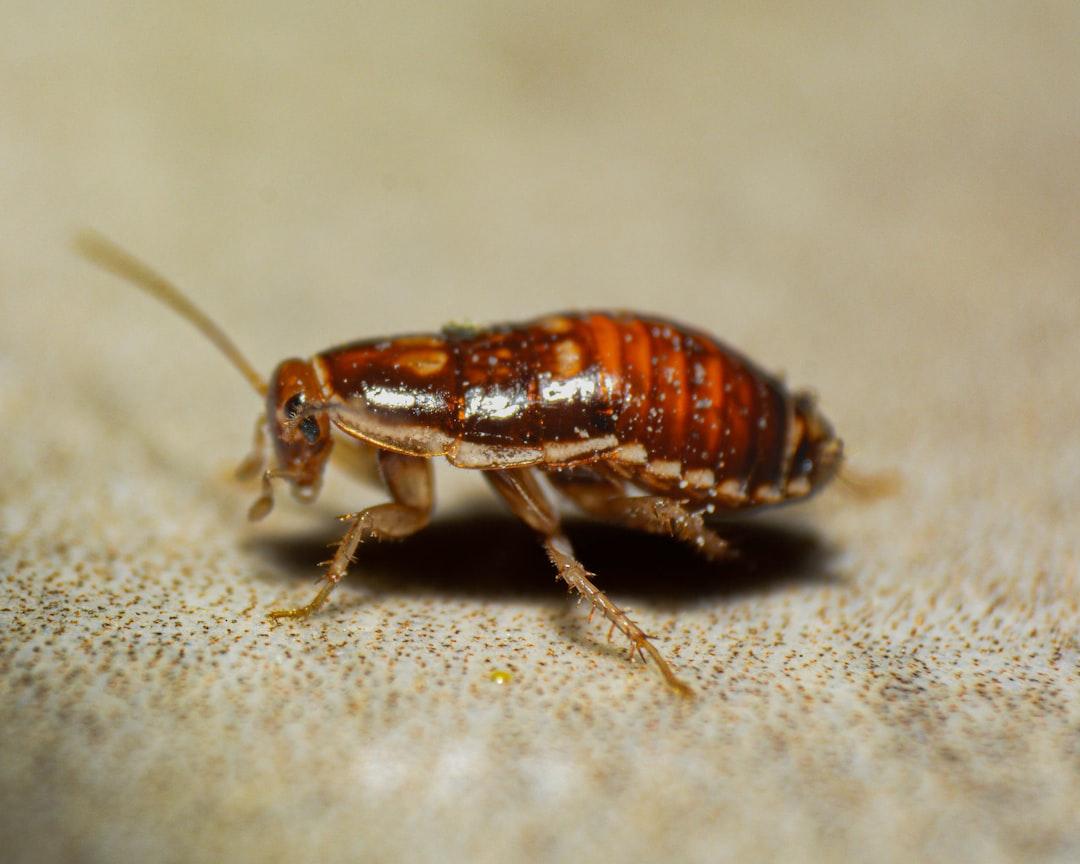
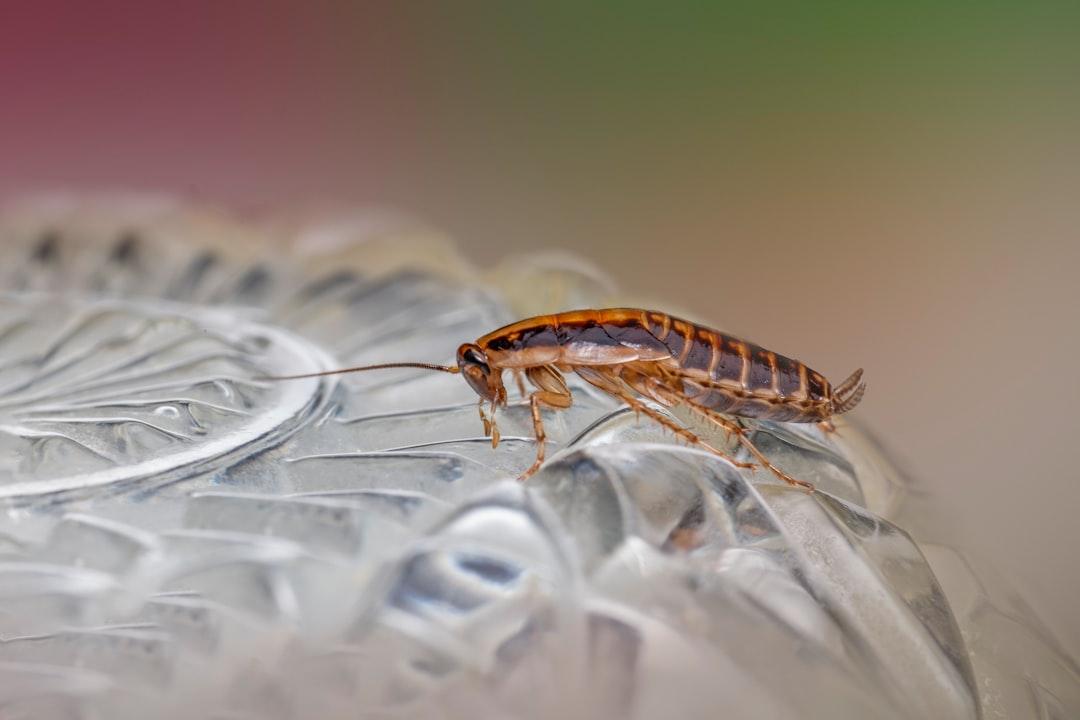
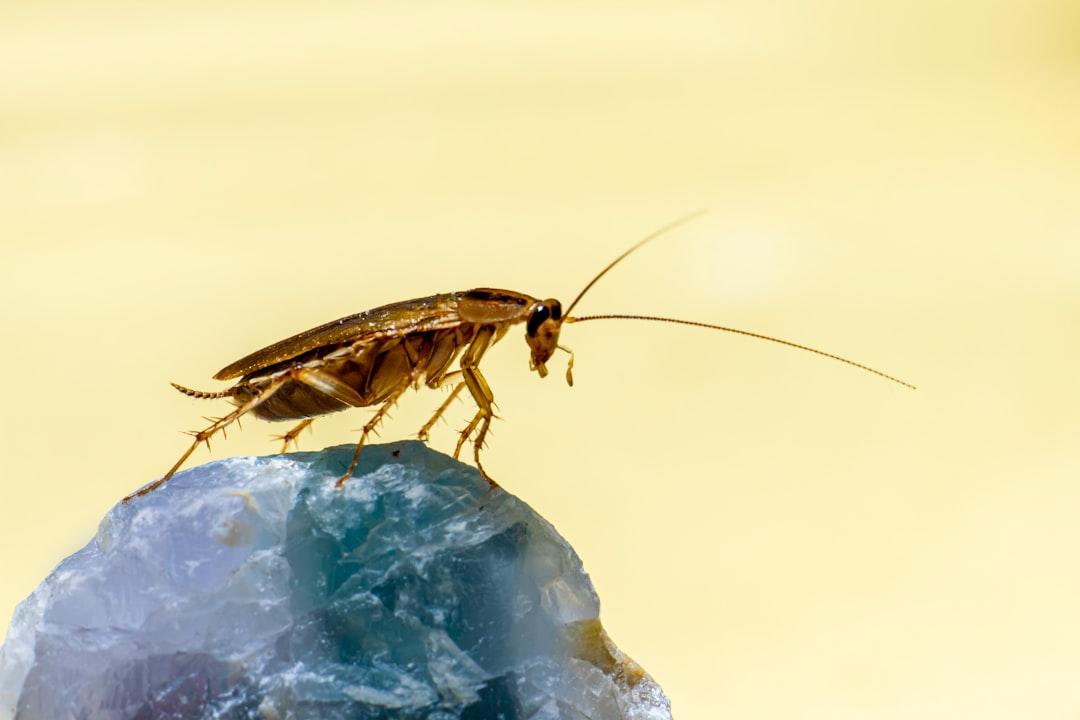
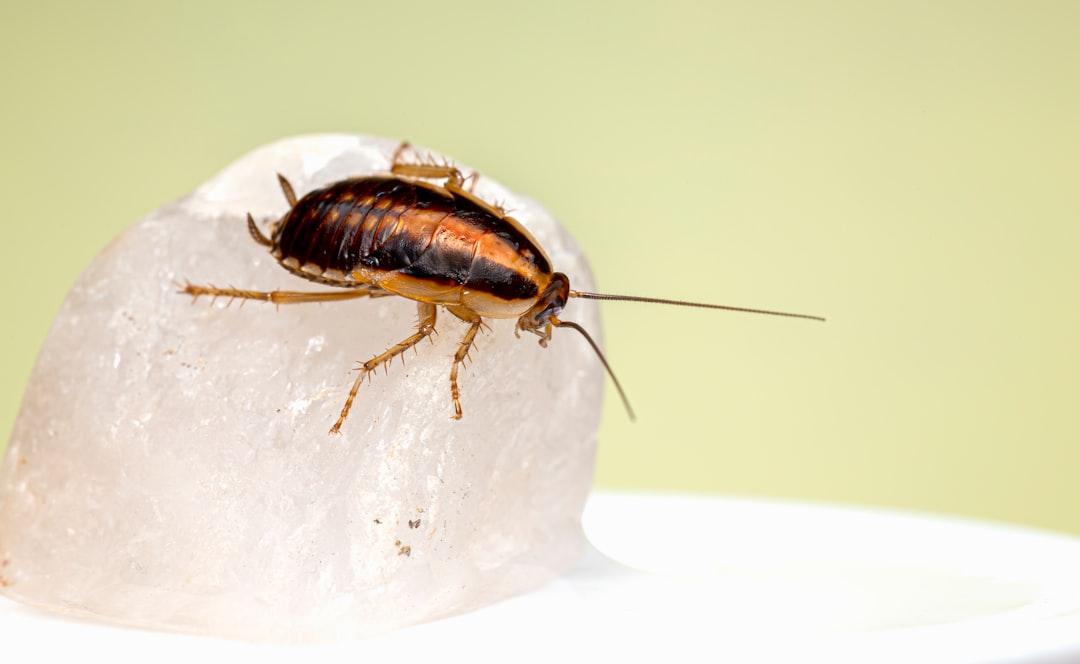
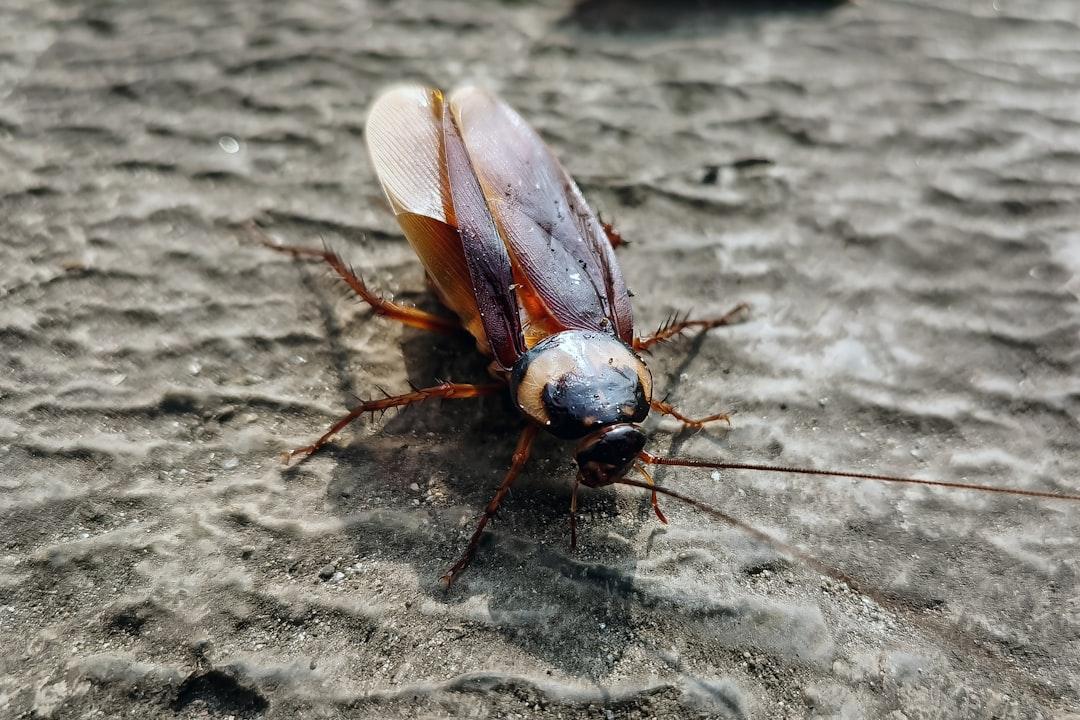
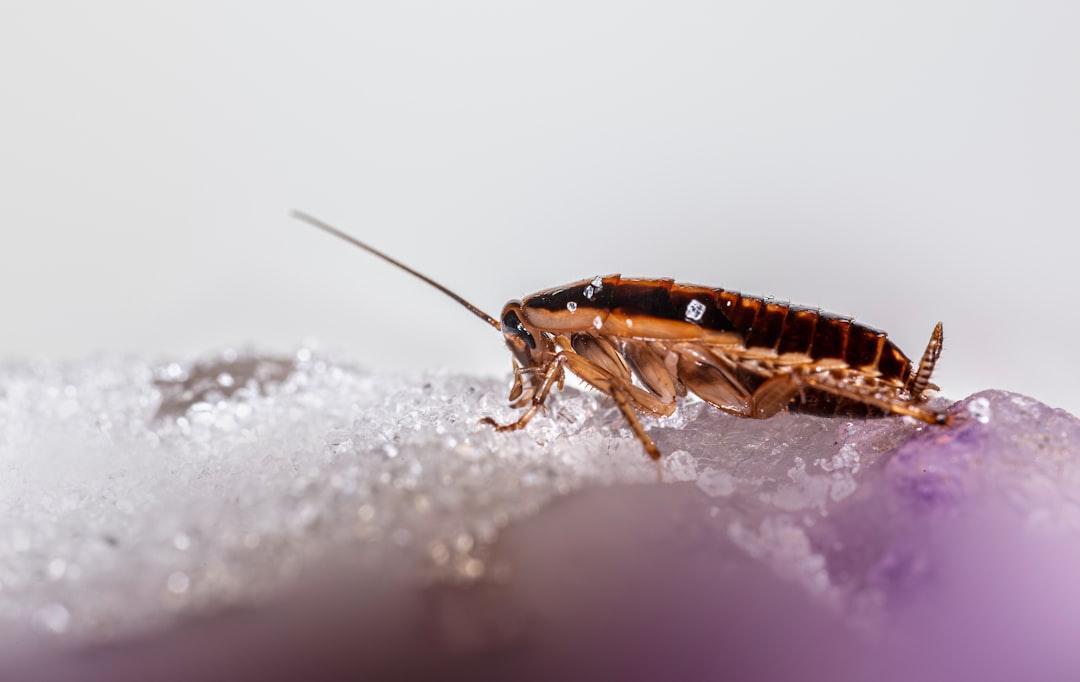
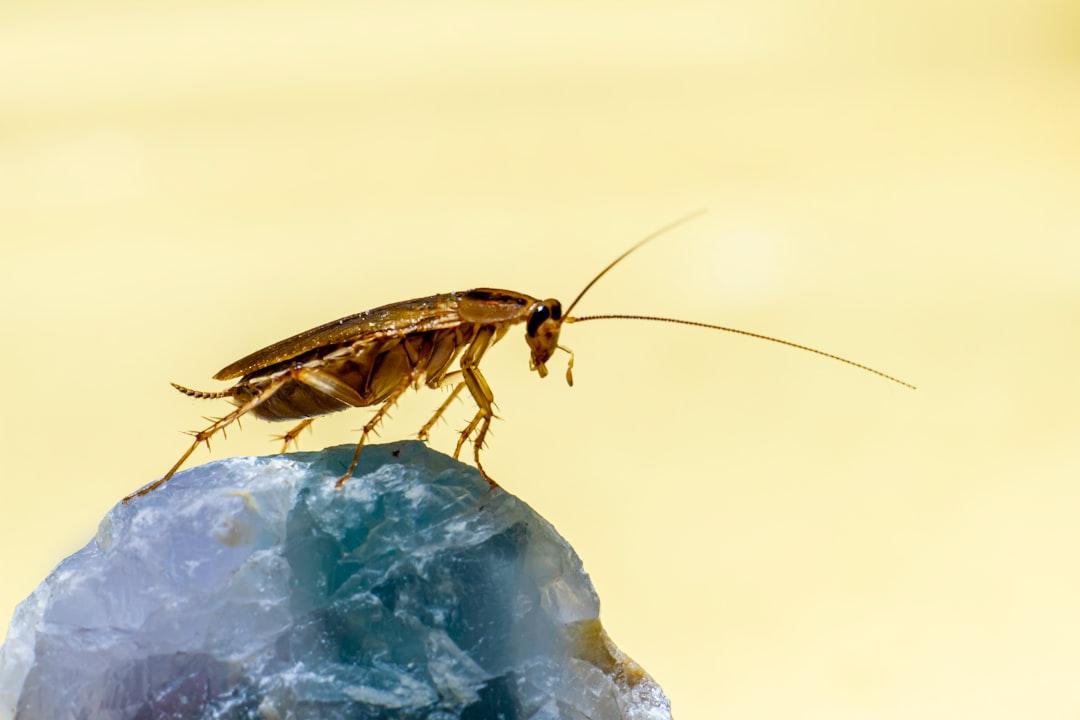
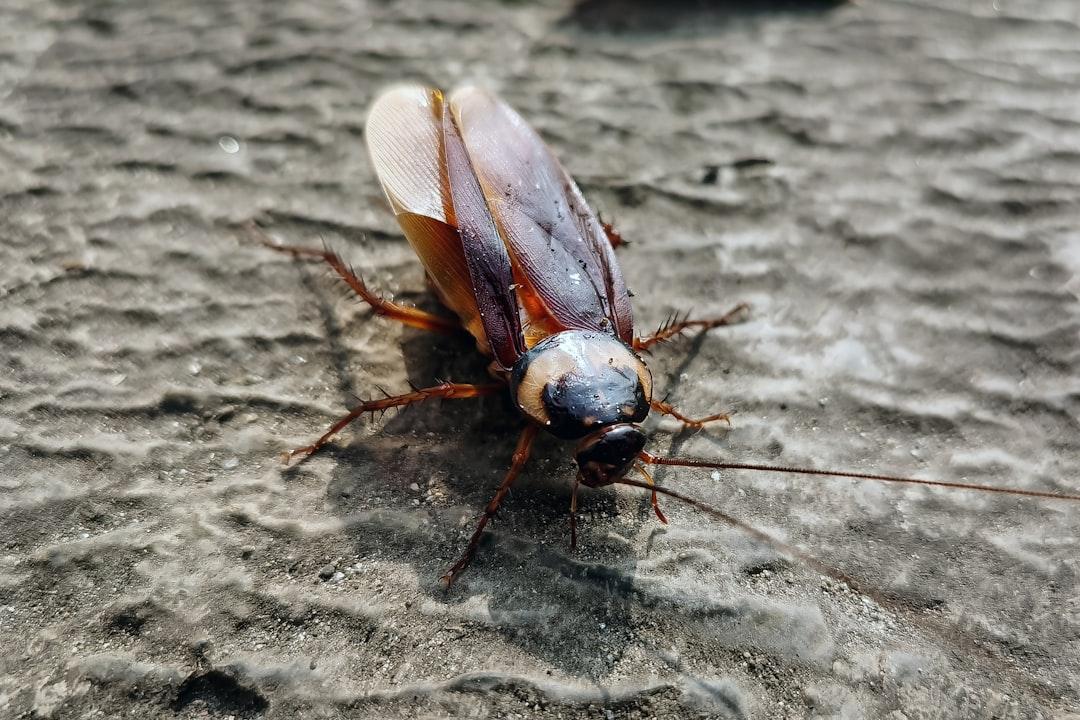
German cockroaches measure approximately 12-15mm in length and display a light brown coloration with two dark stripes running along their pronotum. Unlike other cockroach species such as american cockroaches, german varieties are smaller and prefer indoor environments. Their ability to climb smooth surfaces and squeeze through cracks makes them particularly problematic in residential and commercial settings.
Common indicators of an infestation include the presence of dead cockroaches, dark spots or stains on surfaces, and a distinctive musty odor. Residents may also find egg cases in dark, secluded areas near food sources. These insects are primarily nocturnal, making visual confirmation challenging during day hours.
These pests typically hide in cracks and crevices near warm areas such as kitchen appliances, water heaters, and plumbing fixtures. Bathrooms, kitchens, and pantries provide ideal breeding conditions due to the combination of moisture, warmth, and food availability. They particularly favor spaces behind refrigerators, under sinks, and inside electrical appliances.
German cockroach infestations pose significant health risks and can cause substantial property damage if left untreated. These insects carry various pathogens and can contaminate food preparation areas, making professional treatment essential for maintaining safe living and working environments.
German cockroaches carry numerous bacteria, viruses, and parasites that can cause diseases in humans and pets. They are known to spread salmonella, E. coli, and other foodborne pathogens through their droppings and body secretions. Additionally, cockroach allergens can trigger asthma attacks and allergic reactions, particularly in sensitive individuals.
These insects contaminate surfaces by walking across them after contact with sewers, garbage, and other unsanitary areas. They regurgitate digestive fluids and defecate while feeding, spreading bacteria throughout kitchen areas and food storage locations. Their shed skins and egg cases also contribute to the overall contamination of indoor environments.

Successful cockroach control requires a comprehensive approach combining multiple treatment methods and prevention strategies. Different solutions work better in various environments, making it important to select appropriate treatments based on the severity of the infestation and the specific conditions present.
Professional pest control services become necessary when infestations are widespread or when DIY methods have proven ineffective. Experts have access to specialized equipment and professional-grade treatments that provide more thorough results than consumer products. They can also identify the source of infestations and implement targeted solutions for long-term management.
Several DIY methods can help control small infestations when applied correctly and consistently. These approaches often require multiple applications and ongoing monitoring to achieve desired results. Success depends on proper identification of problem areas and consistent application of chosen methods.
| Control Method | Application Areas | Effectiveness Timeline |
|---|---|---|
| Gel Baits | Cracks, crevices, behind appliances | 1-2 weeks |
| Insecticide Sprays | Direct contact, surface treatment | Immediate contact kill |
| Boric Acid | Dry areas, behind furniture | 2-4 weeks |
| Sticky Traps | Monitoring, low-level infestations | Ongoing capture |
Gel baits contain attractants and slow-acting insecticides that allow cockroaches to return to their hiding places before dying. This enables the bait to spread through the colony as insects feed on contaminated carcasses. Strategic placement near water sources, behind appliances, and in dark corners maximizes effectiveness.
Residual insecticides can provide longer-lasting protection when applied to cockroach hiding places and travel routes. Dust formulations work particularly well in wall voids and electrical outlets where gel baits might not be practical. These products require careful application to avoid contaminating food preparation areas.
Sticky traps serve multiple purposes in cockroach control programs, helping to monitor population levels and capture individual insects. These devices work best when placed along walls and near suspected hiding places. Regular inspection of traps provides valuable information about infestation severity and treatment effectiveness.
IGRs disrupt cockroach reproduction by preventing nymphs from developing into reproductive adults. These products work slowly but provide excellent long-term control when combined with other methods. They are particularly useful in situations where complete elimination is challenging due to ongoing re-infestation from neighboring properties.
Several eco-friendly alternatives can help manage cockroach populations without relying on synthetic pesticides. These methods may take longer to achieve results but can be safer for homes with pets and small children. Combining multiple natural approaches often produces better outcomes than relying on single methods.
Boric acid acts as a stomach poison when ingested by cockroaches, causing death within several days of consumption. This natural mineral can be mixed with attractants or applied as a dust in areas where cockroaches travel. Care must be taken to keep boric acid away from pets and children, as it can cause irritation if ingested in large quantities.
Certain essential oils, including peppermint, tea tree, and eucalyptus, can deter cockroaches when applied to potential entry points. These natural repellents require frequent reapplication and work best as part of a comprehensive prevention strategy. Diatomaceous earth also provides a natural option for cockroach control in dry environments.
Preventing german cockroach infestations requires ongoing attention to sanitation, building maintenance, and environmental modifications. These proactive measures are often more effective and cost-efficient than treating established infestations. Consistent implementation of prevention strategies significantly reduces the likelihood of future pest problems.
Effective sanitation eliminates the food and water sources that attract cockroaches to indoor environments. Regular cleaning and proper food storage create conditions that are unfavorable for cockroach survival and reproduction. These practices form the foundation of any successful pest prevention program.
Kitchen areas require daily cleaning to remove food residues that attract cockroaches. All food items should be stored in sealed containers, and spills should be cleaned immediately. Special attention should be paid to areas behind and under appliances where grease and food particles commonly accumulate.
Proper waste management includes using tight-fitting lids on garbage containers and removing trash regularly. Recycling materials should be cleaned before storage, and compost bins should be maintained properly to avoid attracting pests. Indoor garbage areas should be cleaned regularly to eliminate odors and food residues.
Regular building maintenance helps eliminate entry points and harborage areas that cockroaches use for shelter and breeding. These structural improvements complement sanitation efforts and create a less hospitable environment for pest establishment. Professional inspections can help identify potential problem areas before infestations develop.
Cockroaches can squeeze through surprisingly small openings, making it important to seal cracks around pipes, electrical outlets, and baseboards. Caulking gaps around windows and doors also helps prevent pest entry from outdoor areas. Weather stripping on doors and windows provides additional protection against various insects.
Water sources attract cockroaches and support their survival in indoor environments. Fixing leaky pipes, improving ventilation in humid areas, and using dehumidifiers can make spaces less attractive to these pests. Regular inspection of plumbing fixtures helps identify and address moisture problems before they contribute to pest issues.

Different types of buildings present unique challenges for cockroach control due to varying layouts, uses, and maintenance requirements. Understanding these differences helps in developing targeted approaches that address the specific needs of each environment. Professional services often adapt their methods based on the type of facility being treated.
Residential cockroach control focuses on eliminating infestations while maintaining safe conditions for families and pets. Treatment plans typically emphasize baiting and targeted applications that minimize exposure to insecticides in living areas. Coordination between neighboring units in apartment buildings is often necessary to prevent re-infestation.
Food service facilities require specialized approaches that comply with health regulations while effectively managing pest populations. Treatments must be scheduled during non-operating hours, and all applications must be safe for use in food preparation areas. Regular monitoring and documentation are essential for maintaining health department compliance.
Commercial facilities often require comprehensive pest management programs that address multiple areas and building systems. Office buildings, hotels, and retail establishments each present different challenges based on their layout, usage patterns, and maintenance schedules. Integrated approaches combining multiple control methods typically provide the most effective results.
Long-term success in cockroach management requires consistent monitoring, maintenance, and adaptation of control strategies based on changing conditions. Experts recommend establishing regular inspection schedules and maintaining detailed records of pest activity and control measures. This approach helps identify trends and adjust treatments before small problems become major infestations.