Loading...

Bed bug pest control in the UAE is an on-site service with a professional exterminator, not a product sale. The visit starts with an inspection of beds, sofas, and hiding spots, then a targeted treatm...

AED 1000

Bed bug pest control in the UAE is an on-site service with a professional exterminator, not a product sale. The visit starts with an inspection of beds, sofas, and hiding spots, then a targeted treatment based on the severity. You’ll get clear preparation steps before the appointment and aftercare g
7.0K reviews
December 2025
Excellent and very professional service
December 2025
Very good service
December 2025
Very professional service.
December 2025
Friendly and efficient

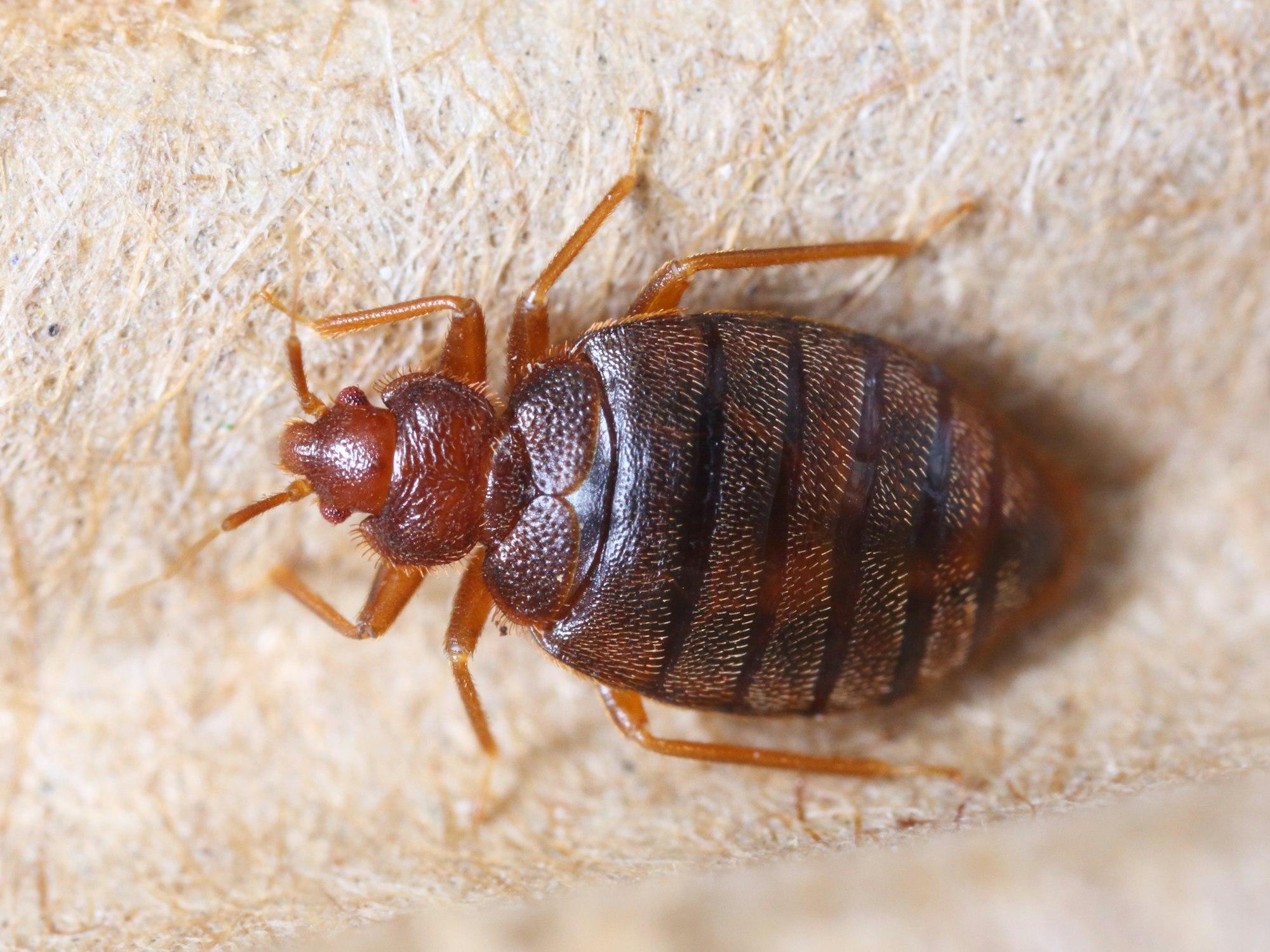
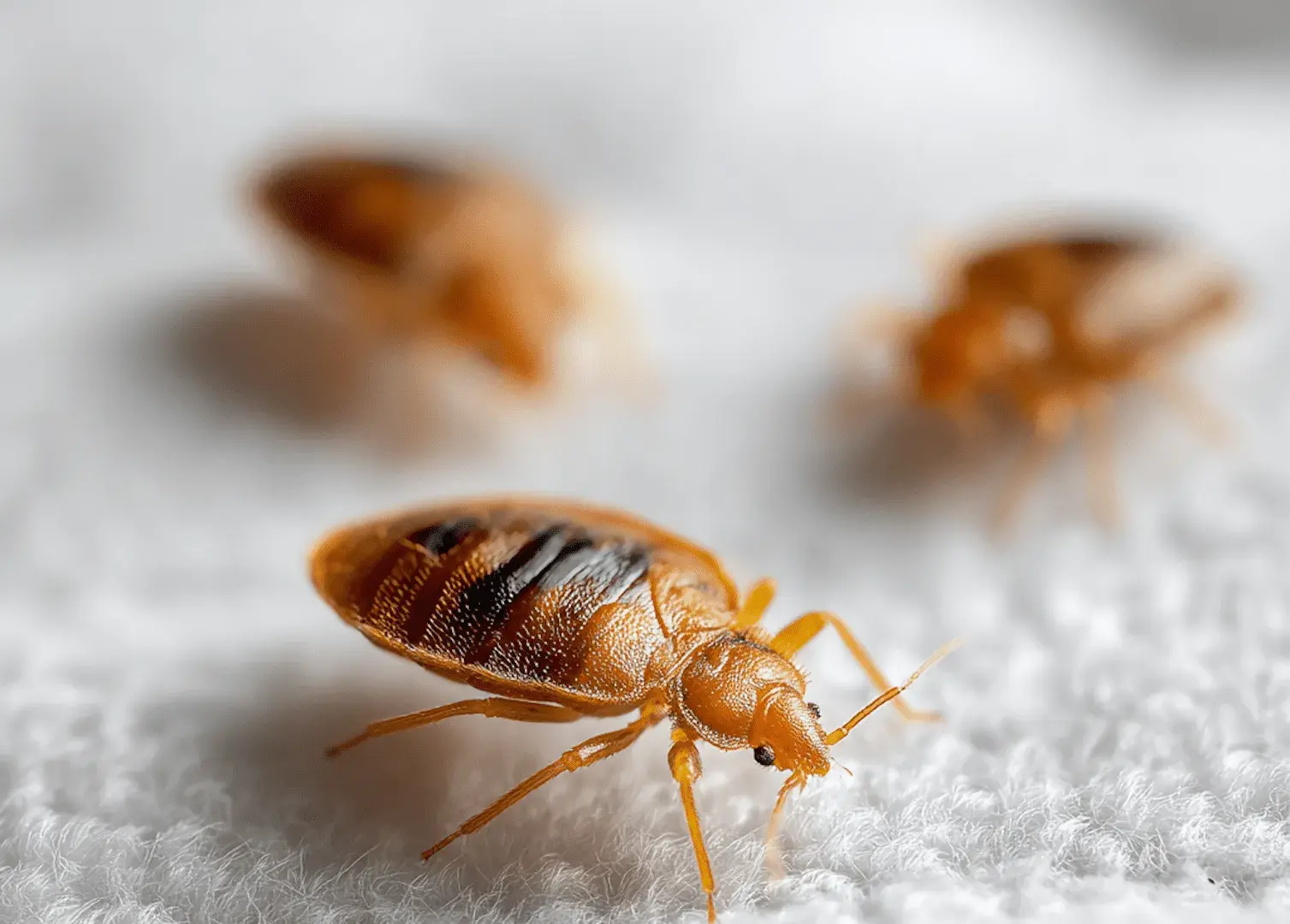
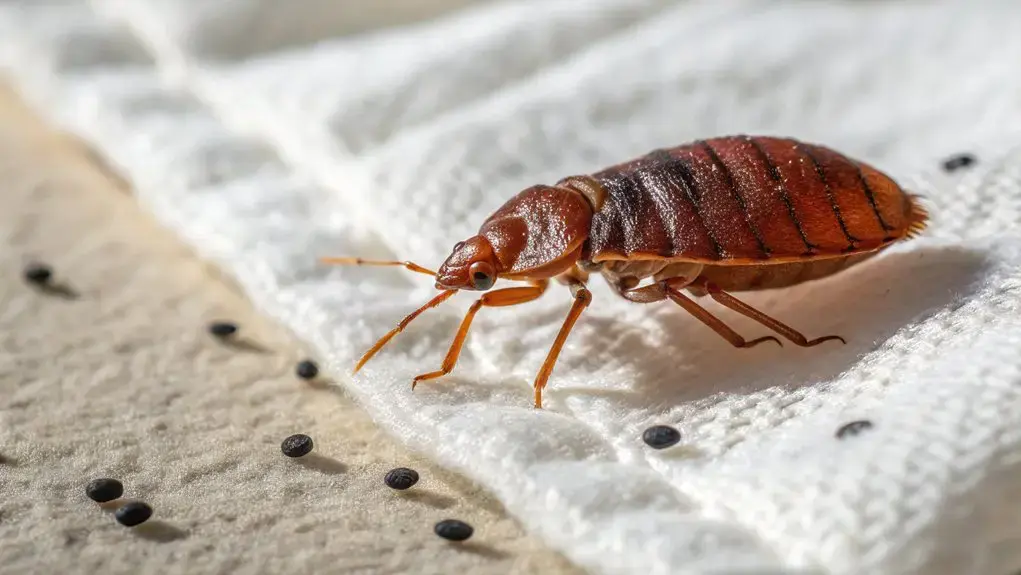
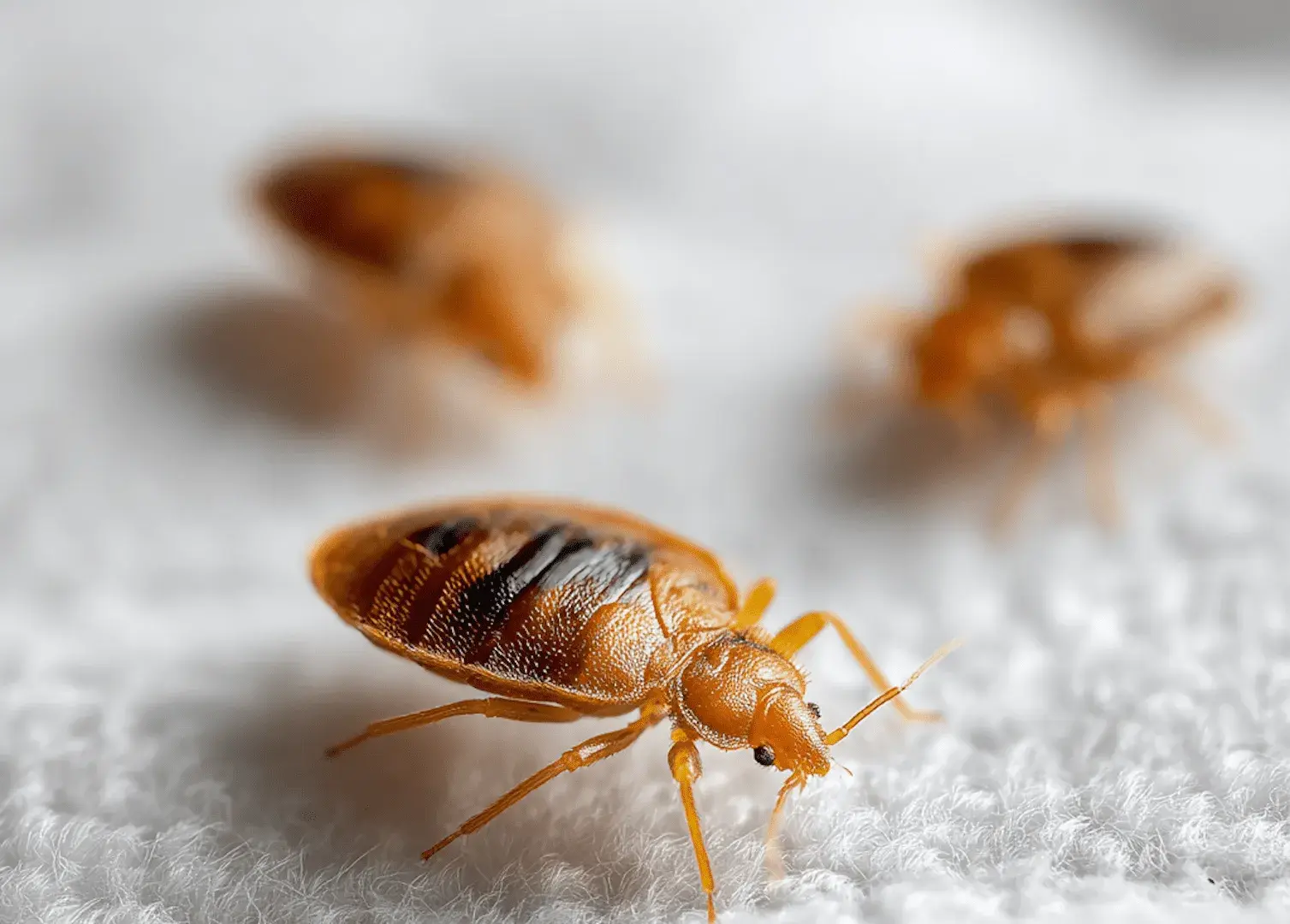
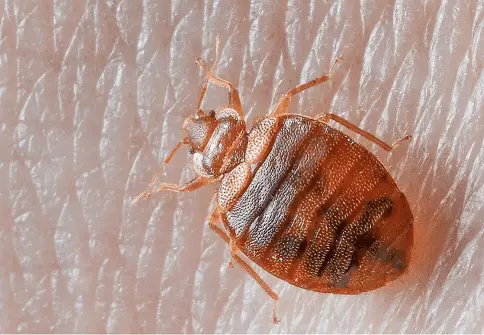
Bed bugs are small, parasitic insects that feed on human blood and are commonly found in mattress seams, furniture, and other areas where people sleep. These pests are oval-shaped, brown insects approximately the size of an apple seed when fully grown. They are nocturnal creatures that typically bite during nighttime hours when hosts are sleeping.
The insects can survive for months without feeding, making them particularly resilient pests in residential and commercial environments. Bed bug infestations often spread through luggage, clothing, and used furniture brought into properties. Understanding their behavior is crucial for effective pest management and prevention strategies.
Dubai's status as a major international travel hub contributes significantly to the spread of bed bug infestations throughout the city. Hotels, apartments, and residential areas experience increased pest activity due to the high volume of travelers and temporary residents. The warm climate provides favorable conditions for these insects to thrive year-round.
Rapid urban development and increased population density create more opportunities for pest transmission between properties. Many residential and commercial buildings share common areas where infestations can easily spread from one unit to another.
Bed bug bites can cause various skin reactions ranging from mild irritation to severe allergic responses in sensitive individuals. Common symptoms include red, itchy welts that may appear in linear patterns on exposed skin areas. Some people experience sleep disruption and anxiety related to ongoing pest problems.
While these insects are not known to transmit diseases, secondary infections can occur from excessive scratching of bite marks. The psychological impact of dealing with persistent infestations can affect overall health and quality of life for affected individuals and families.
AED 600

AED 600

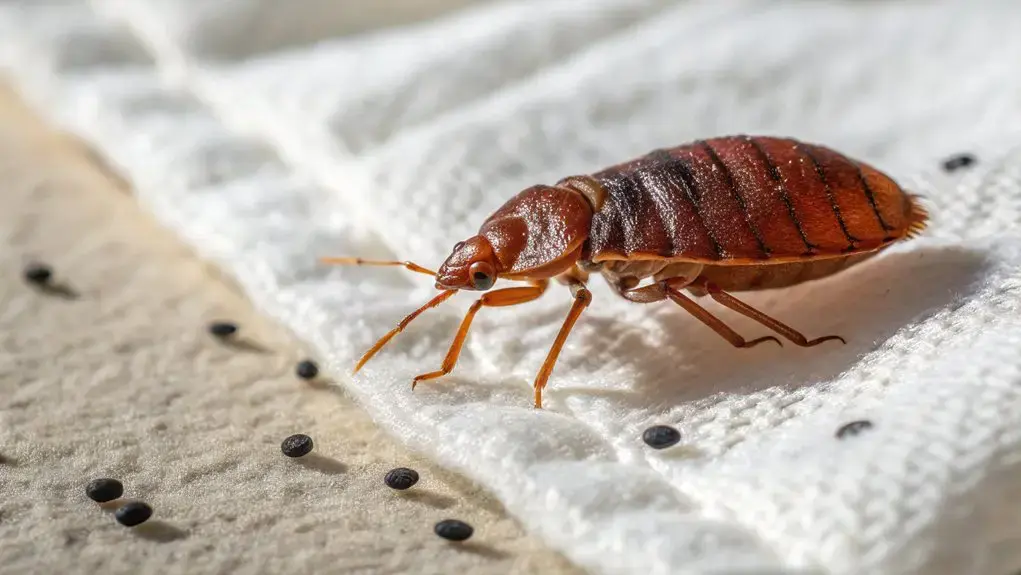
Dark or rust-colored stains on bed sheets often indicate bed bug activity, as these marks result from crushed insects or fecal spots. Small blood stains may appear on pillowcases and bedding from nighttime feeding activity. Sweet musty odors can develop in heavily infested areas due to the insects' scent glands.
Examination of mattress seams, box springs, and bed frames may reveal live bugs, shed skins, or small dark spots. Furniture near sleeping areas should also be inspected for similar signs of activity.
Bed bug bites typically appear as small, red, itchy welts that may be arranged in lines or clusters on exposed skin. The bites often occur on arms, shoulders, neck, and face areas that remain uncovered during sleep. Individual reactions vary significantly, with some people showing no visible symptoms while others develop pronounced swelling.
Bite patterns can help distinguish bed bug activity from other insect bites, though professional inspection is recommended for accurate identification. The time between bites and visible reactions can range from immediate to several days.
A distinctive sweet, musty smell often develops in rooms with significant bed bug populations. This odor results from the insects' scent glands and can become quite noticeable in heavily infested areas. The smell may be particularly strong in enclosed spaces like bedrooms and closets.
Professional pest control technicians can identify these characteristic odors during inspection visits. Early detection through smell recognition can help prevent minor problems from developing into major infestations.
Adult bed bugs are visible to the naked eye and may be found hiding in mattress seams, headboards, and nearby furniture during daylight hours. The insects move slowly when not feeding and tend to cluster in protected areas close to their food source. Eggs are small, white, and oval-shaped, often found in cracks and crevices.
Finding live insects or eggs confirms active infestation and indicates the need for immediate professional treatment. Multiple life stages may be present simultaneously, requiring comprehensive elimination approaches.
A thorough inspection forms the foundation of effective bed bug control services. Trained technicians examine all potential hiding spots including beds, furniture, carpets, and wall fixtures throughout affected areas. This comprehensive assessment determines the extent and severity of the infestation.
Professional inspection includes identification of pest species, assessment of population levels, and evaluation of factors contributing to the problem. The findings guide development of customized treatment strategies appropriate for specific situations and property types.
Each property receives a tailored approach based on inspection results, infestation severity, and environmental factors. Treatment plans consider the size of affected areas, presence of sensitive individuals, and specific challenges presented by different property types. Multiple treatment methods may be combined for optimal effectiveness.
The plan includes preparation requirements, treatment schedules, and follow-up procedures necessary for successful pest elimination. Clear communication ensures property owners understand each step of the process and their role in achieving successful outcomes.
Modern pest control techniques utilize various approaches including chemical treatments, heat applications, and steam applications to eliminate all life stages of bed bugs. Professional-grade insecticides are applied to targeted areas where insects hide and reproduce. Heat treatment raises temperatures to levels that are lethal to all pest life stages.
Steam treatment provides chemical-free elimination for sensitive areas while reaching deep into cracks and crevices where insects hide. The combination of methods ensures comprehensive coverage and maximum effectiveness against resistant populations.
Follow-up inspections verify treatment effectiveness and identify any remaining pest activity. Monitoring devices may be installed to detect new activity and prevent re-establishment of populations. Regular check-ups ensure long-term success and early detection of potential future problems.
Prevention advice helps property owners maintain pest-free environments through proper hygiene practices and early detection techniques. Ongoing support provides peace of mind and protection against future infestations.

Licensed pest control professionals use approved insecticides that are specifically formulated for bed bug elimination. These treatments target adult insects, nymphs, and eggs through residual and contact activity. Application techniques ensure proper coverage of all potential hiding places while maintaining safety standards.
Chemical solutions provide long-lasting protection and can eliminate resistant pest populations that may not respond to other methods. Professional application ensures optimal results while minimizing exposure risks to occupants and pets.
Heat treatment involves raising room temperatures to levels that are lethal to all bed bug life stages throughout the treatment area. This method penetrates deeply into furniture, walls, and other areas where insects may hide. The process typically requires several hours to achieve complete elimination.
This approach offers chemical-free pest control that is safe for sensitive environments and provides immediate results. Specialized equipment and trained technicians ensure proper temperature distribution and monitoring throughout the process.
Steam applications provide immediate kill of insects and eggs on contact while penetrating into small cracks and crevices. This method is particularly effective for treating mattresses, upholstered furniture, and other areas where chemical application may not be desirable. Steam treatment can be used as a standalone solution or in combination with other methods.
The high temperature steam eliminates all pest life stages without leaving chemical residues, making it suitable for sensitive environments and quick re-occupancy situations.
Natural pest control alternatives utilize non-toxic methods and materials that are safe for families and the environment. These solutions include diatomaceous earth applications, essential oil treatments, and physical exclusion techniques. While generally requiring more time than conventional methods, they provide effective long-term results.
Eco-friendly approaches are particularly appropriate for households with young children, pets, or individuals with chemical sensitivities. These methods can be integrated with traditional treatments for comprehensive pest management programs.
Professional pest control companies employ trained and certified technicians with extensive experience in bed bug identification and elimination. These experts understand the behavior patterns of different pest species and can implement the most effective treatment strategies for each situation. Ongoing training ensures technicians stay current with industry best practices and new treatment methods.
The team possesses specialized knowledge of local pest populations and environmental factors that affect treatment success. Years of experience in the UAE market provide valuable insights for addressing unique challenges presented by different property types and infestation levels.
Safety protocols ensure all treatments are conducted according to industry standards and regulatory requirements. Professional pest management prioritizes the health and safety of occupants while achieving effective elimination results. All products and methods used meet strict safety criteria for residential and commercial applications.
Quality assurance measures monitor treatment effectiveness and ensure customer satisfaction with service outcomes. Regular follow-up inspections verify successful elimination and provide ongoing support for maintaining pest-free environments.
Customer service excellence includes clear communication throughout the treatment process and prompt response to concerns or questions. Service quality is maintained through regular training, quality control measures, and feedback monitoring. Client relationships are built on trust, transparency, and reliable results.
Satisfaction with service outcomes is supported by thorough follow-up procedures and ongoing availability for additional assistance when needed. Professional service standards ensure consistent quality across all customer interactions and treatment applications.
Pricing information is provided clearly and includes all necessary services for effective pest elimination. Estimates are based on thorough property assessment and actual treatment requirements rather than generic pricing structures. No hidden fees or unexpected charges are added during or after treatment completion.
Service estimates include detailed explanations of recommended treatments, expected timelines, and follow-up procedures. Transparent pricing allows customers to make informed decisions and budget appropriately for necessary pest control services.
Travelers should inspect hotel rooms immediately upon arrival, checking beds, furniture, and upholstered areas for signs of pest activity. Luggage should be stored in bathrooms or hard-surfaced areas away from beds and soft furnishings during room inspection. Keep clothing and personal items in sealed plastic bags when possible.
Before leaving accommodations, examine all belongings carefully and consider washing clothes in hot water upon returning home. These prevention measures significantly reduce the risk of bringing pests back to personal residences.
Regular inspection of luggage, clothing, and personal items helps identify pest presence before infestations become established. Look for live insects, dark stains, sweet odors, or other signs of activity on fabric items and in luggage compartments. Pay special attention to seams, pockets, and fold areas where insects typically hide.
Immediate washing of potentially contaminated items in hot water can eliminate any insects that may have been picked up during travel or other activities. Thorough inspection habits form an important first line of defense against household infestations.
Regular cleaning and inspection of sleeping areas help detect problems early when they are easier to address. Reduce clutter around beds and sleeping areas to eliminate hiding places and make inspection easier. Vacuum regularly around beds, furniture, and carpeted areas where insects might establish populations.
Encasing mattresses and box springs in protective covers can prevent pest establishment and make detection easier during routine inspections. Maintaining good hygiene practices and prompt attention to potential problems supports long-term pest prevention efforts.