Loading...

Ant pest control in Dubai is an on-site service performed by an exterminator, not a product sale. The visit focuses on identifying trails, entry points, and nest zones, then applying a targeted treatm...
Ant pest control in Dubai is an on-site service performed by an exterminator, not a product sale. The visit focuses on identifying trails, entry points, and nest zones, then applying a targeted treatment suited to the ant type and location. It’s useful for recurring kitchen infestations and outdoor-
7.0K reviews
December 2025
Excellent and very professional service
December 2025
Very good service
December 2025
Very professional service.
December 2025
Friendly and efficient
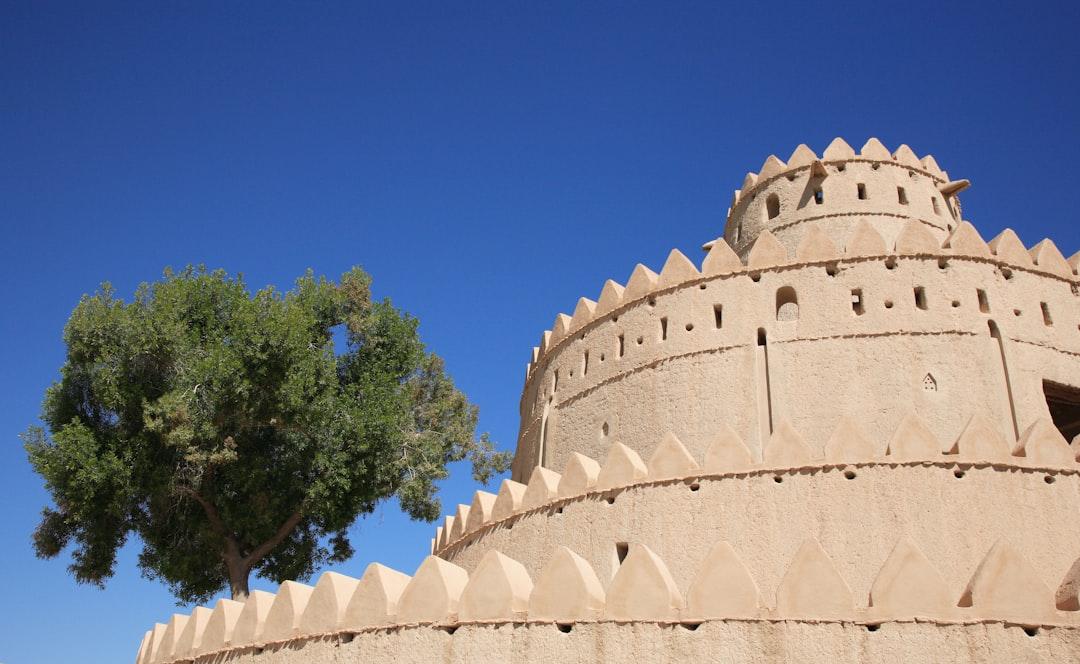
Dubai's tropical climate and modern building designs create optimal conditions for ant colonies to establish and expand. The consistent warmth throughout the year allows these insects to remain active and reproduce continuously. Food sources are abundant in residential areas, making homes and commercial establishments attractive targets for foraging ants.
Urban development patterns in the UAE often disturb natural ant habitats, forcing colonies to seek new nesting sites. Buildings with small cracks, gaps around plumbing, and food storage areas become prime locations for ant establishment. The interconnected nature of apartment buildings and office complexes allows infestations to spread rapidly between units.
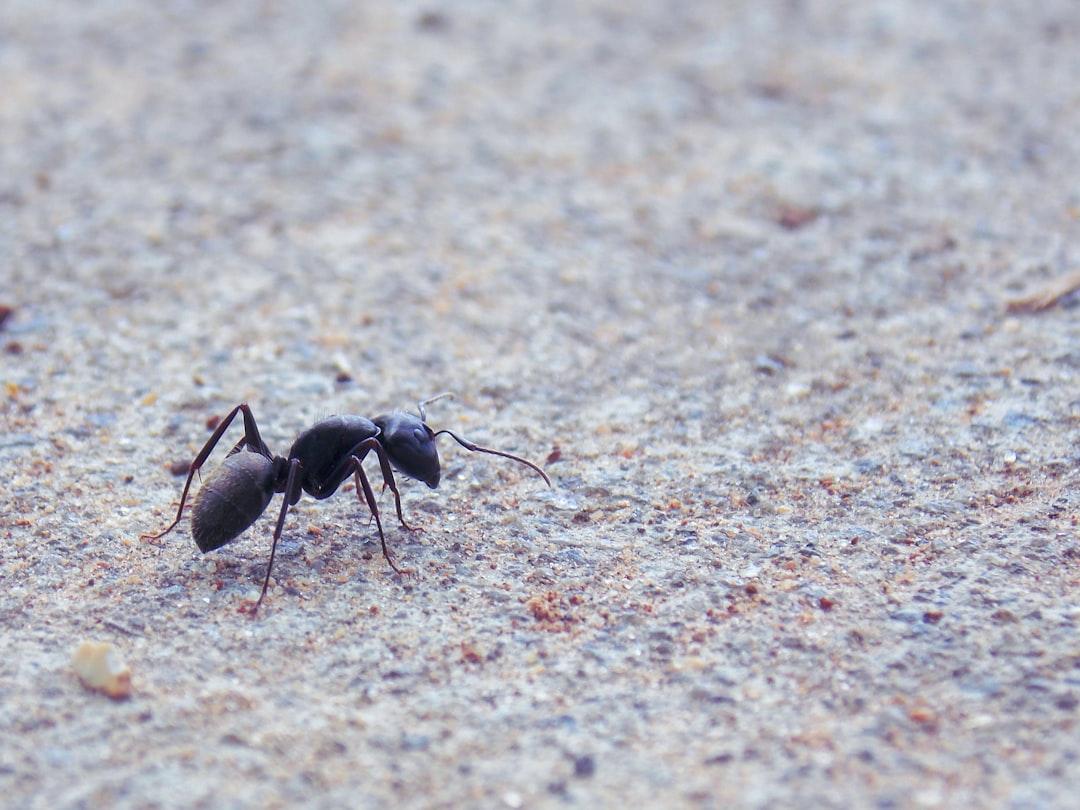
Recognizing the early signs of ant activity helps property owners address infestations before they become severe. Understanding the health and property risks associated with different ant species enables informed decisions about treatment approaches.
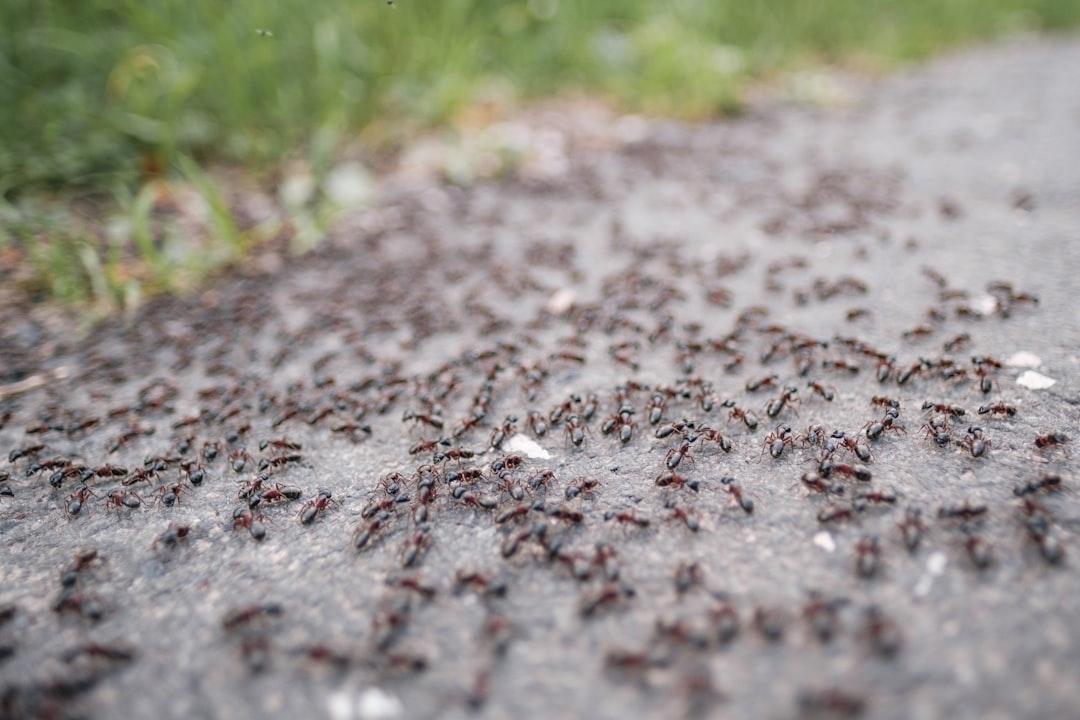
Visible ant trails represent the most obvious indication of an active infestation. These organized lines of insects typically lead from food sources back to their nests. Small piles of sand or soil near building foundations often indicate underground nesting activities.
Food contamination becomes apparent when ants are found crawling over stored items or kitchen surfaces. Property owners may notice small holes in packaging or scattered crumbs that suggest ant feeding activity. Strange rustling sounds within walls can indicate large colonies moving through building structures.
While most ant species do not pose direct health threats, they can contaminate food supplies and kitchen surfaces. Some individuals may experience allergic reactions to ant bites or stings, particularly from fire ants or other aggressive species. Certain ants can carry bacteria on their bodies, potentially spreading pathogens to food preparation areas.
Pharaoh ants present particular health concerns in hospitals and healthcare facilities due to their ability to spread harmful bacteria. These tiny insects can access sterile environments and contaminate medical equipment or supplies. Proper identification and professional treatment become essential in sensitive environments where health and safety are paramount.
Carpenter ants create structural damage by excavating galleries within wooden building components. Unlike termites, these ants do not consume wood but remove it to create nesting spaces. Over time, extensive carpenter ant activity can weaken wooden beams, flooring, and other structural elements.
Some ant species damage landscaping by creating large soil mounds or disrupting plant root systems. Electrical systems may suffer damage when ants nest within junction boxes or appliance housings. The cost of repairing ant-related damage often exceeds the investment in professional prevention and treatment services.
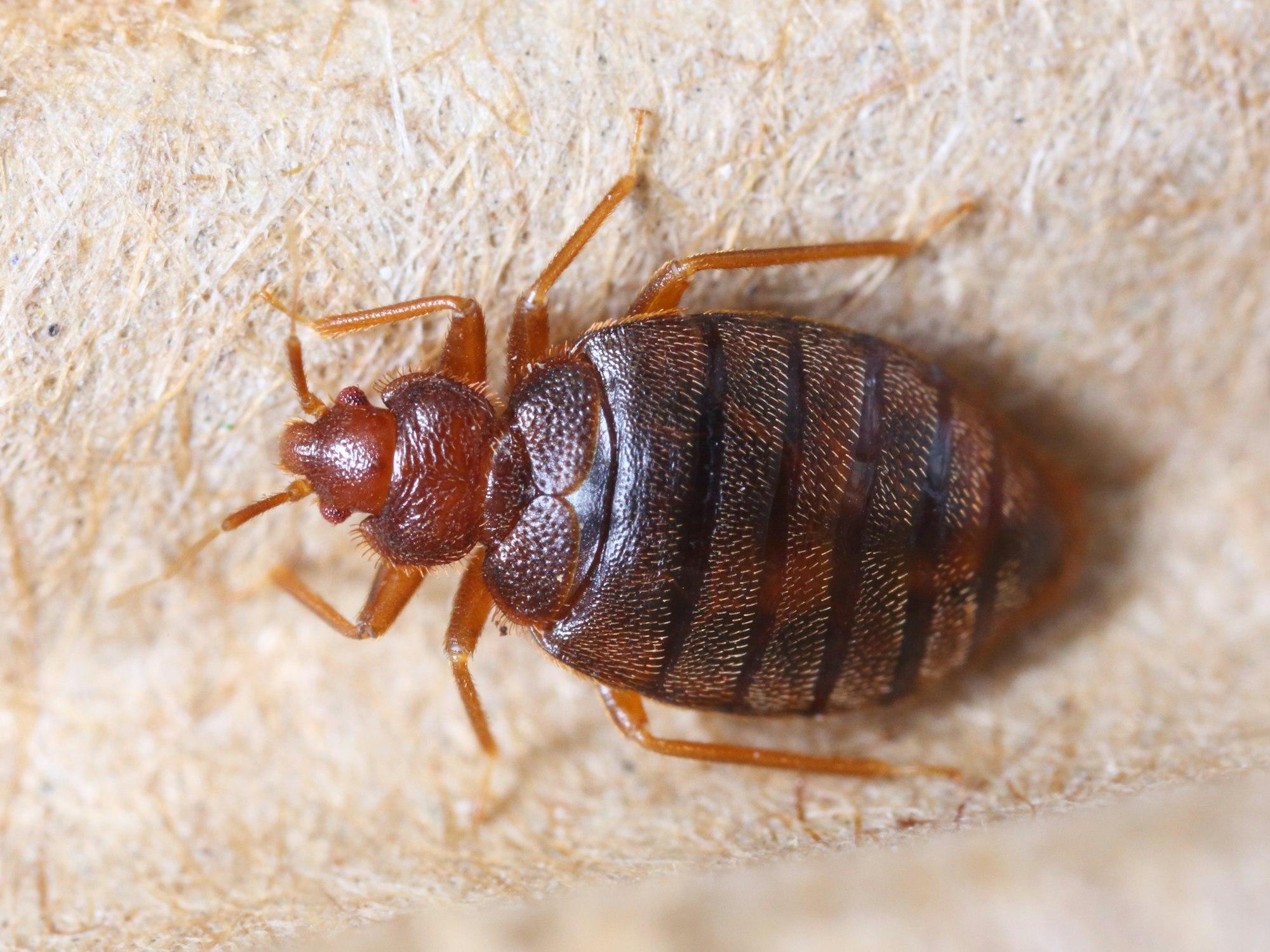
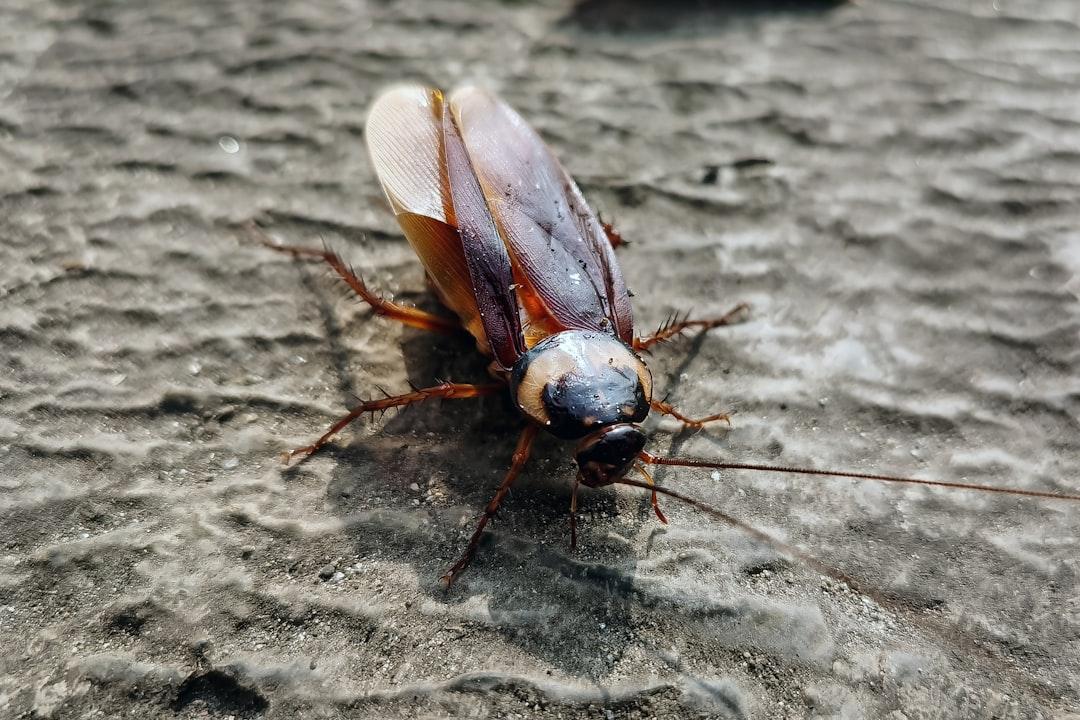
Modern ant control approaches combine multiple strategies to achieve lasting results. Professional techniques focus on eliminating existing colonies while establishing long-term prevention measures. The most effective programs integrate chemical treatments, physical barriers, and environmental modifications.
Licensed technicians use advanced baiting systems that target entire ant colonies rather than individual insects. These specialized baits contain slow-acting insecticides that worker ants carry back to their nests. The delayed action ensures that the bait reaches the queen and other colony members before taking effect.
Residual spray treatments create protective barriers around building perimeters and potential entry points. These long-lasting formulations continue working for weeks or months after application. Professional equipment allows technicians to reach difficult areas such as wall voids, ceiling spaces, and underground nesting sites.
Strategic bait placement requires understanding ant behavior patterns and colony locations. Professionals position bait stations along established ant trails and near nesting areas. Different bait formulations attract specific ant species, ensuring maximum effectiveness against the particular insects present.
Physical barriers prevent ants from accessing buildings through common entry points. Sealants and caulking materials close gaps around pipes, windows, and doors. Specialized treatments around foundations create chemical barriers that repel approaching ants while remaining safe for family members and pets.
Modern pest control products prioritize environmental safety while maintaining effectiveness against target pests. Eco-friendly formulations break down quickly in the environment, reducing long-term impact. These products focus their activity on specific insect physiology, minimizing effects on beneficial insects and other wildlife.
Application techniques ensure that treatments reach their intended targets while protecting non-target organisms. Professionals use precise equipment to apply products only where needed, reducing overall chemical usage. Integrated approaches combine minimal chemical use with other control methods for comprehensive ant management.
Property owners can implement several natural deterrents to discourage ant activity. Regular cleaning removes food particles and eliminates scent trails that attract foraging insects. Proper food storage in sealed containers prevents access to potential ant food sources.
Natural repellents such as cinnamon, coffee grounds, and citrus peels may provide temporary deterrent effects. However, these methods typically offer limited effectiveness against established colonies. DIY approaches work best as preventive measures rather than solutions for existing infestations.
Professional pest control services offer expertise, specialized equipment, and proven methods that exceed typical DIY approaches. Licensed technicians understand local ant species and their behaviors, enabling targeted treatment strategies. The investment in professional service often proves more cost-effective than repeated unsuccessful DIY attempts.
Trained professionals can accurately identify ant species and understand their specific behaviors and vulnerabilities. This knowledge enables the selection of appropriate treatment methods for each situation. Years of experience working with UAE ant populations provide insights that benefit property owners.
Professional technicians stay updated on the latest control methods and product developments. Continuing education ensures that services incorporate the most effective and safest available approaches. This expertise translates into more successful outcomes and longer-lasting results for clients.
Licensed pest control companies use approved products according to manufacturer specifications and regulatory guidelines. Professional training ensures proper application techniques that maximize effectiveness while minimizing risks. Safety protocols protect family members, pets, and the environment during and after treatment.
Quality control measures verify that treatments achieve their intended results. Follow-up inspections confirm that ant activity has been eliminated and identify any areas requiring additional attention. This systematic approach ensures comprehensive resolution of ant problems.
Each property presents unique challenges that require tailored approaches. Professionals assess factors such as building design, landscaping, and ant species present to develop appropriate strategies. Customized plans address specific client concerns while working within budget constraints.
Flexible service options accommodate different property types and infestation severity levels. Residential treatments may focus on kitchen and food storage areas, while commercial services address larger areas and ongoing prevention. Seasonal programs provide year-round protection against recurring ant problems.
UAE regulations require pest control technicians to obtain proper licensing and maintain certification through ongoing training. These requirements ensure that professionals understand safe product handling and application procedures. Licensed companies carry insurance coverage that protects clients and their property.
Certification programs verify that technicians possess the knowledge and skills necessary for effective pest management. Regular recertification ensures that professionals stay current with industry developments and regulatory changes. This credentialing system provides clients with confidence in service quality.
Established pest control companies maintain staff and resources to respond promptly to client needs. Quick response times prevent ant problems from escalating into more serious infestations. Reliable scheduling accommodates client preferences while ensuring timely problem resolution.
Emergency services address urgent situations that require immediate attention. Many companies offer flexible scheduling options including weekend and evening appointments. This availability ensures that ant control fits into busy residential and business schedules.
Effective ant control follows a systematic process that identifies problems, implements solutions, and prevents recurrence. Professional services include thorough inspection, strategic planning, targeted treatment, and ongoing support. This comprehensive approach ensures long-term success.
Initial inspections examine both interior and exterior areas to locate ant activity and potential nesting sites. Technicians use specialized tools to detect hidden colonies and assess infestation severity. Proper identification of ant species guides treatment selection and strategy development.
Detailed documentation records findings and creates a baseline for measuring treatment effectiveness. Inspection reports help property owners understand the scope of ant problems and the rationale behind recommended solutions. This information supports informed decision-making about treatment options.
Treatment plans incorporate inspection findings, client preferences, and site-specific factors. Professionals consider building layout, occupancy patterns, and environmental sensitivities when developing strategies. Timeline and resource requirements are clearly outlined to set appropriate expectations.
Risk assessment identifies potential challenges and develops contingency approaches. Treatment plans balance effectiveness with safety considerations, particularly in areas where children and pets spend time. Clear communication ensures that all parties understand the proposed approach and expected outcomes.
Implementation begins with preparation activities such as moving furniture or storing food items as directed. Technicians apply treatments according to established protocols using proper safety equipment. Multiple treatment methods may be combined to address different aspects of the ant problem.
Progress monitoring tracks treatment effectiveness and identifies areas requiring additional attention. Adjustments to the approach may be necessary based on ant response and environmental conditions. Professional expertise ensures that modifications enhance rather than compromise overall success.
Follow-up visits verify that treatments have achieved desired results and address any remaining concerns. Technicians provide guidance on maintaining ant-free conditions through proper sanitation and exclusion measures. Written recommendations help property owners implement effective long-term prevention strategies.
Ongoing support includes answering questions about post-treatment observations and providing additional services if needed. Many companies offer warranty periods that cover retreatment if ant activity returns within specified timeframes. This support demonstrates commitment to client satisfaction and treatment success.
The UAE hosts several ant species that commonly invade homes and businesses. Understanding their characteristics helps property owners recognize infestations and communicate effectively with pest control professionals. Each species requires specific treatment approaches based on their biology and behavior.
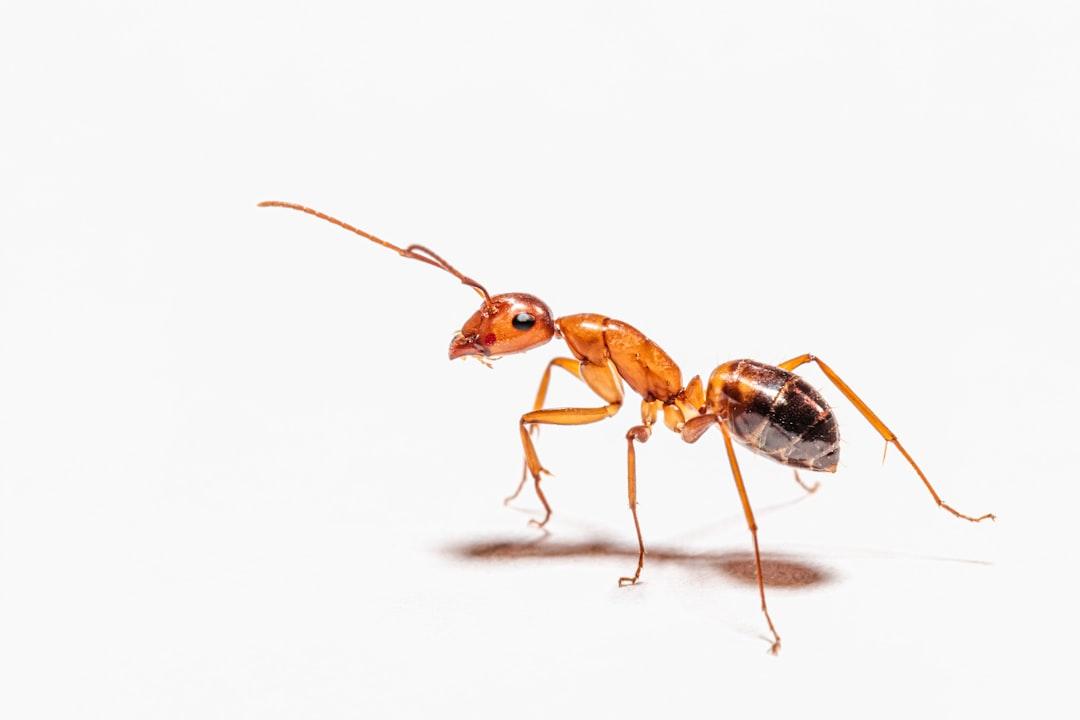
Brown ants, often called sugar ants, are among the most common household invaders in the UAE. These small, light brown insects measure approximately 2-3 millimeters in length. They are particularly attracted to sweet substances and sugary foods, hence their common name.
These ants typically establish outdoor nests but send worker ants indoors to forage for food. They create visible trails between their nests and food sources, making them relatively easy to track. Brown ants respond well to baiting treatments that target the entire colony through the worker ants' feeding behavior.
Black garden ants are slightly larger than brown ants and appear dark brown to black in color. They measure between 3-5 millimeters and are commonly found both indoors and outdoors. These ants prefer protein-based foods but will also consume sweet substances when available.
Black ants often nest under sidewalks, building foundations, or in wall voids. They may create small soil mounds near nest entrances, particularly in outdoor areas. Their versatile diet makes them persistent invaders that require comprehensive treatment approaches to eliminate successfully.
Pharaoh ants are tiny, yellow-brown insects measuring only 1.5-2 millimeters in length. They are particularly problematic because they can establish multiple satellite colonies connected to the main nest. This behavior makes them extremely difficult to eliminate without professional intervention.
These ants thrive in warm, humid environments and are commonly found in hospitals, hotels, and apartment buildings. They can carry pathogenic bacteria, making them a significant health concern in sensitive environments. Pharaoh ants require specialized baiting treatments that avoid causing colony fragmentation.
Carpenter ants are among the largest ant species found in the UAE, measuring 6-13 millimeters in length. They are typically black or dark brown and have a distinctive heart-shaped head when viewed from above. Unlike termites, carpenter ants do not eat wood but excavate galleries for nesting.
These ants prefer moist, decaying wood but may also tunnel through sound wood to expand their colonies. They are most active during evening hours and may produce rustling sounds within walls. Carpenter ant control requires locating and treating the main colony, which may be located considerable distances from where workers are observed.
Ant control costs vary based on several factors including property size, infestation severity, and treatment methods required. Understanding pricing factors helps property owners make informed decisions about pest control investments. Professional services offer transparent pricing structures that reflect the complexity and scope of required treatments.
Property size directly impacts treatment costs as larger areas require more time, materials, and labor to address effectively. Multi-story buildings may incur additional charges due to access challenges and the need for specialized equipment. The type of property also influences pricing, with commercial treatments typically costing more than residential services.
Infestation severity affects both treatment complexity and cost, with established colonies requiring more intensive approaches. The ant species involved influences treatment selection and associated costs, as some species require specialized baits or application methods. Follow-up visits and warranty provisions may be included in initial pricing or offered as separate service options.
Reputable pest control companies provide detailed estimates that outline all anticipated costs and services. Free inspections allow professionals to assess situations accurately and provide realistic pricing information. Written estimates protect both clients and service providers by clearly defining expectations and deliverables.
Pricing transparency includes explaining any potential additional costs that might arise during treatment. Service contracts specify what is included in base pricing and identify any circumstances that might result in additional charges. This clarity helps clients budget appropriately and avoid unexpected expenses.
Long-term ant prevention requires ongoing attention to sanitation, exclusion, and monitoring practices. Property owners who implement comprehensive prevention strategies significantly reduce the likelihood of future infestations. Preventive measures prove more cost-effective than reactive treatments for established colonies.
Sealing entry points prevents ants from accessing building interiors through cracks, gaps, and openings. Regular inspection and maintenance of exterior caulking, weatherstripping, and foundation seals eliminate potential access routes. Proper drainage prevents moisture accumulation that attracts certain ant species and supports colony establishment.
Landscape management reduces outdoor ant habitat near buildings through proper vegetation maintenance and debris removal. Storing firewood, mulch, and other organic materials away from building foundations eliminates potential nesting sites. Regular removal of fallen fruit, pet food, and other outdoor attractants reduces foraging opportunities.
Consistent cleaning practices eliminate food sources and scent trails that attract foraging ants. Daily cleaning of food preparation areas, prompt cleanup of spills, and proper waste management significantly reduce ant attraction. Vacuuming removes food particles from carpets and other surfaces where they might accumulate.
Proper food storage in sealed containers prevents access to pantry items and eliminates odors that attract ants. Regular cleaning of appliances, particularly those used for food preparation, removes residues that may serve as ant food sources. Pet food should be stored in sealed containers and feeding areas cleaned regularly to prevent attraction.

Professional ant control services throughout the UAE provide comprehensive solutions for residential and commercial properties. Expert technicians offer thorough inspections, customized treatment plans, and ongoing support to ensure complete elimination of ant problems.
Initial consultations typically include comprehensive property inspections to identify ant species, locate nesting sites, and assess infestation severity. Professional estimates outline recommended treatment approaches, anticipated timelines, and associated costs. This information enables property owners to make informed decisions about ant control investments.
Many companies offer complimentary initial consultations that provide valuable information about ant problems and potential solutions. These consultations establish the foundation for successful treatment programs by ensuring clear communication between clients and service providers.
Professional pest control companies prioritize client satisfaction through comprehensive service delivery and ongoing support. Quality assurance measures ensure that treatments achieve intended results and address client concerns effectively. Follow-up services and warranties demonstrate commitment to successful problem resolution.
Experienced professionals understand that effective ant control requires both technical expertise and responsive customer service. Clear communication throughout the service process ensures that clients remain informed about treatment progress and expected outcomes. This approach builds confidence and supports long-term client relationships.