Loading...

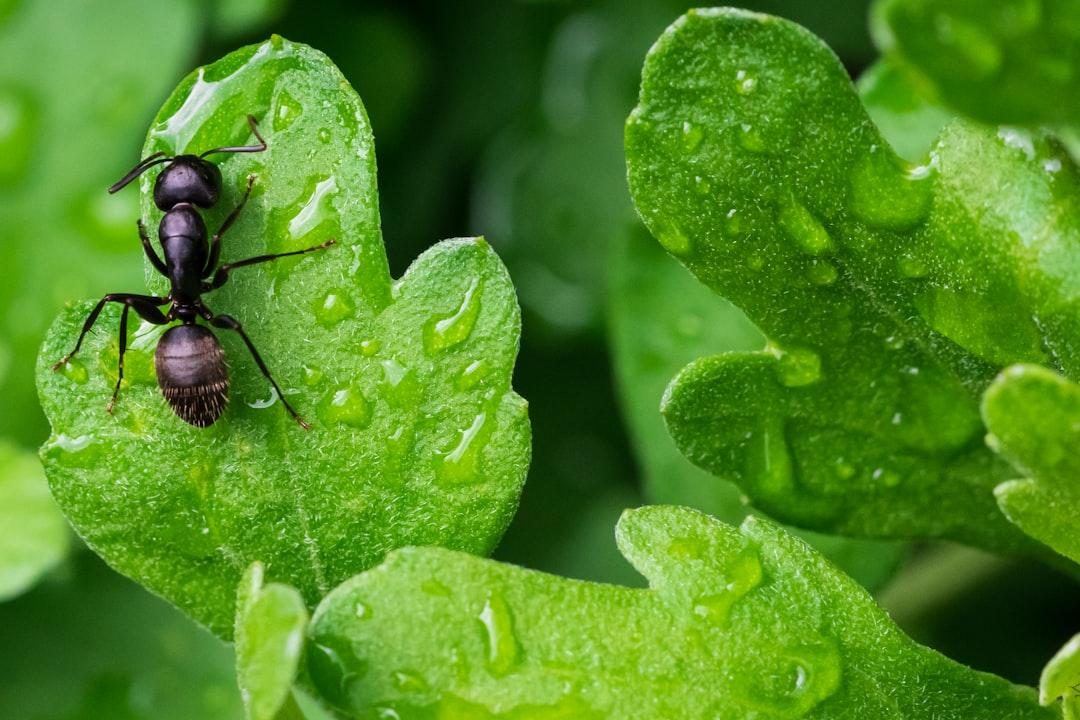
Black ants pest control in the UAE is an on-site service with an exterminator, not a product sale. The visit focuses on locating trails, entry points, and nest areas, then applying a targeted treatmen...
Black ants pest control in the UAE is an on-site service with an exterminator, not a product sale. The visit focuses on locating trails, entry points, and nest areas, then applying a targeted treatment adapted to the site. It’s commonly used for recurring ant activity in kitchens, around sinks, skir
7.0K reviews
December 2025
Excellent and very professional service
December 2025
Very good service
December 2025
Very professional service.
December 2025
Friendly and efficient
Professional pest control services provide comprehensive solutions for ant infestations in residential and commercial properties. Expert technicians use targeted treatments and proven methods to eliminate colonies effectively. The process typically involves thorough inspection, species identification, and customized treatment plans.
Local pest control companies understand the specific challenges faced by property owners in the UAE. They have experience dealing with common ant species found in the region and know the most effective treatment methods. Professional teams use specialized equipment and techniques to locate nests and eliminate entire colonies.
Trained technicians can quickly identify the type of ant causing problems and select appropriate control methods. Their expertise ensures efficient treatment while minimizing disruption to daily activities.
Professional pest control offers several advantages over DIY methods when dealing with ant infestations. Experienced technicians have access to commercial-grade products that are more effective than consumer solutions. They also provide ongoing monitoring and prevention services to ensure long-term results.
Expert services include detailed inspections, customized treatment plans, and follow-up visits as required. This comprehensive approach addresses both immediate problems and underlying causes of infestations.
Proper identification of ant species is crucial for effective control measures. Different types of ants have varying behaviors, nesting habits, and treatment requirements. Understanding these differences helps determine the most appropriate control strategies.
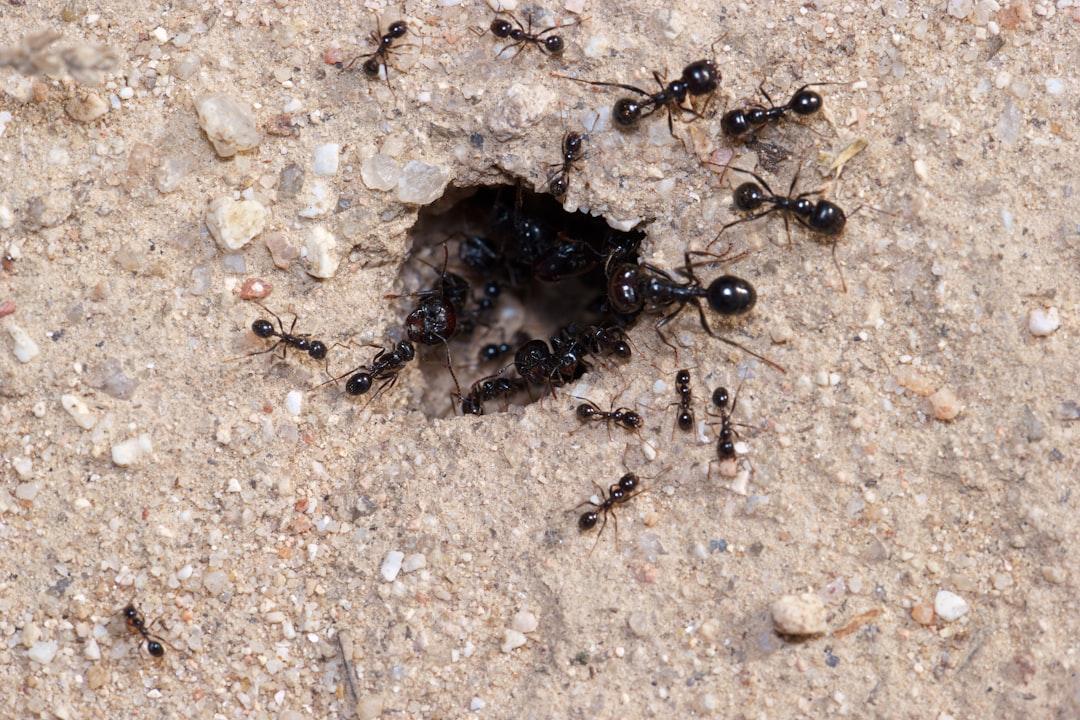
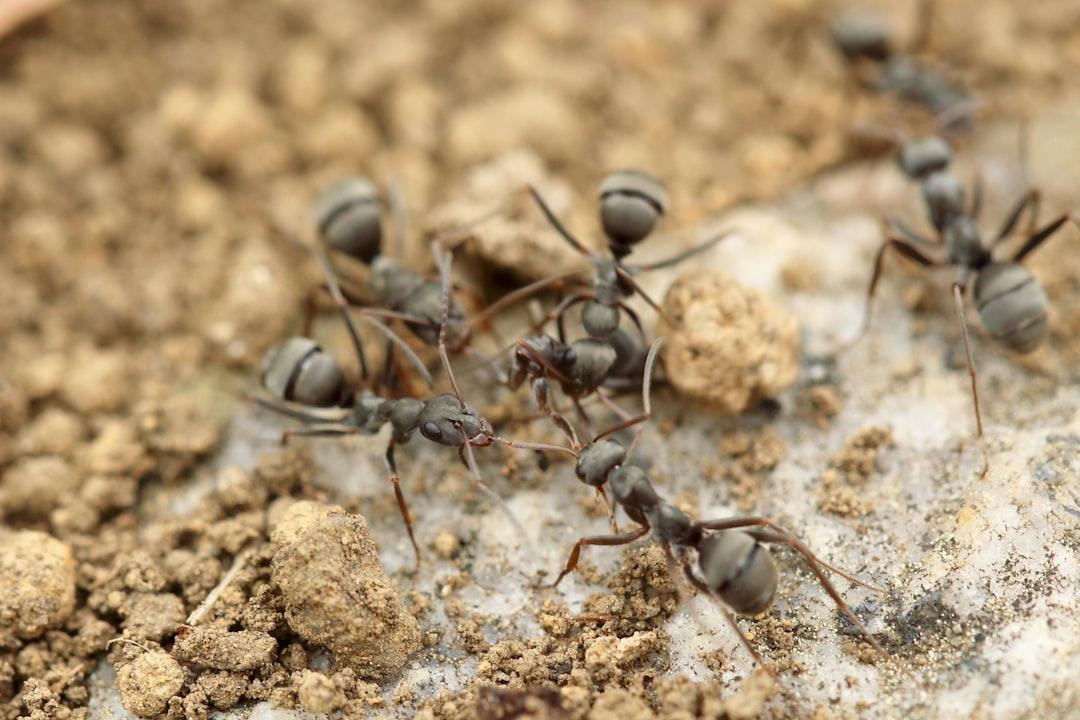
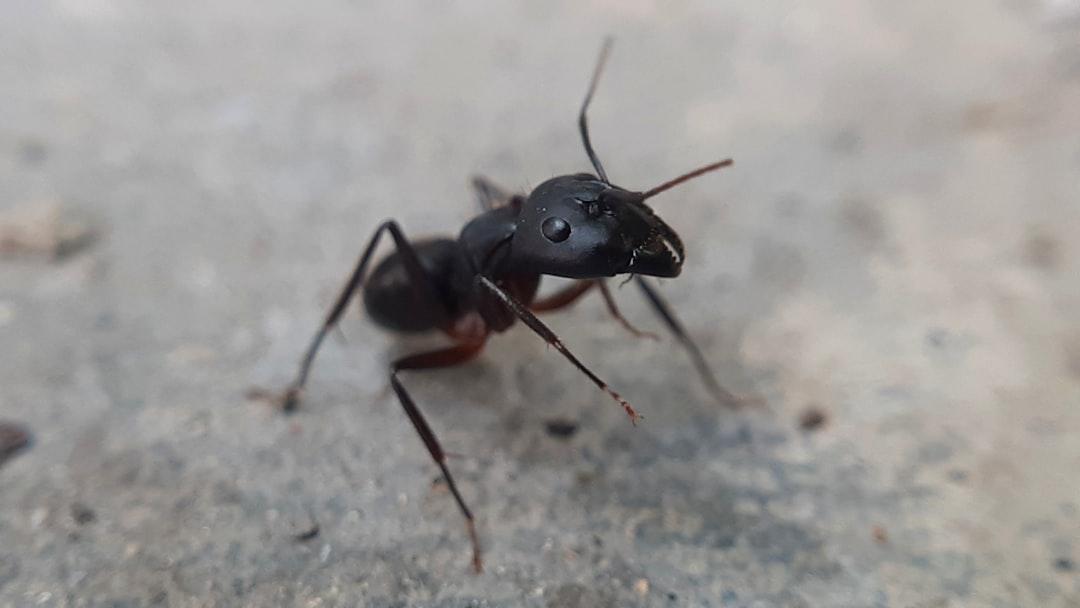
Black ants are typically small insects ranging from 2-8mm in length with dark brown to black coloration. They have segmented bodies with distinct head, thorax, and abdomen sections. Most species have elbowed antennae and six legs with strong mandibles for carrying food and building materials.
Worker ants are usually smaller than reproductive members of the colony. The physical characteristics can vary between different species, making professional identification important for effective treatment.
Several species of black ants are commonly found in the UAE region. Carpenter ants are larger insects that can cause damage to wood structures by excavating galleries for their nests. Pavement ants typically nest under concrete slabs and sidewalks, often entering buildings through cracks in foundations.
Little black ants are among the most common household pests, forming large colonies that can quickly spread throughout a property. Each species requires different control approaches based on their specific habits and preferences.
Ant colonies follow a complex social structure with different castes performing specific roles. Worker ants forage for food, maintain the nest, and care for developing larvae. The life cycle includes egg, larval, pupal, and adult stages, with development time varying by species and environmental conditions.
Understanding ant behavior patterns helps predict their movement and locate nesting sites. Most species are highly organized and follow established trails when foraging for food and water sources.
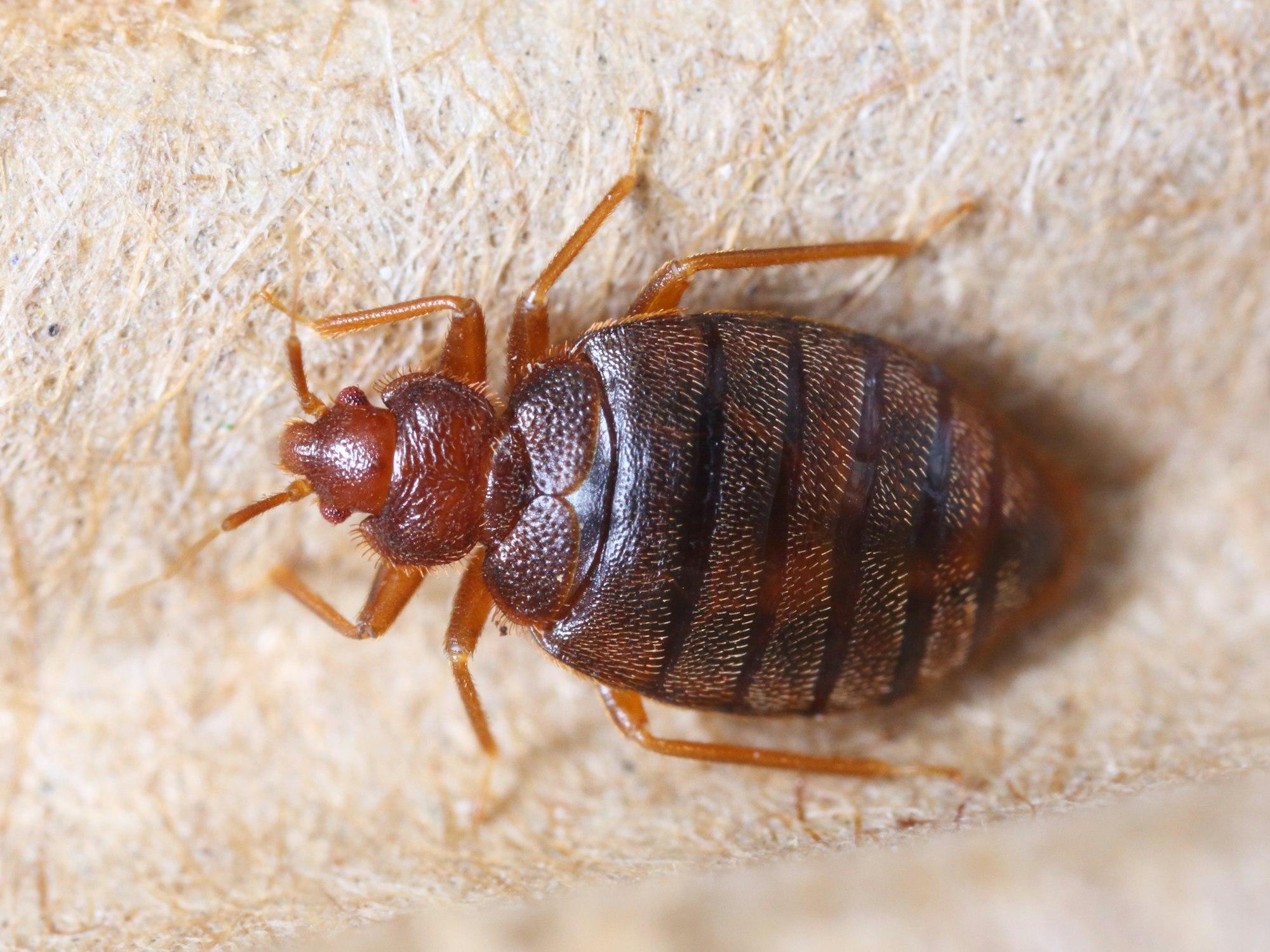
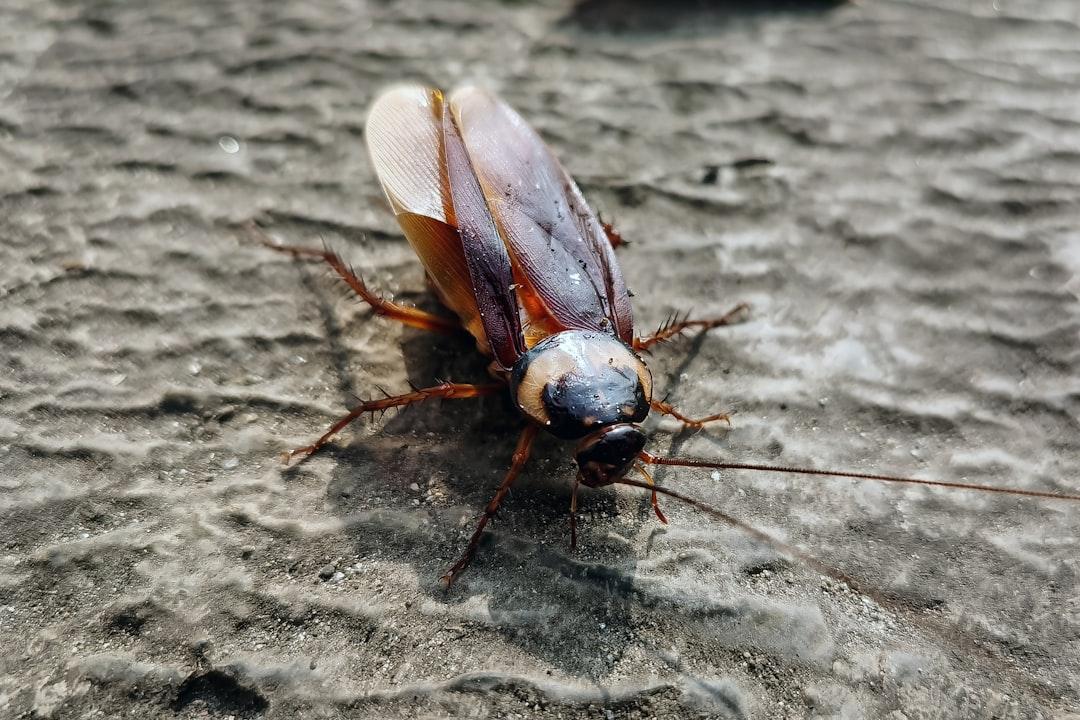
Early detection of ant activity allows for prompt treatment before infestations become established. Property owners should regularly inspect areas where ants are likely to be active. Recognition of warning signs helps prevent small problems from developing into major infestations.
Ants frequently appear in kitchen areas where food sources are readily available. They are attracted to water sources such as sinks, pipes, and areas with moisture problems. Common entry points include cracks around windows, doors, and utility penetrations in walls.
Indoor nests may be located behind walls, under flooring, or in dark, undisturbed spaces. Outdoor colonies are often found in gardens, under pavement, or near building foundations.
While most black ant species do not pose direct health risks, they can contaminate food supplies and create unsanitary conditions. Carpenter ants may cause structural damage by excavating wood for nesting purposes. Large infestations can be particularly problematic in food service establishments and healthcare facilities.
Some individuals may experience allergic reactions to ant bites or stings. The presence of ants can also indicate underlying moisture problems that require attention.
Effective ant control requires a systematic approach that addresses both immediate problems and long-term prevention. Professional pest control services use integrated methods combining inspection, treatment, and monitoring. This comprehensive strategy provides more reliable results than single-treatment approaches.
Thorough inspection is the foundation of effective ant control programs. Technicians examine both interior and exterior areas to locate nests, identify species, and assess the extent of infestations. Proper identification determines which control methods will be most effective.
Professional inspectors look for ant trails, entry points, and conditions that attract these insects. They also evaluate moisture levels, food sources, and structural factors that contribute to infestations.
Professional treatments use multiple approaches depending on the species and infestation severity. Baiting systems allow ants to carry poison back to colonies, eliminating entire populations including reproductive members. Gel formulations provide targeted application in areas where ants are active.
Residual sprays create protective barriers around entry points and nesting areas. The combination of different treatment methods ensures comprehensive control of established infestations.
Modern pest control emphasizes the use of products that are effective against target pests while minimizing environmental impact. Low-toxicity formulations are particularly important in homes with children and pets. Professional applicators are trained in proper use and safety procedures for all treatment products.
Integrated pest management approaches focus on long-term prevention through habitat modification and targeted treatments. This strategy reduces reliance on chemical treatments while maintaining effective control.
Prevention measures are essential components of comprehensive ant control programs. Sealing entry points eliminates access routes that ants use to enter buildings. Moisture control addresses conditions that attract many ant species to indoor environments.
Regular monitoring helps detect new activity before infestations become established. Professional services often include scheduled inspections and maintenance treatments as needed.
Property owners have several options for addressing ant problems, ranging from simple household remedies to comprehensive professional services. The choice depends on factors such as infestation severity, ant species, and desired results. Understanding the limitations of different approaches helps make informed decisions.
Basic ant control measures include eliminating food sources, cleaning up spills quickly, and sealing cracks where ants enter buildings. Simple baits and sprays available at retail stores may help control small infestations. Regular cleaning and proper food storage can prevent many ant problems.
However, DIY methods often provide only temporary relief and may not address underlying causes of infestations. Consumer products typically have lower active ingredient concentrations than professional formulations.
Professional services become necessary when DIY efforts fail to control infestations or when dealing with large colonies. Recurring problems often indicate that nests have not been properly treated or that entry points remain unsealed. Certain ant species require specialized knowledge and equipment for effective control.
Commercial properties and food service establishments typically require professional services to meet health and safety regulations. Professional treatments also provide better long-term value through comprehensive control and prevention programs.

Long-term ant control requires ongoing attention to conditions that attract these insects. Prevention strategies focus on eliminating food and water sources while blocking access to potential nesting sites. Consistent implementation of preventive measures significantly reduces the likelihood of future infestations.
Physical exclusion is one of the most effective prevention methods for ant control. Common entry points include gaps around doors and windows, cracks in foundation walls, and openings where utilities enter buildings. Proper sealing materials include caulk, weatherstripping, and expandable foam for larger openings.
Regular inspection and maintenance of seals ensures continued effectiveness. New cracks may develop over time due to settling and temperature changes, requiring periodic attention.
Ants require both food and water to survive, making source elimination a critical prevention strategy. Proper food storage in sealed containers prevents access to potential food sources. Regular cleaning removes crumbs and spills that attract foraging ants.
Addressing moisture problems such as leaking pipes and poor drainage eliminates water sources that attract many ant species. Good housekeeping practices in both residential and commercial settings significantly reduce ant attractants.
Consistent cleaning schedules help prevent conditions that attract ants to indoor environments. Special attention to kitchen and dining areas removes food residues that serve as ant attractants. Proper waste management and regular disposal of garbage eliminates breeding and feeding sites.
Clean environments also make it easier to detect early signs of ant activity before infestations become established. Regular maintenance of both indoor and outdoor areas contributes to effective prevention.
Exterior prevention measures complement indoor efforts by reducing ant populations around building perimeters. Maintaining proper drainage prevents moisture accumulation that attracts many ant species. Trimming vegetation away from buildings eliminates pathways that ants use to access structures.
Garden management practices such as removing debris and controlling aphids can reduce outdoor ant populations. Regular inspection of outdoor areas helps identify developing problems before they affect indoor spaces.
Property owners throughout Abu Dhabi, Dubai, and Sharjah can access professional ant pest control services for both residential and commercial properties. Expert teams provide comprehensive assessments and customized treatment recommendations based on specific needs and conditions. Contact information is available through local service providers who understand regional pest control challenges.
Professional estimates include detailed inspection results, treatment recommendations, and pricing information for proposed services. Many companies offer scheduled follow-up visits to ensure long-term effectiveness of control programs.