Carpenter Ants Pest Control
Carpenter Ants Pest Control
Carpenter ants pest control in the UAE is an on-site service carried out by a technician, not a product sale. The visit includes inspection of wooden elements, moisture-prone areas, and typical nestin...
Frequently asked questions
Carpenter Ants Pest Control in Dubai
Carpenter ants pest control in the UAE is an on-site service carried out by a technician, not a product sale. The visit includes inspection of wooden elements, moisture-prone areas, and typical nesting zones to confirm activity and identify entry points. Treatment is targeted to the affected areas a
You are here
Customer reviews
7.0K reviews
John D.
December 2025
Excellent and very professional service
Sarah M.
December 2025
Very good service
Mike R.
December 2025
Very professional service.
Emma L.
December 2025
Friendly and efficient

What are carpenter ants?
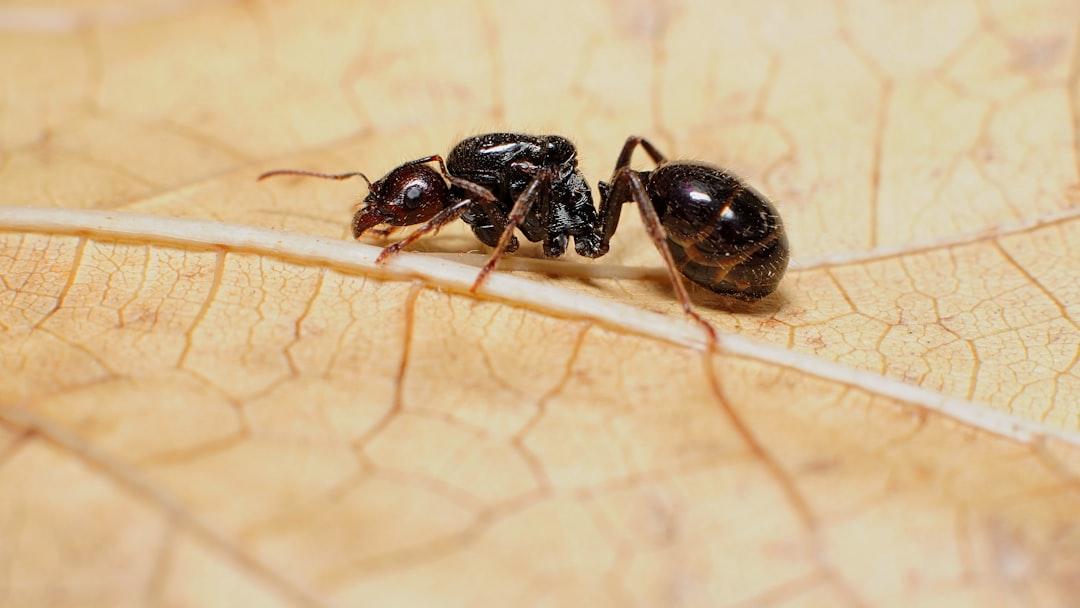
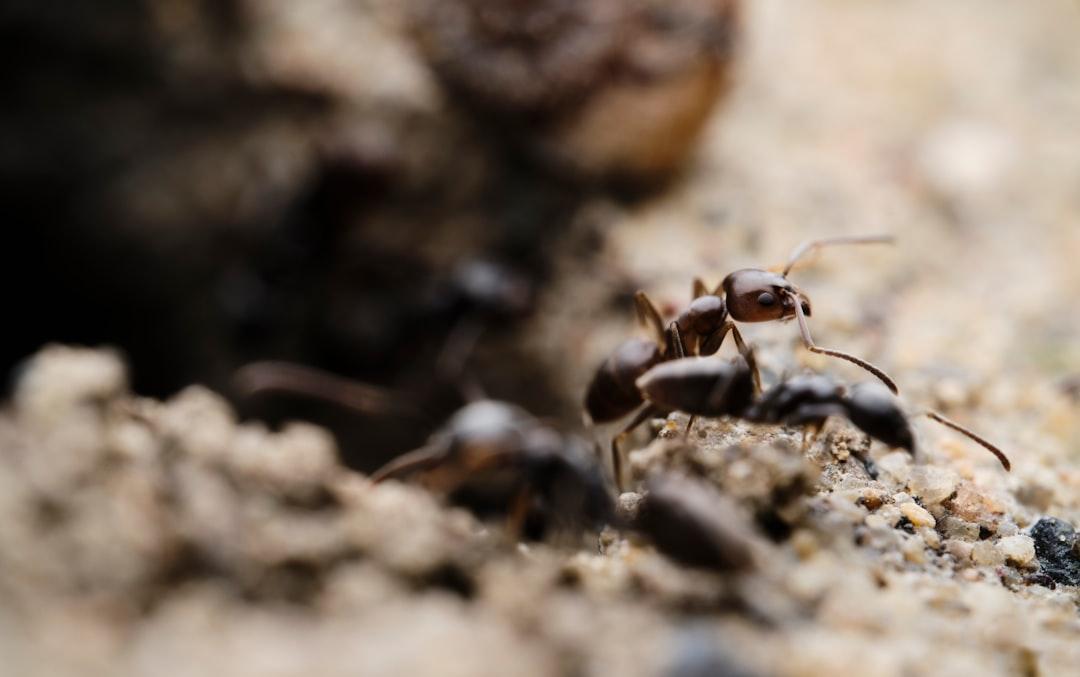
Carpenter ants are large species of ants that excavate galleries in wood to build their nests. These insects are commonly found throughout various regions and are often mistaken for termites due to their association with wood damage. The carpenter ant species typically measures between 6-25mm in length and displays distinctive characteristics that help distinguish them from other pests.
Carpenter ant identification: key features and differences
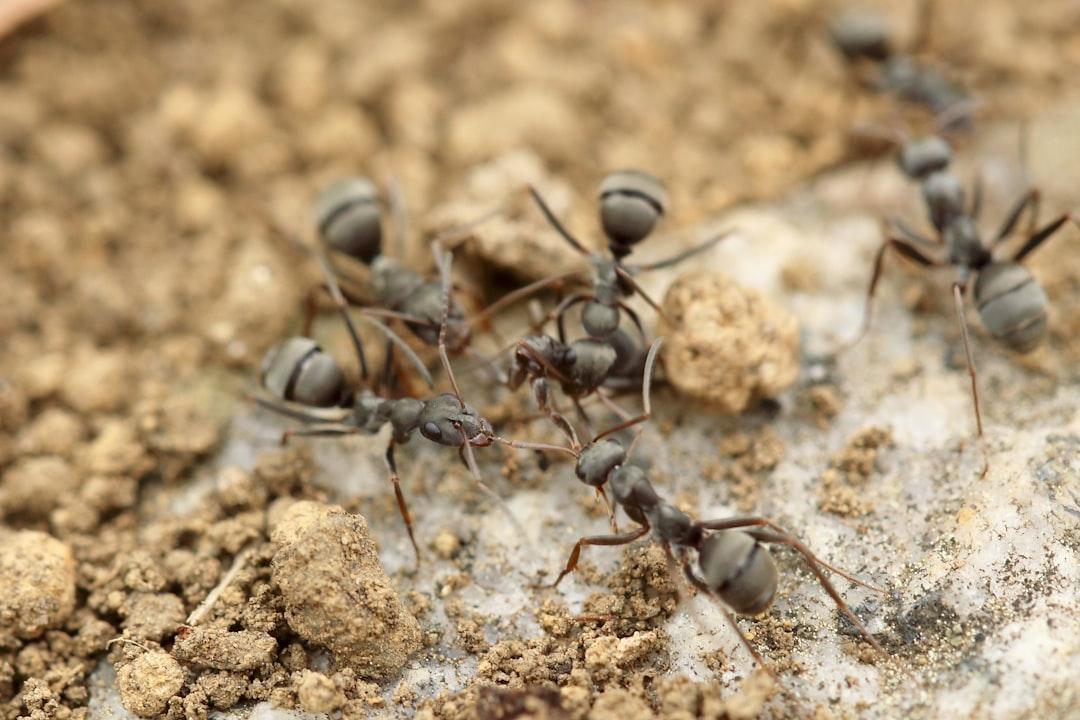
These ants exhibit several key features that help identify them from other species. Worker ants are typically black or dark brown in color, with some species showing reddish-brown variations. Their bodies have a narrow waist between the thorax and abdomen, and they possess strong mandibles for chewing through wood fibers.
Winged reproductive ants, known as swarmers, emerge during mating season and are often the first signs homeowners notice. Unlike termite swarmers, carpenter ant wings are unequal in length, with the front wings being longer than the rear wings. Their antennae are also bent at distinctive angles, helping distinguish them from straight-antennae termites.
Carpenter ant behavior and habitat
These insects prefer to establish colonies in moist, partially decayed wood, though they may also excavate dry wood areas. Parent colonies are typically found outside in dead trees, stumps, or wooden posts, while satellite colonies may develop indoors in areas with moisture issues. The ants are most active during night hours when they forage for food sources.
Worker ants travel considerable distances from their nests to locate food, creating well-defined trails along walls, baseboards, and other surfaces. They feed on both protein and sugar sources, including dead insects, pet food, and sweet substances found around homes and office buildings.
Signs of a carpenter ant infestation
Recognizing early signs of a carpenter ant infestation enables property owners to seek professional pest control services before extensive damage occurs. These indicators often appear gradually and may be overlooked until the colony becomes well-established within wooden structures.
Visual evidence of carpenter ants
The most obvious sign involves seeing live ants, especially large black workers foraging inside the home or building. Sightings of winged ants indoors during spring months often indicate an established colony nearby. These swarmers typically emerge from hidden nesting areas and may be found around windows or light sources.
Ant trails along walls, particularly near areas with wooden elements, suggest active foraging behavior. Workers often follow the same routes repeatedly, creating visible pathways that lead to and from food sources to nesting locations.
Damage to wood structures
Wood shavings, known as frass, accumulate near areas where carpenter ants have been excavating. This sawdust-like material typically contains fragments of wood, insulation, and other debris expelled from their galleries. Fresh frass indicates ongoing activity within wooden structures.
Hollow-sounding wood when tapped may reveal the presence of internal galleries created by carpenter ant colonies. These excavated areas weaken the structural integrity of affected wooden elements over time, potentially requiring costly repairs if left untreated.
Nesting sites to watch for
Common nesting locations include areas where wood remains in contact with moisture sources. Bathrooms, kitchens, basements, and areas near leaking pipes provide ideal conditions for colony establishment. Exterior wooden structures such as decks, porches, and window frames also attract these pests.
Wall voids, especially those containing damp insulation or wooden framing, often harbor satellite colonies. These secondary nests support the main colony and can house thousands of worker ants in a large, established infestation.