Loading...

Carpenter bee pest control in the UAE is an on-site service with a technician, not a product sale. The visit focuses on identifying active holes and damaged wooden areas on pergolas, door frames, fenc...
Carpenter bee pest control in the UAE is an on-site service with a technician, not a product sale. The visit focuses on identifying active holes and damaged wooden areas on pergolas, door frames, fences, or outdoor furniture. Treatment targets the nesting points and includes practical prevention tip
7.0K reviews
December 2025
Excellent and very professional service
December 2025
Very good service
December 2025
Very professional service.
December 2025
Friendly and efficient

Carpenter bees represent a significant threat to wooden structures throughout the UAE. These large, robust insects bore tunnels into wood to create nesting sites, causing both structural and aesthetic damage to homes and commercial buildings.
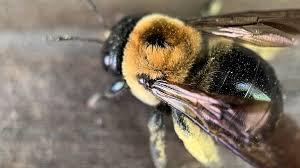
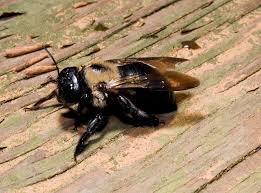
Carpenter bees are large, solitary insects that resemble bumblebees but have distinctive shiny, black abdomens. Unlike other bee species that live in colonies, carpenter bees work alone to excavate tunnels in wood for their nesting sites. These insects typically measure between 12-25mm in length and are active during spring months when they emerge to mate and establish new tunnels.
Identifying carpenter bees involves observing their physical characteristics and behavior patterns. These insects have yellow and black coloring with glossy, hairless abdomens that distinguish them from fuzzy bumblebees. Homeowners often notice these bees hovering around wooden structures, particularly eaves, decks, and fence posts during daylight hours.
Male and female carpenter bees exhibit different behaviors and physical traits. Female carpenter bees possess powerful mandibles for boring into wood and can deliver painful stings when threatened. Male carpenter bees lack stingers but display more aggressive territorial behavior, often hovering near nesting areas to ward off perceived threats.
Carpenter bees demonstrate predictable behavioral patterns that help professionals develop effective control strategies. These insects prefer softwoods like pine, cedar, and fir, avoiding painted or treated lumber surfaces. Female bees typically reuse existing tunnels, expanding them each year to accommodate new generations.
Recognizing early signs of carpenter bee activity enables property owners to address infestations before extensive damage occurs. Multiple indicators can alert homeowners to the presence of these wood-boring pests.
The most obvious sign involves seeing large, black bees hovering around wooden structures during spring months. These insects often appear near eaves, railings, and other exposed wood surfaces where they seek suitable nesting locations. Their hovering flight patterns and territorial behavior make them easily distinguishable from other bee species.
Carpenter bees create distinctive piles of coarse sawdust beneath their boring sites. This wood debris, known as frass, accumulates directly below active tunnels and provides clear evidence of ongoing carpenter bee activity. The sawdust appears fresh and light-colored when bees are actively excavating new tunnels.
Active carpenter bees produce audible sounds while boring tunnels and moving within existing galleries. These scratching or rustling noises become most noticeable during quiet periods and indicate ongoing tunnel expansion. The sounds typically occur near the surface of affected wood structures.
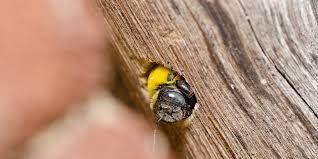
Carpenter bees create perfectly circular entrance holes approximately 12-16mm in diameter. These holes appear smooth and clean-cut, resembling drill holes rather than natural wood defects. Fresh holes often show bright, clean wood around the edges, while older entrance points may darken with age and weather exposure.
Extensive carpenter bee activity results in visible damage to wooden furniture, decks, and structural elements. Multiple holes and tunnels can weaken wood integrity and create unsightly blemishes on finished surfaces. Long-term infestations may compromise the structural soundness of affected wooden components.
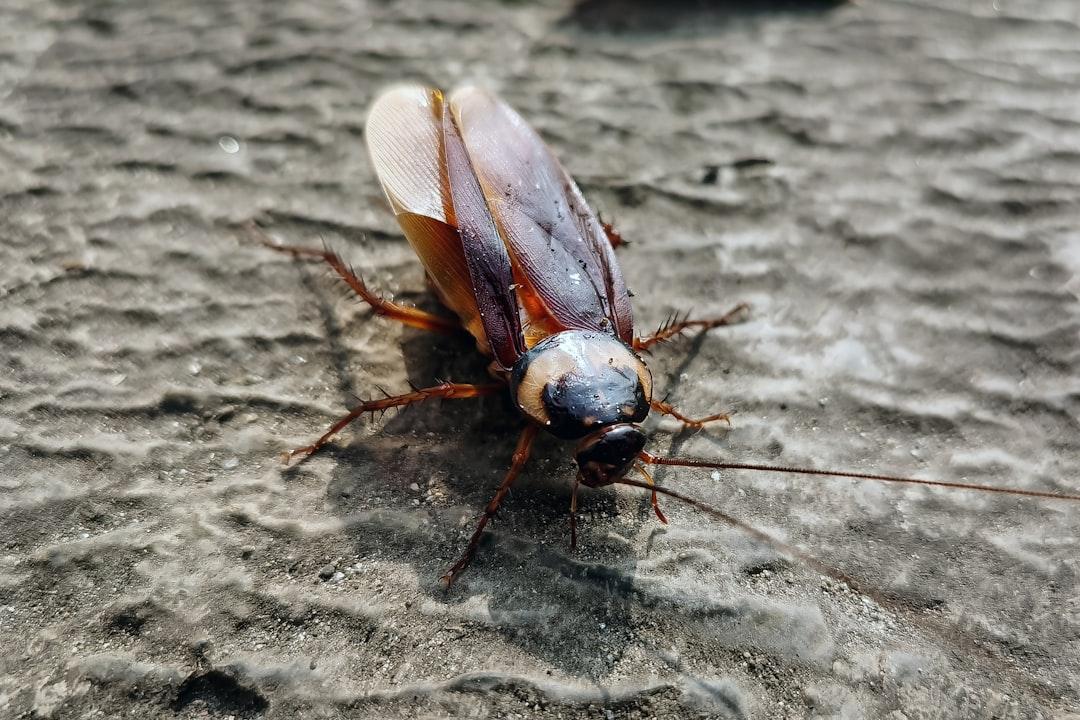
Carpenter bee damage extends beyond simple aesthetics, affecting structural integrity and property values. Understanding the full scope of potential damage helps property owners appreciate the importance of prompt pest management intervention.
Repeated tunneling by carpenter bees gradually weakens wooden structures through the removal of load-bearing material. Individual tunnels may extend 150-250mm into wood beams, creating galleries that compromise structural strength. Multiple generations using the same tunnels can create extensive networks that significantly reduce wood integrity.
Carpenter bee holes create unsightly blemishes on exterior wood surfaces, diminishing property appearance and value. Yellow staining around entrance holes, caused by bee excrement, further detracts from the aesthetic appeal of affected structures. These visual defects become particularly noticeable on painted or stained wood surfaces.
Abandoned carpenter bee tunnels provide shelter and nesting opportunities for other insects and small pests. Woodpeckers may cause additional damage while attempting to reach bee larvae inside tunnels. Secondary pest infestations can compound the original damage and create additional management challenges.
Successful carpenter bee management requires understanding various control methods and their appropriate applications. Both chemical and non-chemical approaches offer effective solutions depending on infestation severity and environmental considerations.
Professional pest control services provide the most reliable and effective approach to carpenter bee management. Trained technicians possess the expertise and specialized products necessary to eliminate established infestations safely. Professional treatments often include follow-up inspections to ensure long-term control and prevent reinfestation.
Various do-it-yourself methods can help homeowners address minor carpenter bee problems. These approaches range from simple deterrents to more intensive treatment protocols requiring specific products and application techniques. Success with DIY methods depends on proper identification, timing, and consistent application.
Chemical control products offer effective solutions for eliminating carpenter bees and preventing future infestations. Proper selection and application of these treatments ensures maximum effectiveness while maintaining safety for humans and pets.
Insecticide dusts provide long-lasting residual control when applied directly into carpenter bee tunnels. These products remain active for extended periods and eliminate bees that contact treated surfaces. Dust formulations penetrate deep into tunnel systems where liquid sprays cannot reach effectively.
Residual spray applications create protective barriers on wood surfaces that prevent new tunnel excavation. These treatments maintain effectiveness for several weeks and provide broad coverage of potential nesting sites. Regular reapplication ensures continued protection throughout the active bee season.
Non-chemical control methods offer environmentally friendly alternatives for carpenter bee management. These approaches focus on physical exclusion, habitat modification, and mechanical removal techniques rather than pesticide applications.
Specialized carpenter bee traps utilize visual and pheromone attractants to capture adult bees. These devices require strategic placement near active nesting sites for maximum effectiveness. Regular trap monitoring and maintenance ensures continued capture rates throughout the bee activity period.
Sealing existing carpenter bee holes prevents tunnel reuse and eliminates established nesting sites. This process involves filling holes with appropriate wood filler or caulk after ensuring complete bee elimination. Proper sealing requires timing applications when bees are absent from tunnels.
Natural repellents can deter carpenter bees from establishing new nesting sites on treated wood surfaces. Essential oils and other organic compounds provide temporary protection but require frequent reapplication for sustained effectiveness. Repellent treatments work best as preventive measures rather than curative solutions.
Prevention strategies focus on making wooden structures less attractive to carpenter bees through physical modifications and maintenance practices. Proactive prevention proves more cost-effective than reactive pest control treatments.
Painting or staining exposed wood surfaces creates a protective barrier that deters carpenter bee boring activity. These insects strongly prefer bare, unpainted wood and typically avoid treated surfaces. Regular maintenance of painted finishes ensures continued protection against carpenter bee establishment.
Regular inspection and maintenance of wooden structures helps identify potential carpenter bee attractants before infestations develop. Prompt repair of existing damage eliminates established tunnel systems that attract new generations. Consistent maintenance schedules reduce the likelihood of extensive carpenter bee problems.
Carpenter bees demonstrate strong preferences for softwood species and typically avoid hardwoods like oak, maple, and cherry. Pressure-treated lumber contains preservatives that deter boring activity and provide long-term protection. Substituting preferred materials with less attractive alternatives significantly reduces infestation risk.
Fine mesh screening over vulnerable wood areas prevents carpenter bee access while maintaining ventilation and aesthetics. This physical exclusion method provides permanent protection without requiring chemical treatments or regular maintenance. Proper installation ensures complete coverage of potential nesting sites.
Certain situations require professional intervention to achieve effective carpenter bee control and prevent extensive property damage. Recognizing these circumstances helps property owners make informed decisions about pest management approaches.
Multiple active bee sites, extensive tunnel networks, and visible structural damage indicate severe infestations requiring professional treatment. Large populations and widespread activity exceed the capacity of typical DIY control methods. Professional assessment helps determine the full extent of infestation and appropriate response strategies.
Persistent bee activity despite repeated DIY treatment attempts suggests the need for professional intervention. Complex infestations involving multiple species or hard-to-reach locations require specialized equipment and expertise. Professional services provide access to restricted-use products and advanced application techniques.
High-value wooden structures, antiques, and architectural features warrant professional protection due to replacement costs and historical significance. Expert evaluation ensures appropriate treatment selection that eliminates pests without damaging valuable materials. Professional services often provide warranties and follow-up monitoring for expensive structures.

Professional carpenter bee control services provide comprehensive solutions tailored to specific infestation conditions and property requirements. Expert technicians utilize proven methods and specialized products to achieve effective, long-lasting results.
Successful carpenter bee elimination follows a systematic approach that addresses immediate infestations while preventing future problems. This comprehensive process ensures thorough treatment and long-term protection for residential and commercial properties.
Thorough property inspections identify all active carpenter bee sites and assess the extent of existing damage. Professional technicians examine potential nesting areas and evaluate factors contributing to bee attraction. Detailed inspection findings guide treatment selection and application strategies.
Customized treatment plans address specific infestation characteristics and property conditions. Professional services select appropriate products and application methods based on bee activity levels, environmental factors, and customer preferences. Treatment timing optimizes effectiveness while minimizing disruption to property use.
Comprehensive prevention strategies reduce the likelihood of future carpenter bee establishment. Regular follow-up inspections monitor treatment effectiveness and identify emerging problems before they become severe. Ongoing maintenance programs provide continued protection and peace of mind for property owners.
Professional pest management offers numerous advantages over DIY approaches, particularly for complex or extensive carpenter bee infestations. Trained specialists provide expertise, specialized equipment, and guaranteed results that ensure effective problem resolution.
Certified pest control professionals possess extensive training in carpenter bee biology, behavior, and control methods. Years of field experience enable technicians to identify problems quickly and select optimal treatment approaches. Ongoing education ensures familiarity with latest products and techniques.
Modern pest control services offer environmentally responsible treatment options that minimize impact on non-target organisms. Green treatment alternatives provide effective carpenter bee control while protecting beneficial insects and maintaining environmental safety. These approaches satisfy customers seeking sustainable pest management solutions.
Professional services address multiple pest issues beyond carpenter bees, providing integrated solutions for complete property protection. Comprehensive approaches consider interactions between different pest species and environmental factors affecting infestation development. This holistic approach ensures optimal results and customer satisfaction.