Loading...

Centipede pest control in the UAE is an on-site service carried out by an exterminator, not a product sale. The visit targets entry points, cracks, and damp areas like bathrooms, kitchens, utility roo...
Centipede pest control in the UAE is an on-site service carried out by an exterminator, not a product sale. The visit targets entry points, cracks, and damp areas like bathrooms, kitchens, utility rooms, and drains where centipedes tend to appear. Treatment is paired with practical prevention tips,
7.0K reviews
December 2025
Excellent and very professional service
December 2025
Very good service
December 2025
Very professional service.
December 2025
Friendly and efficient

These segmented arthropods represent a common household pest problem that requires specialized knowledge for effective management. Their presence inside homes often indicates underlying moisture issues or abundant food sources that attract these predatory creatures.
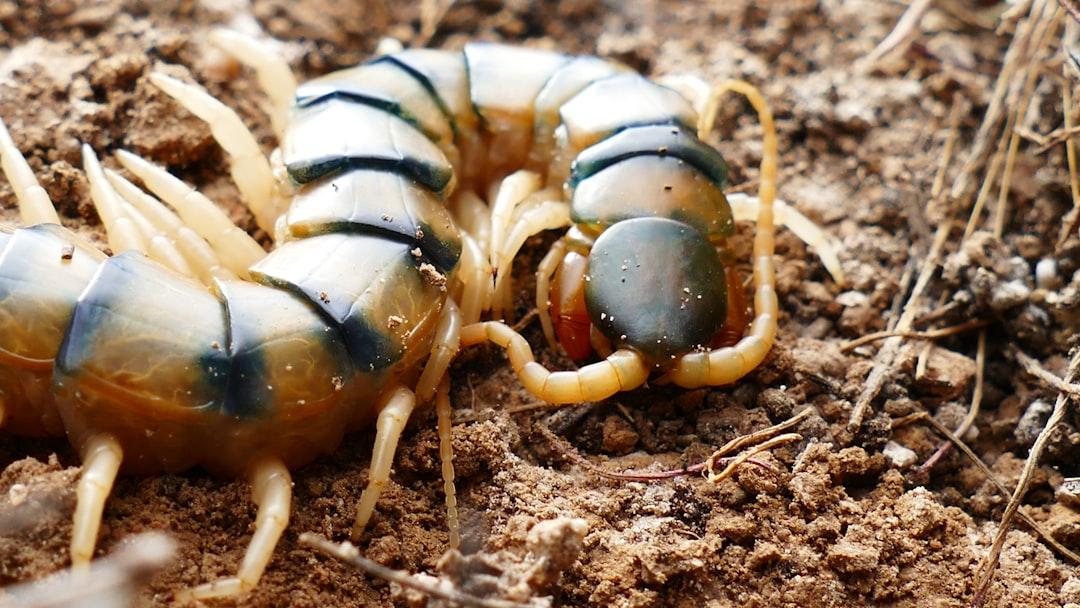
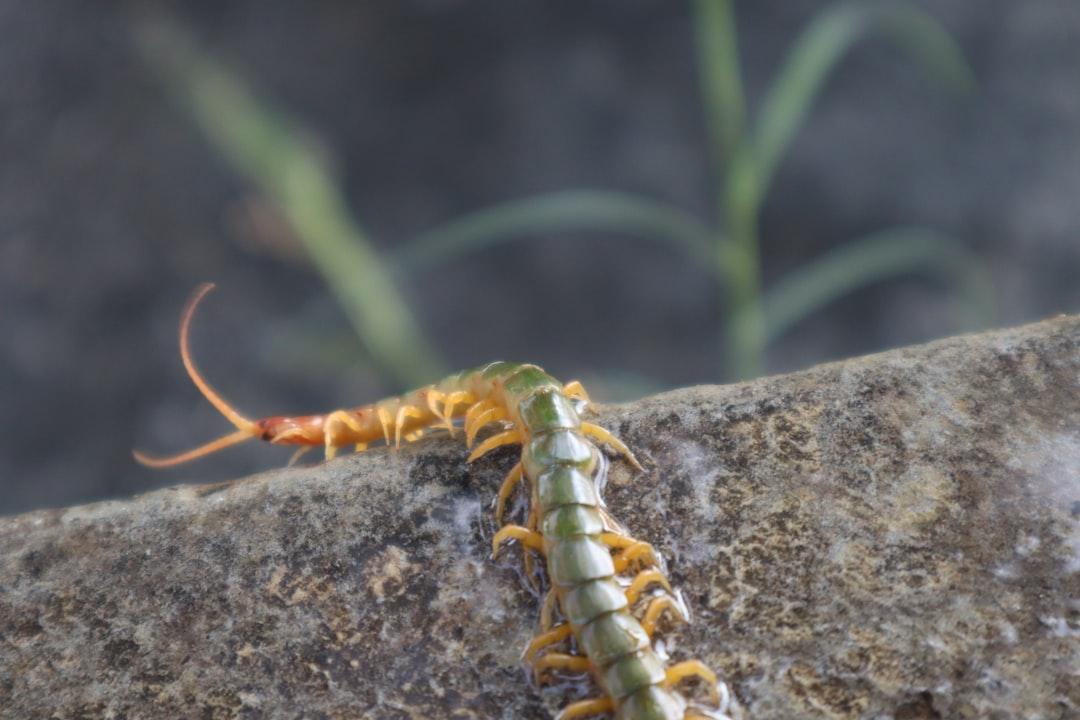
Centipedes are elongated arthropods characterized by one pair of legs per body segment, distinguishing them from millipedes which have two pairs per segment. The house centipede species commonly found in residential areas typically measures several inches in length and moves rapidly across surfaces. These nocturnal hunters feed on other insects including ants, spiders, cockroaches, and silverfish that inhabit similar indoor environments.
Their presence creates anxiety among residents due to their startling appearance and quick movements during night hours. While generally beneficial as natural pest controllers, large populations become problematic when they establish themselves in living spaces and multiply rapidly.
Visual sightings in damp areas such as basements, bathrooms, and utility rooms indicate active populations within the structure. These creatures typically hide during daylight hours in dark cracks, under debris, or behind stored items. Shed exoskeletons and small damage to organic materials may signal established breeding populations.
Increased activity during humid weather patterns or following water intrusion events suggests favorable conditions for population growth. Multiple sightings in different areas of the house usually indicate widespread infestation requiring professional intervention.
Environmental factors within and around residential structures create attractive conditions that encourage centipede invasion. Understanding these attractants enables property owners to implement preventive measures and reduce the likelihood of future problems.
Excessive moisture levels in basements, crawl spaces, and bathrooms provide ideal living conditions for centipedes and their prey. These creatures require humid environments to prevent dehydration and maintain their soft exoskeleton structure. Plumbing leaks, poor ventilation, and inadequate drainage systems contribute to moisture problems that attract various pests.
Damp areas near foundations, under mulch, and around water sources create favorable outdoor habitats adjacent to structures. High humidity levels in indoor spaces encourage pest activity and reproduction cycles that sustain growing populations.
Abundant prey populations within structures provide sufficient food sources to support centipede colonies over extended periods. These predatory arthropods actively hunt flies, termite workers, small bugs, and other household pests that inhabit similar environments. Established ant colonies, spider populations, and various insects create attractive feeding opportunities.
Organic debris, wood particles, and decaying plant matter near structures support diverse insect communities that serve as prey species. Effective centipede control often requires addressing underlying pest problems that provide food sources for these predators.
Small cracks in foundations, gaps around utility penetrations, and spaces beneath doors allow easy access to indoor environments. These flexible creatures can squeeze through surprisingly narrow openings to reach favorable interior conditions. Damaged weatherstripping, loose window frames, and inadequate sealing around pipes create multiple entry opportunities.
Outdoor populations living under stones, leaves, and mulch near building foundations can quickly migrate inside when environmental conditions change. Sealing potential access points represents a critical component of long-term prevention strategies.
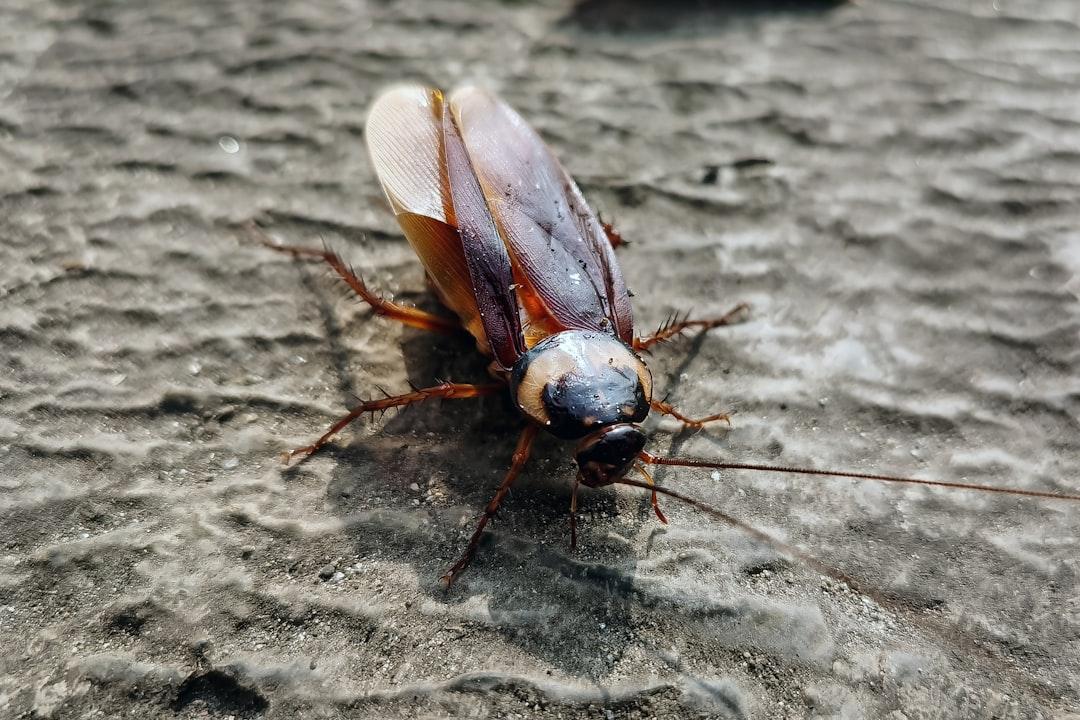
Certain situations require professional intervention to effectively resolve centipede problems and prevent future occurrences. Recognizing these circumstances helps property owners make informed decisions about treatment approaches.
Repeated sightings despite DIY efforts suggest established populations that require specialized treatment approaches. Multiple centipedes appearing in different rooms indicate widespread infestation throughout the structure. Large specimens or unusual species may require expert identification and targeted treatment methods.
Persistent moisture problems, structural issues, or complex entry point situations often exceed typical homeowner capabilities. Professional assessment can identify underlying causes and develop comprehensive management strategies.
Trained technicians possess specialized knowledge about centipede biology, behavior patterns, and effective treatment options. Professional equipment and products provide superior results compared to consumer-grade alternatives. Comprehensive inspection capabilities help identify all problem areas and contributing factors.
Licensed professionals can safely apply restricted-use products in sensitive areas while minimizing risks to humans and pets. Ongoing monitoring and maintenance programs ensure long-term effectiveness and customer satisfaction.
Systematic inspection procedures locate active populations, breeding sites, and contributing environmental factors. Professional identification confirms species type and determines appropriate treatment strategies. Specialized monitoring devices help assess population levels and treatment effectiveness over time.
Targeted application techniques deliver treatments to specific areas where centipedes live and breed. Professional knowledge enables precise timing and placement of control measures for maximum effectiveness while minimizing environmental impact.
Customized treatment strategies address specific conditions and pest pressure levels found at each property. Professional plans typically include both immediate control measures and long-term prevention components. Regular follow-up visits ensure continued effectiveness and allow for program adjustments as needed.
Integrated approaches combining chemical treatments, exclusion work, and environmental modifications provide comprehensive solutions. These targeted plans address root causes rather than just treating symptoms for lasting pest management results.
Professional pest management services utilize systematic approaches based on scientific understanding of centipede biology and environmental requirements. These comprehensive programs address both immediate control needs and long-term prevention objectives.
Thorough property evaluation identifies all areas where centipedes may be living, breeding, or entering the structure. Professional inspectors examine moisture conditions, structural integrity, and potential food sources that support pest populations. Documentation of findings provides the foundation for developing effective treatment recommendations.
Assessment procedures include evaluation of outdoor conditions, interior environments, and structural features that influence pest activity. This comprehensive approach ensures that all contributing factors are identified and addressed in treatment plans.
Treatment plans are developed based on specific conditions found at each property, taking into account pest pressure levels, structural features, and environmental factors. Professional strategies typically combine multiple control methods to achieve optimal results while minimizing environmental impact. Customization ensures that treatments address the unique circumstances present at each location.
Flexible approaches allow for program modifications based on treatment response and changing conditions. This adaptability helps maintain effectiveness over time and addresses seasonal variations in pest activity patterns.
Professional treatments utilize proven products and application techniques that provide superior results while maintaining safety for occupants and pets. Licensed technicians receive extensive training in proper handling and application procedures to minimize risks and maximize effectiveness. Modern treatment methods focus on targeted applications rather than broad-spectrum approaches.
Safety protocols ensure that all treatments meet regulatory standards and industry guidelines. Professional methods balance effectiveness with environmental responsibility to protect both people and beneficial organisms.
Comprehensive programs include prevention measures designed to reduce future pest problems and maintain treatment effectiveness. Long-term solutions address underlying conditions that attract and support centipede populations over time. Ongoing maintenance programs help protect investments in pest control treatments.
Prevention strategies typically include structural modifications, environmental management, and regular monitoring to detect problems before they become established. These proactive approaches reduce the need for intensive treatments and help maintain pest-free conditions.
Centipede activity patterns vary throughout the year based on temperature, humidity, and seasonal changes in prey availability. Understanding these patterns helps optimize treatment timing and prevention strategies.
Spring warming trends increase centipede activity as they search for food and suitable breeding sites. Summer conditions typically support peak populations when prey species are most abundant and reproductive activity is highest. Fall migration patterns often result in increased indoor invasions as outdoor populations seek overwintering sites.
Winter conditions generally reduce activity levels but established indoor populations may remain active throughout cold periods. Heated structures provide favorable conditions for year-round activity in protected environments.
Seasonal maintenance programs address changing conditions and pest pressure levels throughout the year. Spring inspections help identify potential problems before peak activity periods begin. Summer treatments target active populations when control measures are most effective.
Fall prevention work focuses on exclusion and habitat modification to prevent winter invasions. Winter monitoring helps detect indoor populations that may require treatment during inactive periods. Year-round protection requires ongoing attention to changing conditions and pest activity patterns.

Professional centipede control services offer effective solutions for eliminating current infestations and preventing future problems. Expert technicians provide comprehensive assessment, targeted treatments, and ongoing prevention strategies tailored to specific property conditions. Contact qualified pest management professionals to address centipede issues and protect your home from these unwanted invaders.
Timely intervention prevents minor problems from developing into major infestations requiring more extensive treatment efforts. Professional expertise ensures safe, effective control while minimizing disruption to daily activities and protecting family members from pest-related concerns.
| Treatment Type | Effectiveness | Duration | Best For |
|---|---|---|---|
| Professional Chemical Treatment | High | 3-6 months | Established infestations |
| DIY Traps and Sprays | Low-Medium | 1-4 weeks | Minor problems |
| Exclusion and Sealing | High | 1-2 years | Prevention |
| Environmental Modification | Medium-High | Ongoing | Long-term management |