Drain Flies in Dubai
Drain Flies in Dubai
Drain flies in Dubai usually come from buildup inside floor traps, drains, and wet service areas. This is an on-site service with a technician, not a product sale: the visit focuses on finding the bre...
Frequently asked questions
Drain Flies in Dubai in Dubai
Drain flies in Dubai usually come from buildup inside floor traps, drains, and wet service areas. This is an on-site service with a technician, not a product sale: the visit focuses on finding the breeding source and treating it directly. You’ll get practical aftercare steps to keep drains clean and
You are here
Customer reviews
7.0K reviews
John D.
December 2025
Excellent and very professional service
Sarah M.
December 2025
Very good service
Mike R.
December 2025
Very professional service.
Emma L.
December 2025
Friendly and efficient
What are Drain Flies? Understanding the Pests in Your UAE Home
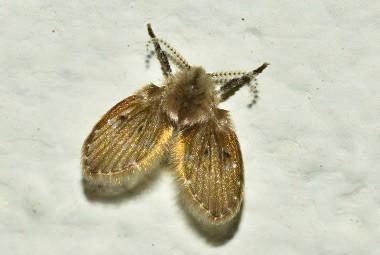
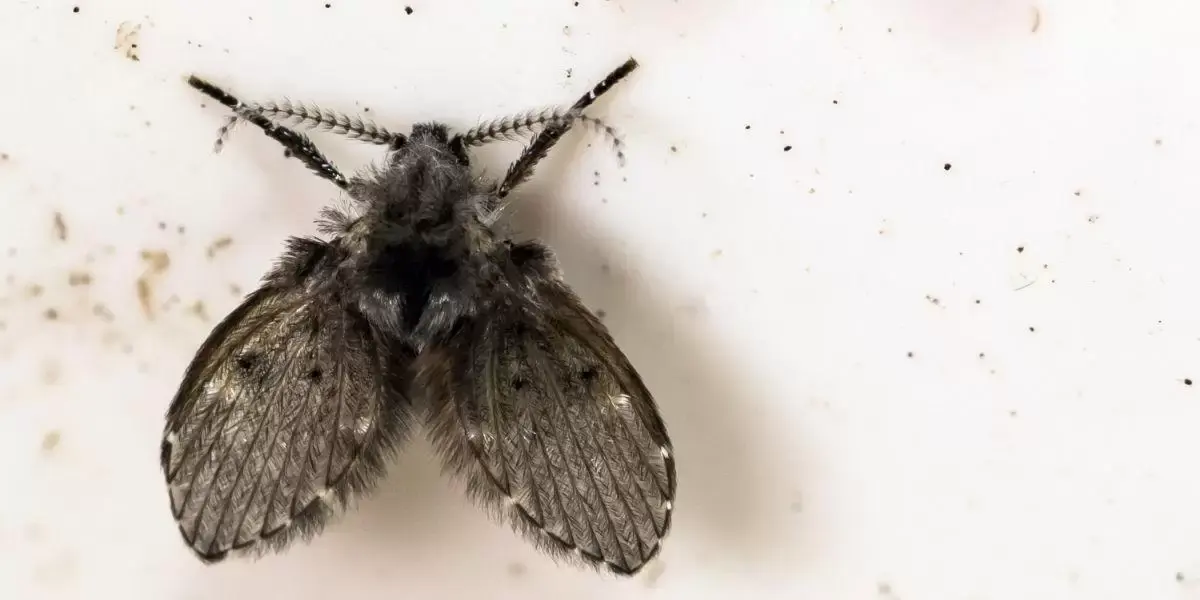
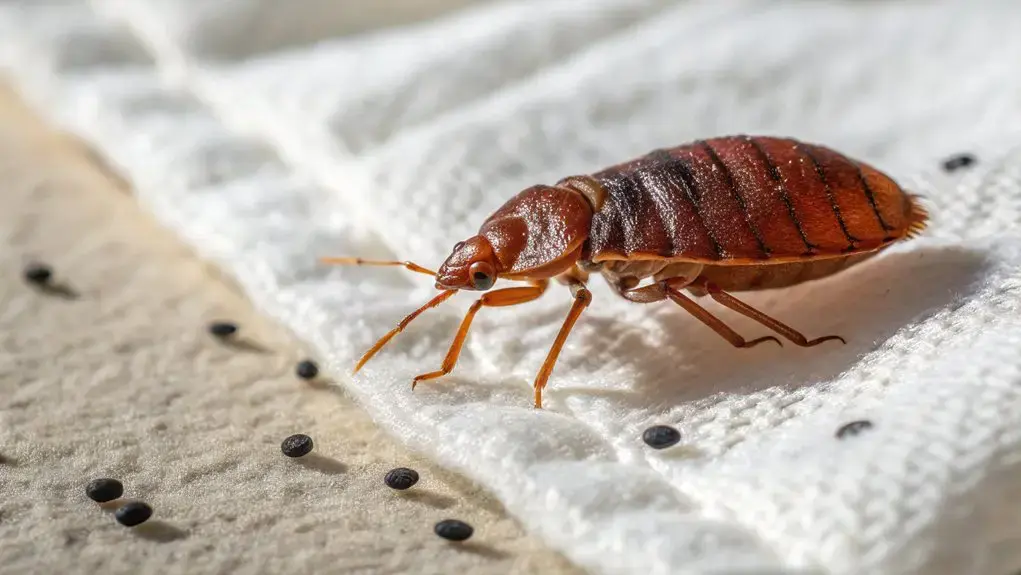
Drain flies, also known as moth flies, are small winged insects that measure approximately 1-5 millimeters in length. These pests commonly inhabit areas with decaying organic matter and moist conditions. They appear fuzzy due to tiny hairs covering their wings and body.
Unlike fruit flies or house flies, drain flies have a distinctive moth-like appearance when at rest. Their wings fold tent-like over their bodies, making them easy to distinguish from other flying insects. These pests typically emerge from drains, sewage systems, and septic tanks where larvae develop.
Identifying Drain Flies: Appearance and Characteristics
Adult drain flies have dark gray or black coloration with fuzzy wings that contain visible veins. They move in short, erratic flights rather than the steady patterns of other fly species. Their antennae are long relative to their body size, and they possess prominent eyes.
These insects are usually found near their breeding source, which helps distinguish them from other common household pests. When disturbed, they tend to hop or make brief flights before settling on nearby walls or surfaces. The small size makes them difficult to spot without close observation.
Where Do Drain Flies Come From in the UAE?
Drain flies originate from areas where organic waste accumulates and decomposes in moist environments. Kitchen drains, bathroom drains, and floor drains provide ideal breeding grounds for these insects. Sewage treatment facilities and garbage disposal areas also serve as potential sources.
The larvae develop in the biofilm that forms inside drain pipes and around drain openings. This organic layer provides both food and shelter for developing insects. Poor sanitation practices and inadequate cleaning of drainage systems contribute to their spread throughout residential and commercial properties.
What Attracts Drain Flies? Diet and Breeding Habits
These insects feed on decaying organic matter, bacteria, and algae found in drains and similar environments. Food particles that accumulate in sink drains create an abundant food source for both larvae and adult insects. Grease buildup and soap residue also provide nutrition for developing populations.
Female drain flies lay eggs in clusters within the organic matter lining drain pipes. A single female can produce dozens of eggs during her lifetime. The entire life cycle from egg to adult typically takes 1-3 weeks, depending on temperature and environmental conditions.