Loading...

Fire ants pest control in the UAE is an on-site service with a technician, not a product sale. The visit targets nest locations and activity zones in gardens, lawns, planters, and building perimeters,...
Fire ants pest control in the UAE is an on-site service with a technician, not a product sale. The visit targets nest locations and activity zones in gardens, lawns, planters, and building perimeters, where stings are a common concern. Treatment is applied in a focused way to reduce colonies and lim
7.0K reviews
December 2025
Excellent and very professional service
December 2025
Very good service
December 2025
Very professional service.
December 2025
Friendly and efficient

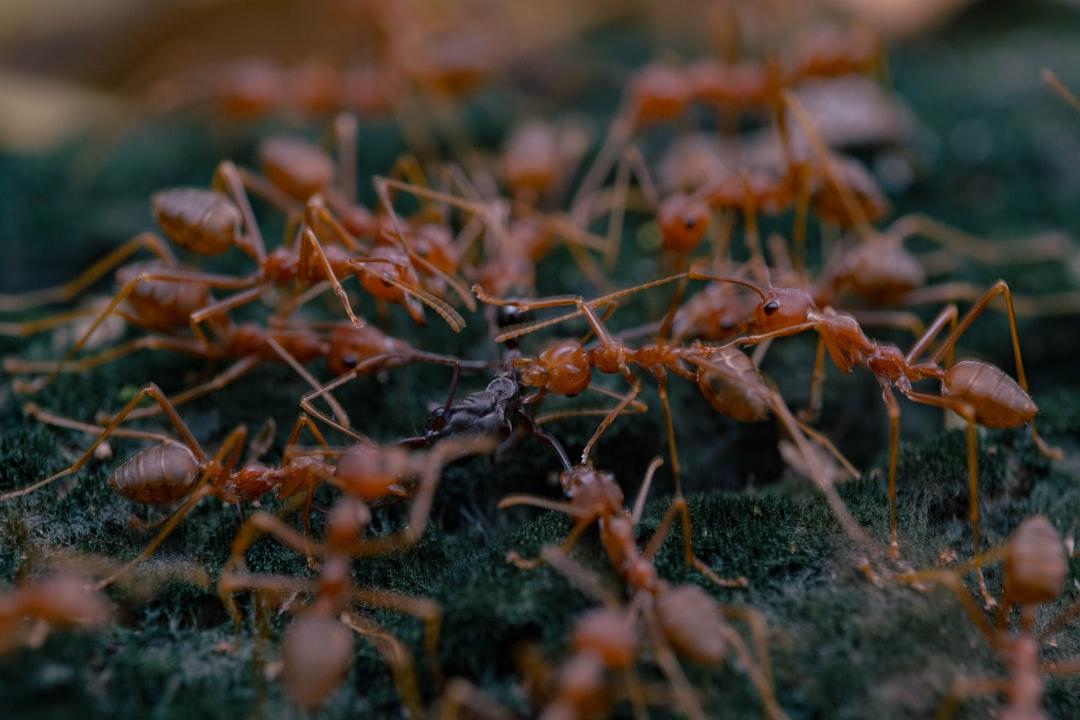
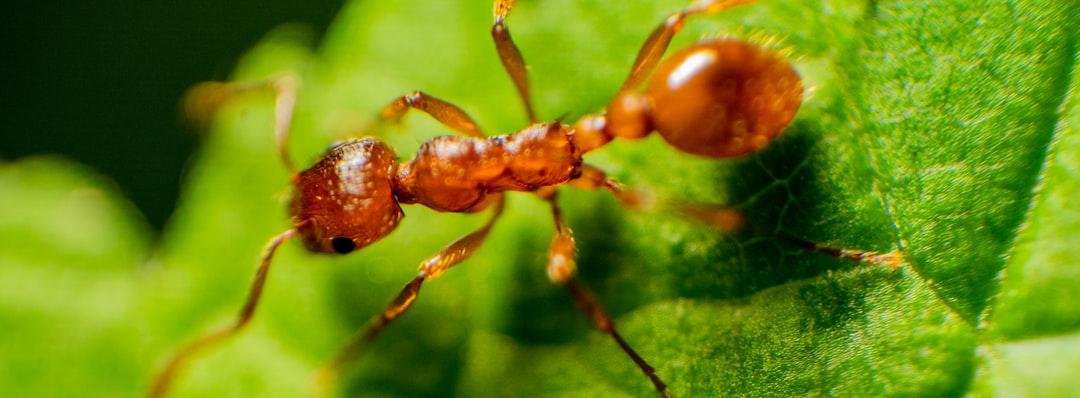
Fire ants are small, aggressive insects known for their painful sting and reddish-brown coloration. These social insects live in organized colonies with a clear hierarchy including worker ants, reproductive ants, and a queen. Fire ants typically measure between 2-6 millimeters in length and are highly territorial when their nest is threatened.
Red imported fire ants display distinctive physical features that help distinguish them from other ant species. Worker ants range from small to medium size with a reddish-brown to black coloration. Their bodies have a distinctive two-segment waist and prominent mandibles used for carrying food and defending the colony.
These insects can be identified by their aggressive behavior when the mound is disturbed. Fire ants will swarm quickly and attack in large numbers, delivering multiple stings that create a burning sensation.
Red imported fire ants originated in South America and were accidentally introduced to other regions through shipping and commerce. These invasive species have spread rapidly due to their adaptability and lack of natural predators in new environments. The imported fire ant species has established colonies in various climates and soil types.
Fire ant colonies operate as complex social systems with distinct roles for different ant types. The queen produces eggs continuously, while worker ants gather food, maintain the nest, and protect the colony from threats. Fire ants are active year-round in warm climates and typically forage during cooler parts of the day.
The life cycle includes egg, larval, pupal, and adult stages, with development time varying based on environmental conditions. Colonies can contain multiple queens and hundreds of thousands of workers, making complete elimination challenging without professional intervention.
Fire ant infestations pose serious risks to human health, pets, and property. Understanding these dangers helps property owners recognize when professional pest control services become necessary.
Fire ants deliver painful stings that can cause severe reactions in sensitive individuals. The sting typically results in immediate burning pain followed by the formation of pustules that can become infected if not properly treated. People with allergies to fire ant venom may experience serious systemic reactions requiring medical attention.
Pets are particularly vulnerable as they may disturb mounds while playing or exploring outdoors. Dogs and cats can suffer multiple stings that cause significant pain and potential health complications.
Fire ants create numerous problems for residential and commercial properties beyond their painful stings. These pests can damage electrical equipment by nesting near wiring and utility boxes. Large mounds can also damage lawns, gardens, and landscaping while creating unsightly areas on the property.
Business operations may be disrupted when fire ant colonies establish near high-traffic areas or outdoor spaces used by employees and customers.
Fire ants prefer specific environmental conditions when selecting nesting sites. These locations typically provide adequate moisture, food sources, and protection from extreme weather conditions.
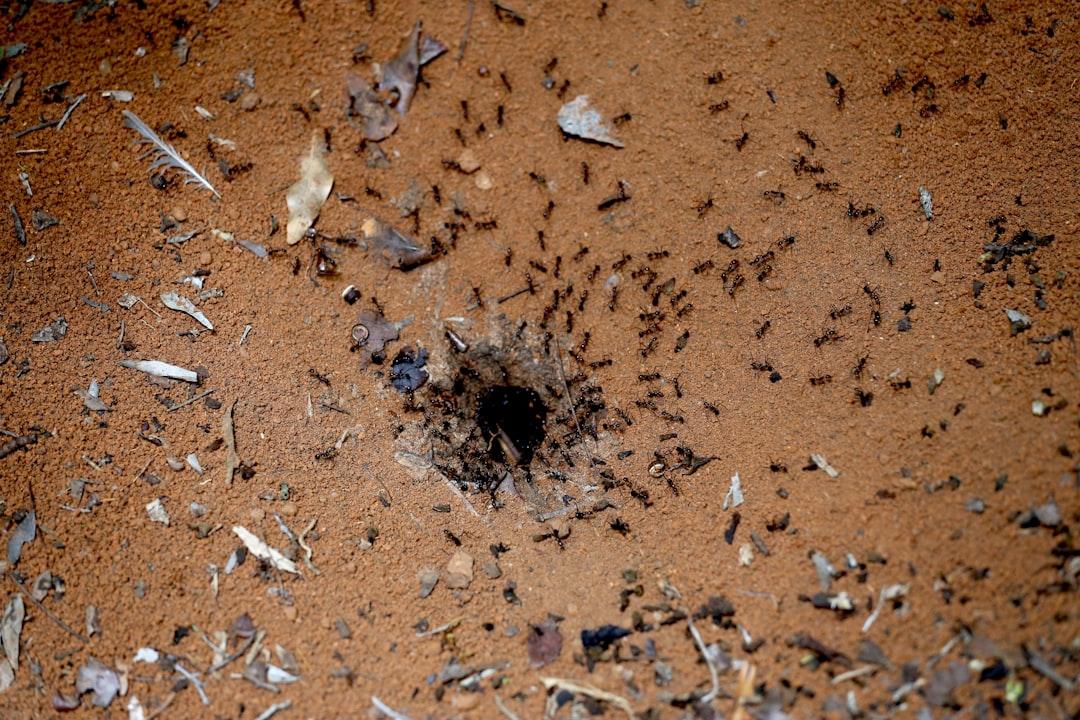
Fire ant mounds are distinctive dome-shaped structures built from excavated soil. These nests can extend several feet underground with complex tunnel systems connecting multiple chambers. The visible mound represents only a small portion of the actual colony structure.
Common nesting areas include open lawns, near sidewalks and driveways, around trees and shrubs, and close to water sources. Fire ants may also establish satellite colonies inside buildings when environmental conditions are suitable.

Successful fire ant control requires comprehensive strategies that target both visible mounds and hidden colony networks. Professional pest control approaches combine multiple treatment methods for optimal results.
Professional pest control services possess the expertise and specialized products necessary for effective fire ant elimination. These professionals understand fire ant behavior patterns and can identify all colony locations on a property. Professional treatment typically provides longer-lasting results compared to DIY methods.
Effective ant control strategies utilize integrated pest management principles combining multiple treatment techniques. These approaches target different aspects of fire ant colony structure and behavior patterns.
This systematic approach combines broadcast bait applications with individual mound treatments for comprehensive control. The first step involves applying granular baits across the entire treatment area to target foraging workers. Individual mound treatments follow to eliminate specific colonies and provide immediate knockdown of active nests.
Direct mound applications target specific fire ant colonies with fast-acting contact insecticides. These treatments provide quick elimination of visible colonies but may not address satellite nests or newly established mounds. Professional technicians typically use specialized equipment for precise application to the nest structure.
Granular baits contain slow-acting insecticides that workers carry back to the colony to share with other ants including the queen. This method can eliminate entire colonies over time as the active ingredient spreads throughout the social network. Baits work most effectively when fire ants are actively foraging for food.
Injection treatments deliver liquid insecticides directly into the nest structure through specialized equipment. This method provides rapid control of large colonies and can be effective against deep underground nests. Professional application ensures proper penetration into the colony chambers where the queen resides.
Broadcast applications of residual insecticides create protective barriers that kill fire ants over extended periods. These treatments can prevent new infestations and provide ongoing control when combined with other methods. Professional application ensures proper coverage and reduces environmental impact.
Environmental-conscious pest control methods minimize impact on beneficial insects and ecosystem health while still providing effective fire ant management.
Low-toxicity baits utilize naturally derived active ingredients or reduced-risk synthetic compounds. These products typically have minimal environmental impact while still providing effective colony elimination. Organic bait formulations may take longer to achieve complete control but offer safer options for sensitive environments.
Physical control methods include pouring hot water directly on mounds or mechanically removing nest structures. While these techniques can kill ants in treated mounds, they rarely eliminate entire colonies and may cause ants to relocate. Multiple applications are typically necessary for any measurable impact.
Biological control utilizes natural enemies or pathogens to reduce fire ant populations over time. These methods work slowly but can provide long-term suppression of fire ant numbers. Research continues into expanding biological control options for integrated management programs.
Many commonly suggested home remedies fail to eliminate fire ant colonies and may actually cause them to relocate. Treatments such as grits, instant rice, or household chemicals typically provide little to no control. These methods waste time and resources while allowing infestations to continue growing.
Prevention strategies focus on making properties less attractive to fire ants and reducing conditions that support colony establishment.
Sealing entry points around foundations, doors, and windows helps prevent fire ants from establishing indoor colonies. Regular cleaning removes food sources that attract foraging workers into structures. Maintaining dry conditions in basements and crawl spaces reduces suitable nesting habitat inside buildings.
Landscape management practices can reduce fire ant establishment in outdoor areas. Regular lawn maintenance and removal of debris eliminates potential nesting sites. Proper irrigation management prevents overly moist soil conditions that fire ants prefer for nest construction.
Product selection depends on the specific situation, environmental considerations, and desired speed of control. Professional pest control services can recommend appropriate products for each unique infestation.
Effective granular bait products contain slow-acting insecticides that allow workers time to share the active ingredient throughout the colony. These products should be applied when fire ants are actively foraging for food. Professional application ensures proper timing and coverage for optimal results.
Gel formulations provide targeted application for indoor treatments or sensitive outdoor areas. These products can be placed directly on foraging trails or near entry points. Professional technicians understand proper placement techniques to maximize gel bait effectiveness.
Certain products may provide temporary results but fail to eliminate entire colonies. Fast-acting contact sprays often cause colony relocation rather than elimination. Home remedy treatments typically lack scientific support and may be completely ineffective against established fire ant infestations.