Loading...

Flea pest control in the UAE is an on-site service performed by an exterminator, not a product sale. Treatment focuses on where fleas and eggs build up: carpets, rugs, sofas, bedding, and pet resting ...
Flea pest control in the UAE is an on-site service performed by an exterminator, not a product sale. Treatment focuses on where fleas and eggs build up: carpets, rugs, sofas, bedding, and pet resting areas. You’ll get clear preparation steps (especially for pets and vacuuming) plus aftercare guidanc
7.0K reviews
December 2025
Excellent and very professional service
December 2025
Very good service
December 2025
Very professional service.
December 2025
Friendly and efficient

Fleas represent one of the most challenging pests to eliminate due to their complex biology and resilience. These parasitic insects have evolved sophisticated mechanisms for survival and reproduction. Understanding their characteristics helps property owners recognize the importance of professional intervention.
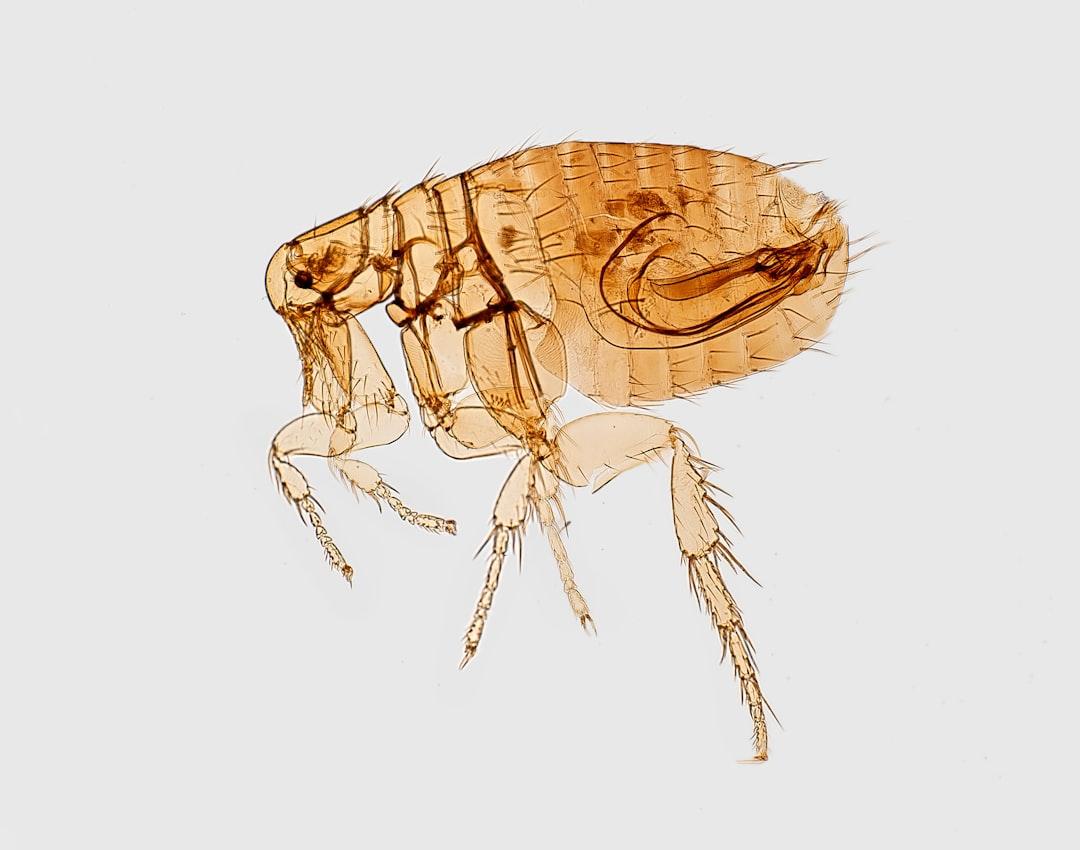
Fleas are small, wingless insects that feed on the blood of mammals and birds. These parasitic pests measure approximately 1-3 millimeters in length and possess powerful hind legs designed for jumping. Their flattened bodies allow them to move easily through animal fur and human hair.
The insects have specialized mouthparts for piercing skin and extracting blood from their hosts. Fleas can survive for extended periods without feeding, making them particularly difficult to eliminate from infested areas.
The flea life cycle consists of four distinct stages that span several weeks to months depending on environmental conditions. Adult fleas lay eggs on their host, which then fall into carpets, bedding, and other areas where pets spend time. These eggs hatch into larvae within 2-12 days under favorable conditions.
Larvae develop through three stages before pupating in cocoons, where they remain until environmental triggers stimulate emergence as adults. This complete metamorphosis makes professional treatment essential for breaking the reproductive cycle.
Several flea species commonly infest properties throughout the UAE, with cat fleas being the most prevalent. These pests readily bite humans and can establish populations on various animal hosts including dogs, cats, and wild animals. Dog fleas represent another common species found in residential areas.
The hot climate of the region creates favorable conditions for rapid flea reproduction and development. Indoor environments with controlled temperatures provide year-round breeding opportunities for these persistent insects.
Flea bites cause immediate irritation and can lead to secondary infections from scratching. Humans typically experience red, itchy welts that appear in clusters on ankles, legs, and other exposed areas. Pets suffer from intense itching that can result in hair loss, skin lesions, and allergic dermatitis.
Some individuals develop flea allergy dermatitis, a condition characterized by severe skin reactions to flea saliva. Young children and elderly people face increased health risks from flea infestations due to their sensitive immune systems.
Fleas serve as vectors for various diseases that can affect both humans and animals. These parasites historically transmitted plague and continue to spread typhus, cat scratch disease, and tapeworm infections. Regular flea control measures help prevent the transmission of these serious health conditions.
Pet owners should be particularly aware of the risk of tapeworm transmission, as fleas serve as intermediate hosts for these intestinal parasites. Professional pest management reduces disease transmission risks through comprehensive elimination strategies.
Professional intervention becomes necessary when dealing with established flea populations due to the complex nature of these infestations. DIY methods often fail to address all life stages and environmental factors that contribute to persistent problems. Trained technicians possess the expertise and specialized products required for complete eradication.
Over-the-counter flea control products typically provide only temporary relief and fail to eliminate all life stages present in the environment. Home remedies lack the residual effectiveness needed to break the reproductive cycle of these persistent pests. Many DIY approaches focus solely on adult fleas while ignoring the larger population of developing larvae and pupae.
Improper application of store-bought treatments can lead to repeated infestations and increased resistance to available products. The time and cost associated with multiple failed attempts often exceed the investment in professional service.
Professional pest control technicians employ integrated approaches that target all flea life stages simultaneously. These experts understand the biology and behavior patterns necessary for effective treatment strategies. Advanced products and application methods available to licensed professionals provide superior results compared to consumer-grade options.
Comprehensive treatment protocols address both indoor and outdoor environments where fleas develop and reproduce. Professional assessment identifies specific factors contributing to infestations and develops customized solutions for each property.
Property owners should contact pest control professionals when flea problems persist despite initial treatment attempts. Multiple pets in the household or recurring bites on family members indicate established populations requiring expert intervention. Commercial properties face additional challenges due to larger areas and higher potential for reinfestation.
Emergency situations involving severe allergic reactions or rapid population growth demand immediate professional attention. Early intervention prevents minor problems from developing into major infestations that require extensive treatment protocols.
Professional flea control services in Dubai address the unique challenges posed by the regional climate and urban environment. Comprehensive treatment programs combine multiple approaches to ensure effective elimination and long-term prevention. These services adapt to various property types and infestation severity levels.
Residential and commercial properties require different treatment approaches based on occupancy patterns and environmental factors. Home treatments focus on areas where pets spend time, including bedding, carpets, and furniture where flea development occurs. Office environments may require discrete application methods that minimize disruption to business operations.
Treatment protocols consider the specific needs of each property type while ensuring safety for occupants and pets. Flexible scheduling accommodates residential and commercial requirements for convenient service delivery.
Modern flea control methods prioritize safety while maintaining effectiveness against target pests. Eco-friendly products minimize environmental impact and reduce exposure risks for building occupants. Low-toxicity formulations provide effective results without compromising indoor air quality or safety standards.
Integrated pest management principles emphasize prevention and targeted treatment approaches that reduce chemical dependency. These methods align with sustainability goals while delivering reliable flea elimination results.
Integrated pest management combines multiple control methods for comprehensive flea elimination and prevention. These strategies incorporate biological, physical, and chemical controls tailored to specific infestation characteristics. Environmental modifications complement chemical treatments to create unfavorable conditions for flea development.
Regular monitoring and assessment ensure treatment effectiveness and identify areas requiring additional attention. This systematic approach provides long-term solutions that prevent recurring infestations.
Coordinated treatment approaches address both pet and environmental aspects of flea infestations simultaneously. Pet treatment recommendations work in conjunction with premises applications to eliminate all life stages present. Specialized products designed for different surfaces and areas ensure comprehensive coverage throughout the property.
Treatment timing synchronizes pet and environmental applications for maximum effectiveness against developing flea populations. Professional guidance helps property owners coordinate efforts for optimal results.
The professional flea control process follows systematic steps designed to ensure complete elimination and prevent reinfestation. Each phase addresses specific aspects of the infestation while building toward comprehensive resolution. This methodical approach maximizes treatment effectiveness and provides lasting results.
Thorough inspection identifies the extent and characteristics of flea infestations throughout the property. Trained technicians examine all potential breeding and harboring areas including carpets, pet bedding, and outdoor spaces. This assessment determines the treatment approach and identifies contributing factors that must be addressed.
Inspection results guide treatment planning and help establish realistic expectations for elimination timelines. Documentation of findings provides a baseline for measuring treatment progress and success.
Custom treatment plans address the specific conditions and requirements of each property and infestation. These plans consider factors such as pet populations, environmental conditions, and occupancy patterns that influence treatment strategies. Tailored approaches ensure optimal resource allocation and treatment effectiveness.
Treatment schedules coordinate with property owner availability and minimize disruption to normal activities. Clear communication establishes expectations and responsibilities for all parties involved in the elimination process.
Professional application of treatments targets specific life stages and harboring areas identified during assessment. Specialized equipment ensures proper coverage and penetration into areas where fleas develop and reproduce. Treatment methods vary based on surface types and environmental conditions present at each location.
Application techniques maximize contact with target pests while minimizing exposure to non-target organisms. Professional expertise ensures safe and effective product deployment throughout the treatment area.
Follow-up visits monitor treatment effectiveness and identify any remaining flea activity requiring additional attention. Regular assessment during the post-treatment period ensures complete elimination and prevents population recovery. Monitoring protocols track progress and adjust strategies as needed for optimal results.
Documentation of post-treatment findings provides valuable information for future prevention strategies. Client communication during this phase maintains awareness of treatment progress and expectations.
Prevention strategies help maintain flea-free conditions after successful elimination treatments. These measures include environmental modifications, maintenance recommendations, and ongoing monitoring protocols. Preventive approaches reduce the likelihood of reinfestation and extend the benefits of professional treatment.
Client education ensures understanding of factors that contribute to flea problems and steps that can be taken to minimize risks. Long-term prevention plans provide ongoing support for maintaining pest-free environments.
Professional pest control services provide expertise, resources, and guarantee standards that ensure effective flea elimination. Experienced technicians understand the complex challenges associated with flea infestations and employ proven strategies for resolution. Quality service delivery includes comprehensive assessment, treatment, and follow-up support.
Certified technicians possess the training and experience necessary for effective flea control in diverse environments. Ongoing education ensures awareness of the latest treatment methods and safety protocols. Professional expertise enables accurate assessment and implementation of appropriate control strategies for each unique situation.
Technical knowledge combined with practical experience provides the foundation for successful flea elimination programs. Qualified personnel deliver consistent results through proven treatment approaches.
Municipality approved treatment methods and products ensure compliance with local regulations and safety standards. These approved solutions meet rigorous testing requirements for effectiveness and environmental safety. Regulatory compliance provides assurance of quality and reliability in pest control applications.
Official approval status demonstrates commitment to professional standards and responsible pest management practices. Clients benefit from treatments that meet established criteria for safety and effectiveness.
Flexible service availability accommodates urgent situations that require immediate attention and response. Emergency protocols ensure rapid deployment of treatment resources when time-sensitive situations arise. Responsive service delivery minimizes the impact of severe infestations on property occupants.
Extended service hours provide options for clients with scheduling constraints or urgent treatment needs. Professional availability ensures access to expert assistance when pest problems demand immediate intervention.
Professional treatment approaches provide superior value through effective elimination and reduced likelihood of recurring problems. Comprehensive strategies address root causes rather than providing temporary symptom relief. Long-term effectiveness reduces the total cost of flea control over time compared to repeated DIY attempts.
Investment in professional services includes expertise, specialized products, and follow-up support that maximize treatment success. Cost-effective solutions deliver lasting results that justify the initial service investment.
Effective prevention strategies reduce the risk of flea infestations and maintain the benefits of professional treatment. Environmental management and regular maintenance create conditions unfavorable for flea development and reproduction. Proactive measures help property owners avoid the problems and costs associated with established infestations.
Regular pet grooming and preventive treatments form the foundation of effective flea prevention programs. Veterinary-recommended flea prevention products provide ongoing protection against infestation establishment. Consistent grooming helps detect early signs of flea presence before populations become established.
Pet bedding requires regular cleaning and maintenance to prevent flea development in these preferred harboring areas. Professional advice helps pet owners select appropriate prevention strategies for their specific circumstances and pet populations.
Environmental cleanliness reduces favorable conditions for flea development and limits available food sources. Regular cleaning removes organic debris that supports larval development in carpets and other areas. Outdoor maintenance includes vegetation management and elimination of wildlife harboring sites that contribute to flea problems.
Sanitation practices target areas where flea eggs and larvae develop, interrupting the reproductive cycle before populations become established. Consistent maintenance routines prevent environmental conditions that support flea infestations.
Frequent vacuuming removes flea eggs, larvae, and adult insects from carpets, upholstery, and other fabric surfaces. This physical removal method reduces population numbers and eliminates developmental stages before they reach maturity. Proper disposal of vacuum contents prevents reinfestation from collected materials.
Fabric cleaning including washing pet bedding, curtains, and other textiles in hot water eliminates flea life stages and removes attractive conditions. Regular cleaning schedules maintain low-risk conditions and support ongoing prevention efforts.
Professional assessment provides accurate cost estimates and treatment recommendations for flea control needs. Property evaluation identifies specific conditions and requirements that influence treatment approaches and pricing. Free quotes help property owners make informed decisions about pest control investments.
Contact information and scheduling options provide convenient access to professional consultation and service booking. Expert advice helps determine appropriate treatment strategies and prevention measures for specific situations and requirements.
Comprehensive service information includes treatment options, timeline expectations, and follow-up support available for flea control programs. Professional consultation ensures understanding of available solutions and expected outcomes for each treatment approach.