Mealybugs Pest Control
Mealybugs Pest Control
Mealybugs pest control in the UAE is an on-site service carried out by a technician, not a product sale. The visit focuses on inspecting indoor plants, balconies, gardens, and landscaped areas to conf...
Frequently asked questions
Mealybugs Pest Control in Dubai
Mealybugs pest control in the UAE is an on-site service carried out by a technician, not a product sale. The visit focuses on inspecting indoor plants, balconies, gardens, and landscaped areas to confirm the infestation and identify spread. Treatment is applied in a targeted way based on the plant t
You are here
Customer reviews
7.0K reviews
John D.
December 2025
Excellent and very professional service
Sarah M.
December 2025
Very good service
Mike R.
December 2025
Very professional service.
Emma L.
December 2025
Friendly and efficient



What are mealybugs?
Understanding the mealybug
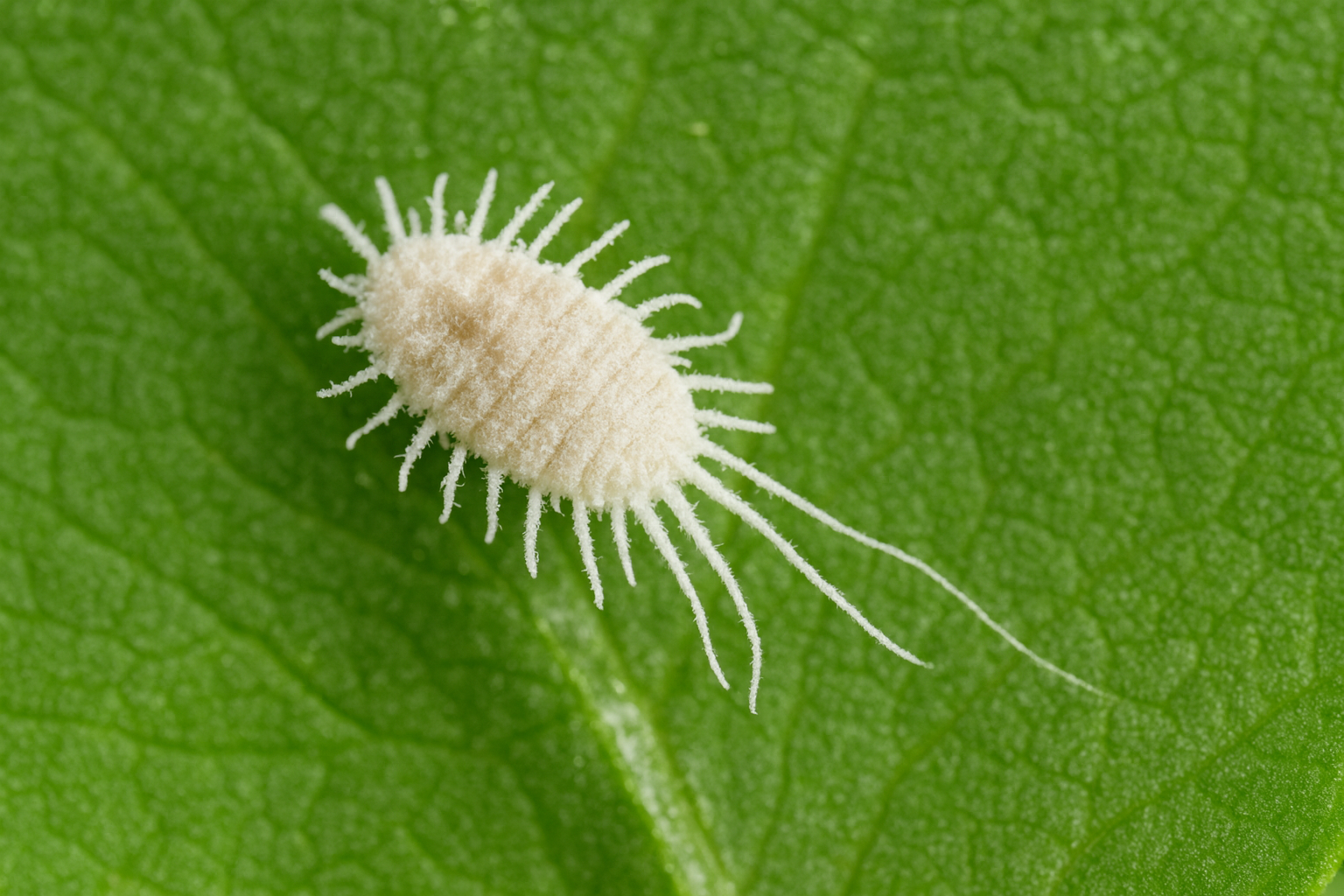
Mealybugs are small, soft-bodied insects covered in a white waxy substance that resembles cotton. These pests belong to the scale insect family and measure approximately 2-5 millimeters in length. The white coating protects them from environmental factors and makes them appear fuzzy or mealy in texture.
Female mealybugs remain stationary once they find a suitable feeding location on plants. They insert their needle-like mouthparts into plant tissue to extract sap, which provides essential nutrients for their survival and reproduction. Male mealybugs develop wings and are responsible for locating females for mating purposes.
Common types of mealybugs
Several species of mealybugs commonly attack both indoor and outdoor plants. The citrus mealybug frequently infests fruit trees and ornamental plants, while the long-tailed mealybug prefers houseplants and greenhouse environments. Root mealybugs live in soil and attack plant root systems, making them particularly difficult to detect and control.
Each species exhibits slightly different characteristics and feeding preferences. Understanding the specific type helps determine the most effective treatment approach for successful pest management. Plant owners should inspect their vegetation regularly to identify early signs of any mealybug infestation.
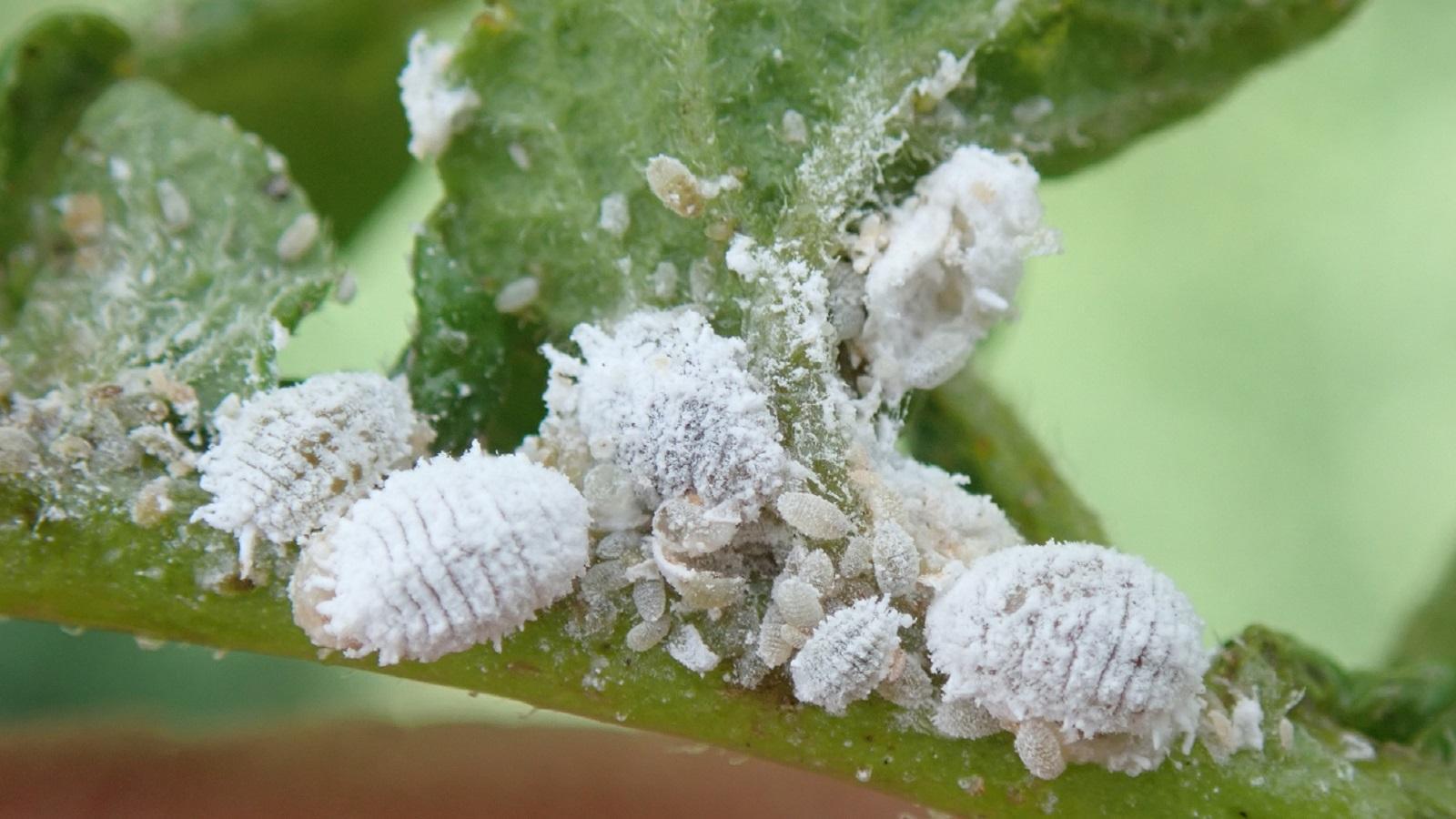
Identifying mealybug infestations
Signs of mealybugs on plants
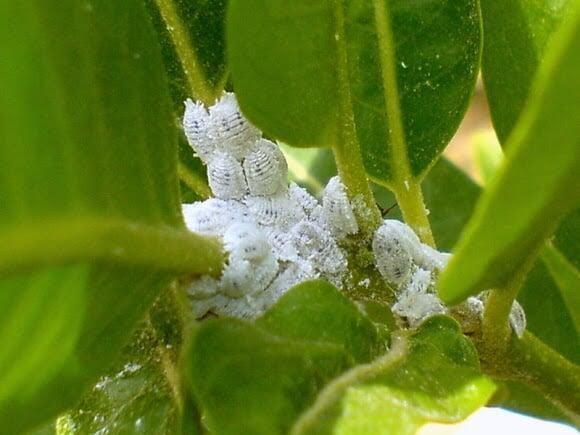
The primary indicator of mealybug presence is the appearance of white, cotton-like masses on leaves and stems. These clusters typically concentrate around leaf joints, stem crevices, and flower buds where the insects gather to feed. Fresh infestations may start with just a few individuals before expanding into larger colonies.
Close inspection reveals individual bugs moving slowly across plant surfaces. The sticky honeydew produced by feeding mealybugs creates shiny spots on leaves and surrounding surfaces. This substance often attracts ants, which can indicate an active mealybug problem even when the insects themselves remain hidden.
Mealybug damage symptoms
Plants affected by mealybug infestations exhibit yellowing leaves that may eventually drop from the plant. Stunted growth occurs as the pests drain vital nutrients from the plant tissue. Weakened plants become more susceptible to secondary problems including fungal diseases and other pest invasions.
The honeydew secreted by mealybugs can lead to sooty mold development on leaf surfaces. This black, powdery substance blocks light from reaching the leaves, further compromising plant health. Severe infestations may cause branch dieback and overall plant decline if left untreated for extended periods.
Where to look for mealybugs
Mealybugs prefer protected areas on plants where they can feed undisturbed. Common hiding spots include leaf axils, stem joints, and the undersides of leaves where detection proves more challenging. Indoor plants often harbor these pests in pot drainage holes and around the soil surface.
Outdoor plants may show infestations in bark crevices, fruit clusters, and areas where branches intersect. Regular monitoring of these vulnerable locations helps identify problems early when treatment proves most effective. Gardeners should check new plants thoroughly before introducing them to established collections.