Pantry Moths Pest Control
Pantry Moths Pest Control
Pantry moths pest control in the UAE is an on-site service performed by an exterminator, not a product sale. The visit focuses on identifying the source in dry food storage (rice, flour, cereals, spic...
Frequently asked questions
Pantry Moths Pest Control in Dubai
Pantry moths pest control in the UAE is an on-site service performed by an exterminator, not a product sale. The visit focuses on identifying the source in dry food storage (rice, flour, cereals, spices), checking cupboards and cracks, and treating key hotspots.
You are here
Customer reviews
7.0K reviews
John D.
December 2025
Excellent and very professional service
Sarah M.
December 2025
Very good service
Mike R.
December 2025
Very professional service.
Emma L.
December 2025
Friendly and efficient



Understanding Pantry Moths: Identification and Signs of Infestation
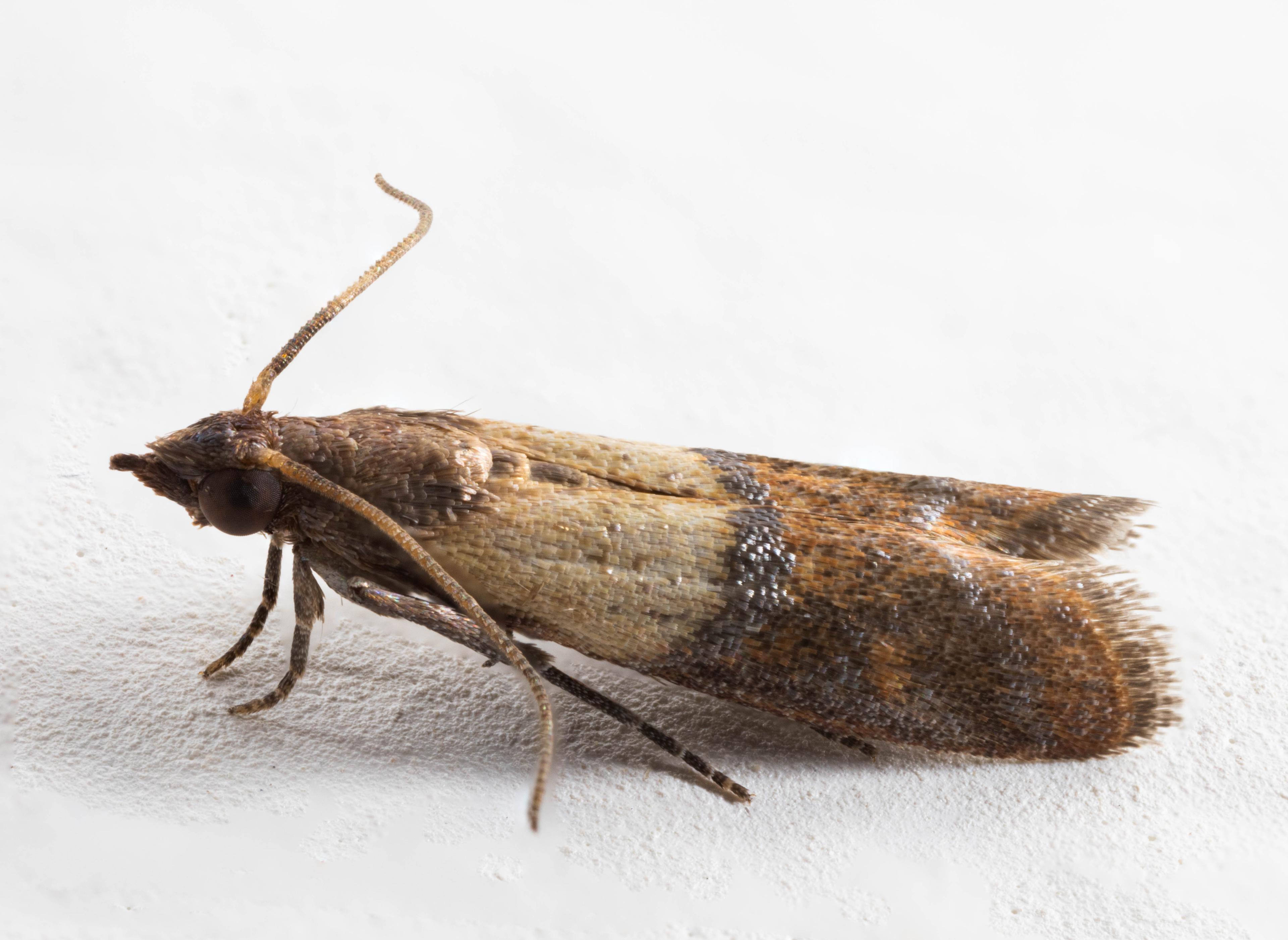
Proper identification of pantry moth species is crucial for successful pest control measures. The most common household variety is the indian meal moth, which targets stored food products. These pests can establish breeding cycles that persist for extended periods without intervention.
What do pantry moths look like?
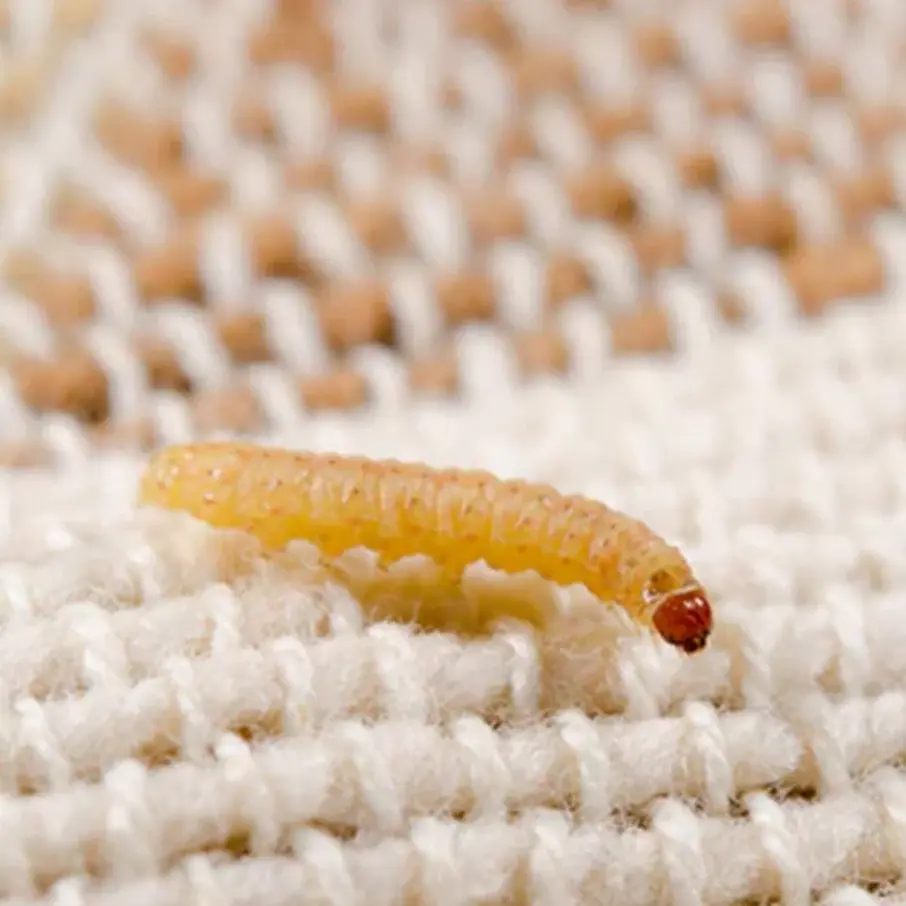
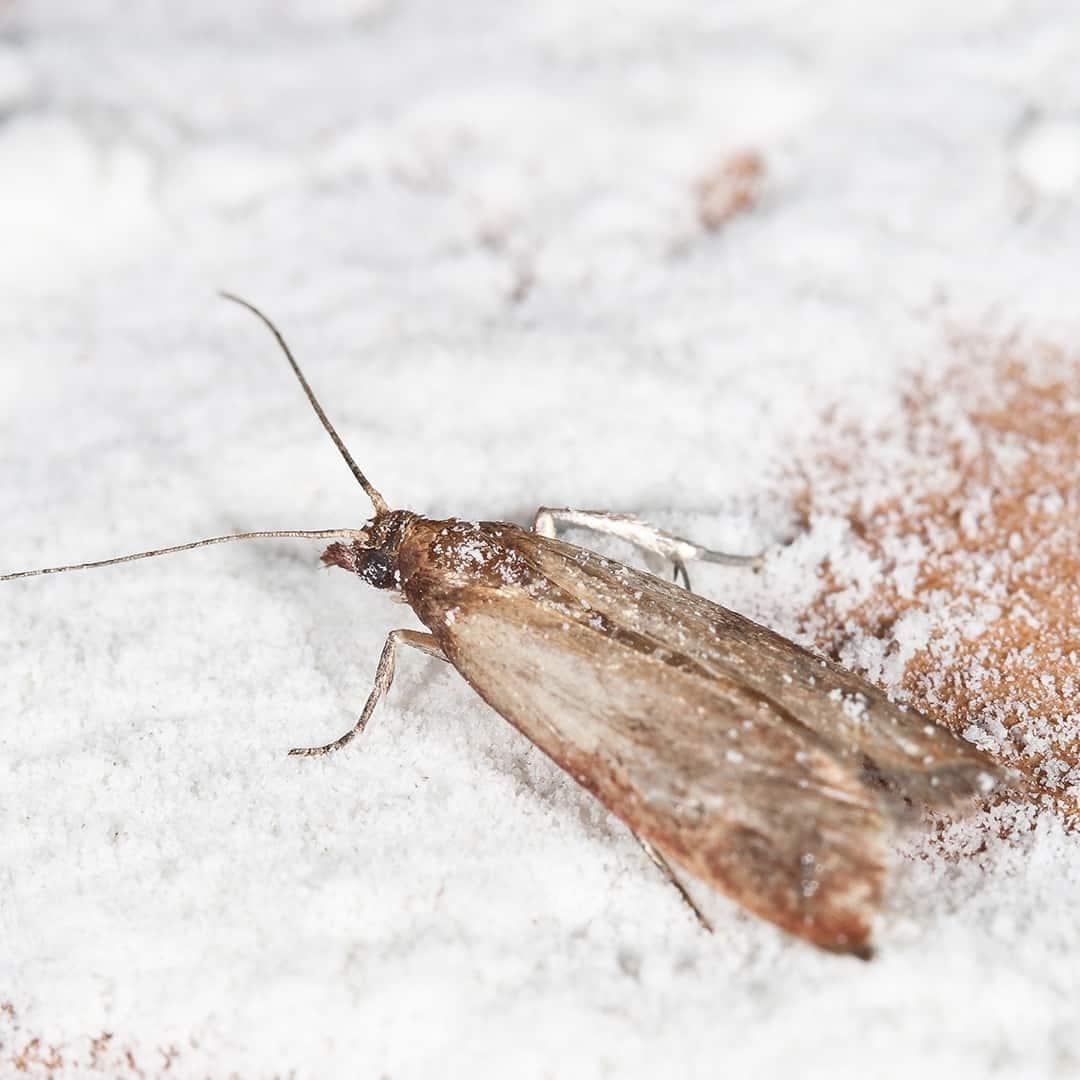
Adult indian meal moths measure approximately 8-10 millimeters in length with distinctive wing patterns. The forewings display bronze or copper coloring with darker bands, while the hindwings appear lighter in color. Larvae are small, white or cream-colored worms that can chew through plastic bags and cardboard packaging to access food sources.
Common signs of a pantry moth infestation
Several signs indicate the presence of these pests in storage areas. Visible adults flying around the kitchen or pantry area suggest an established population. Small holes in packaging, webbing on food surfaces, and larvae crawling on shelves are clear indicators of an active infestation.
- Adult moths flying near food storage areas
- Larvae found in flour, grains, nuts, and spices
- Webbing or silk threads on food packages
- Small holes in plastic bags or cardboard boxes
- Unusual odors from stored dry goods
How do pantry moths get into your home?
These pests typically enter homes through infested food purchases from grocery stores. Eggs or larvae may already be present in packaging when items arrive from retail locations. Poor storage conditions and older products increase the likelihood of initial infestations taking hold in household pantries.
Comprehensive Steps to Eliminate Pantry Moths
Getting rid of pantry moths requires thorough inspection and systematic elimination of all life cycle stages. The process involves multiple steps to ensure complete eradication and prevent future breeding cycles.
Inspect, remove, and discard infested items
Begin by examining all dry goods storage areas thoroughly, including cupboards, shelves, and containers. Remove and discard any items showing signs of contamination or damage. Pay special attention to products including flour, grains, cereals, nuts, and spices that commonly harbor these pests.
- Check all opened packages for larvae or webbing
- Examine sealed containers for damage
- Remove expired or old products
- Dispose of contaminated items in sealed plastic bags
Deep clean your pantry thoroughly
After removing infested materials, perform comprehensive cleaning of all surfaces and storage areas. Use warm water and soap solution to wipe down shelves, walls, and corners where eggs or larvae might hide. This step eliminates remaining life stages and food residues that could sustain future populations.
Utilize vacuuming and cleaning solutions
Use a vacuum cleaner to remove debris from cracks, crevices, and hard-to-reach places throughout the storage area. A white vinegar solution can provide additional cleaning power for thorough sanitization. Focus on corners, shelf joints, and areas where food particles might accumulate over time.
Make DIY pantry moth traps
Pheromone traps effectively capture male moths and disrupt breeding cycles in treated areas. These traps use attractive scents to lure adult males, reducing reproduction potential. Place traps strategically around the affected area and replace according to manufacturer instructions.