Pest Control in Al Barsha

Pest Control in Al Barsha
Pest control in Al Barsha is an on-site service performed by a technician, not a product sale. The visit focuses on inspecting common hotspots in apartments, villas, and shops, then applying a targete...
Frequently asked questions
Pest Control in Al Barsha in Dubai
Pest control in Al Barsha is an on-site service performed by a technician, not a product sale. The visit focuses on inspecting common hotspots in apartments, villas, and shops, then applying a targeted treatment plan based on the pest type and severity.
You are here
Customer reviews
7.0K reviews
John D.
December 2025
Excellent and very professional service
Sarah M.
December 2025
Very good service
Mike R.
December 2025
Very professional service.
Emma L.
December 2025
Friendly and efficient

Your Trusted Partner for Pest-Free Living in Al Barsha
Why Choose Professional Pest Control in Al Barsha?
Professional pest control experts possess the knowledge and experience to identify the root causes of infestations and implement effective solutions. Trained technicians understand the behavior patterns of different pests common to the UAE climate. They utilize municipality-approved products and methods that ensure safe and lasting results.
Professional services provide comprehensive inspections to assess the extent of pest problems and develop customized treatment plans. This approach proves more cost-effective than repeated DIY attempts that often fail to address underlying issues.
Understanding the Impact of Pests in Al Barsha
Pests can cause significant health risks and property damage if left untreated in residential and commercial buildings. Cockroaches and flies spread bacteria and contaminate food surfaces, while rodents can gnaw through electrical wiring and structural materials. Termites pose particular threats to wooden structures and can cause extensive damage over time.
Early intervention through professional pest management prevents minor issues from developing into major infestations that require more extensive treatments. Regular pest control services maintain a healthy environment for families and employees.

Comprehensive Pest Control Solutions for Al Barsha Residents
Cockroach Control in Al Barsha: Effective Eradication Strategies
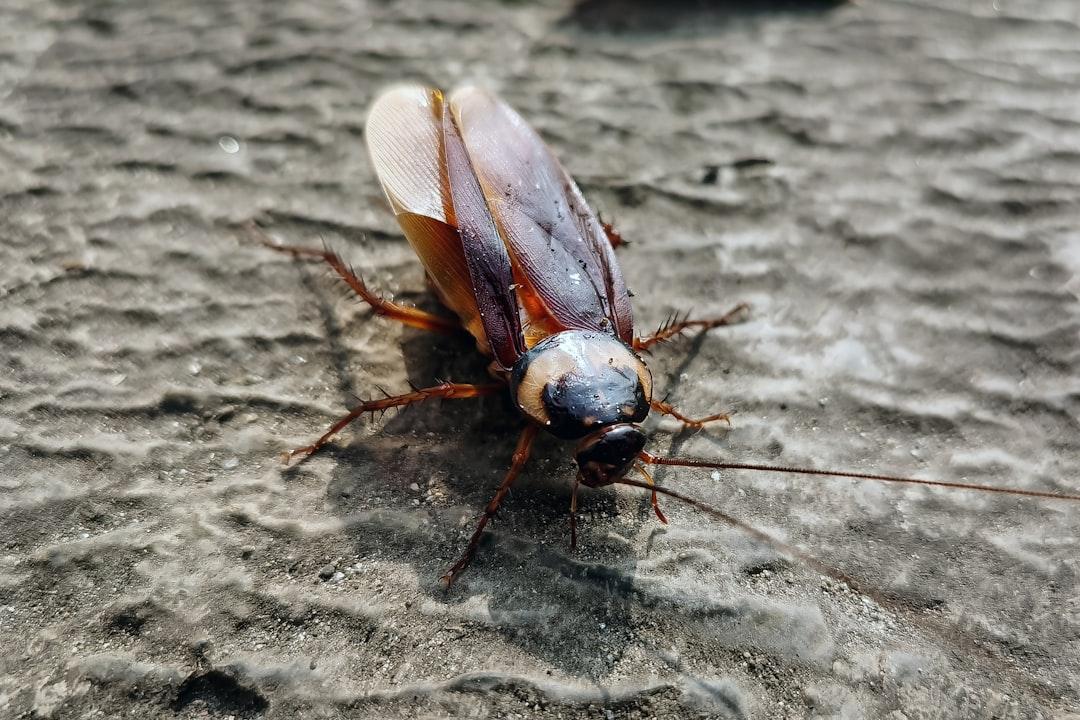
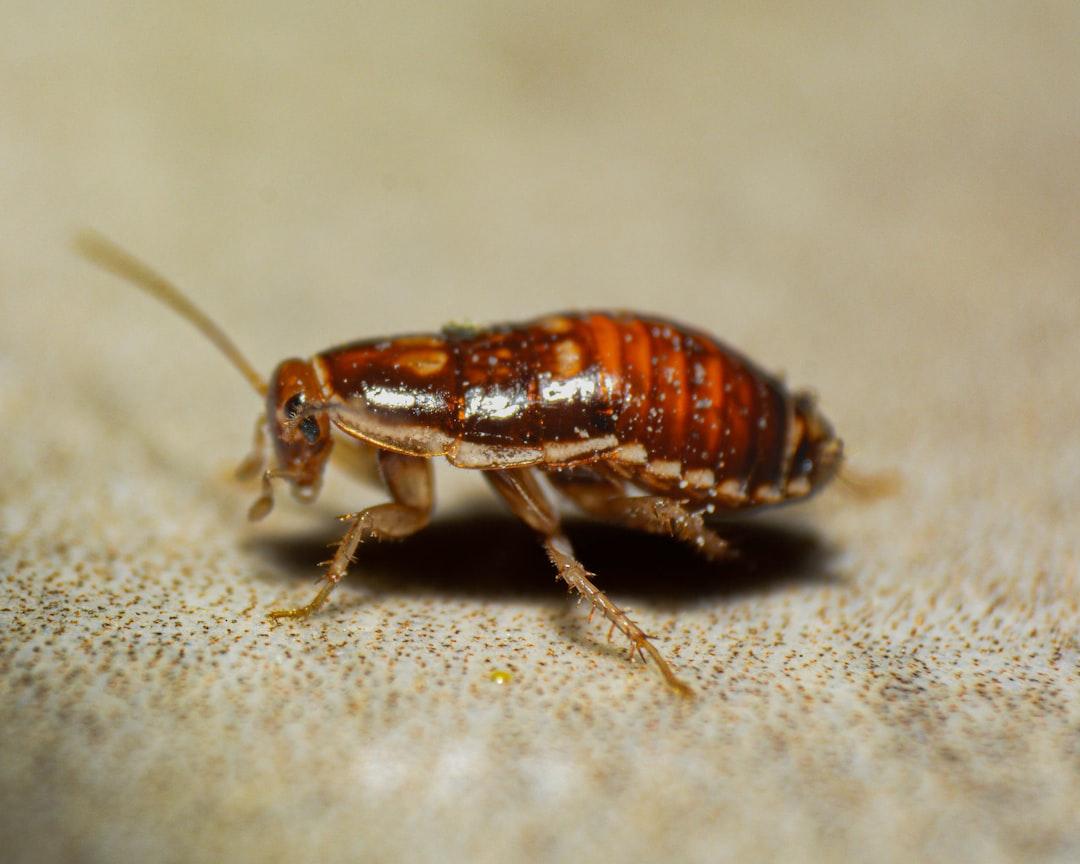
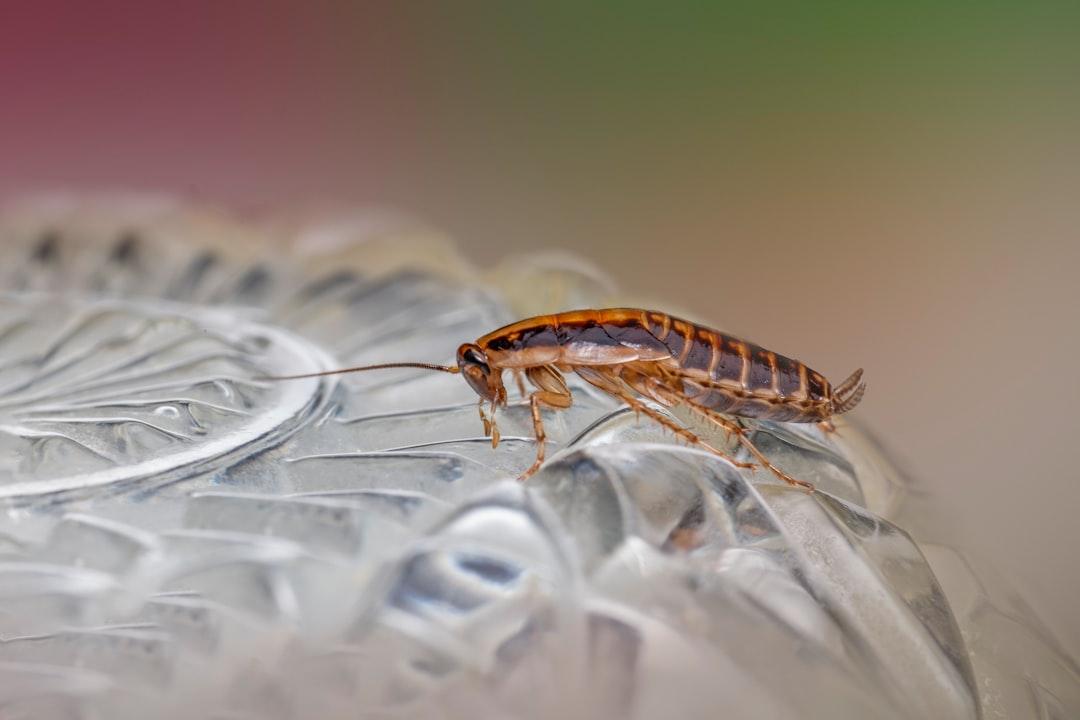
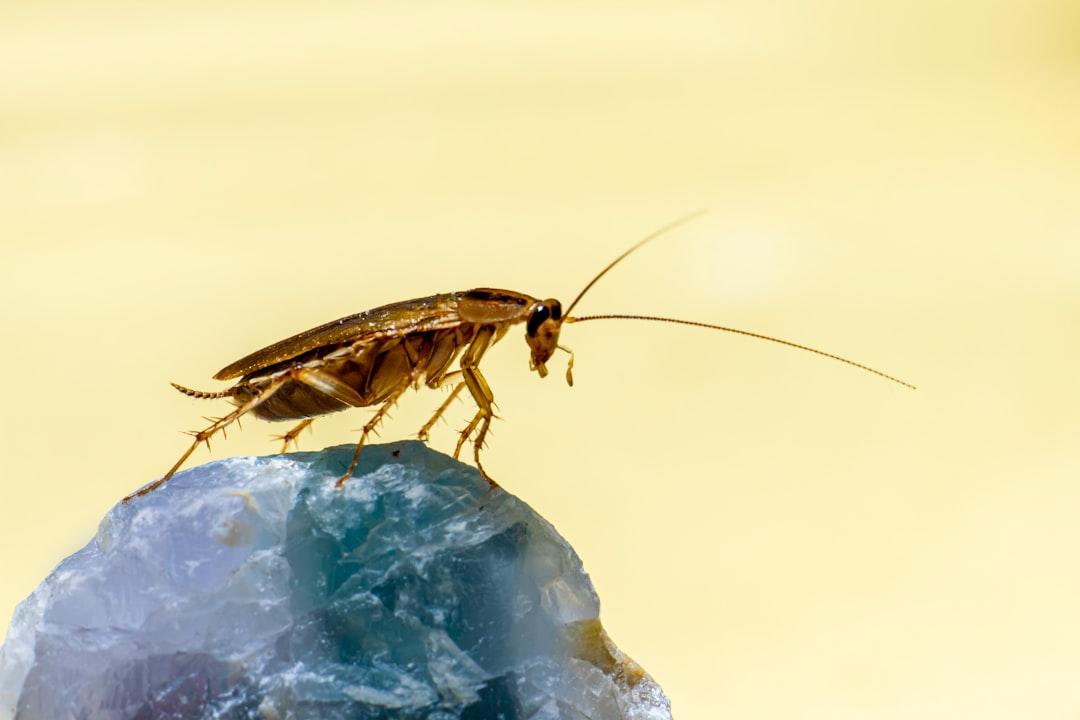
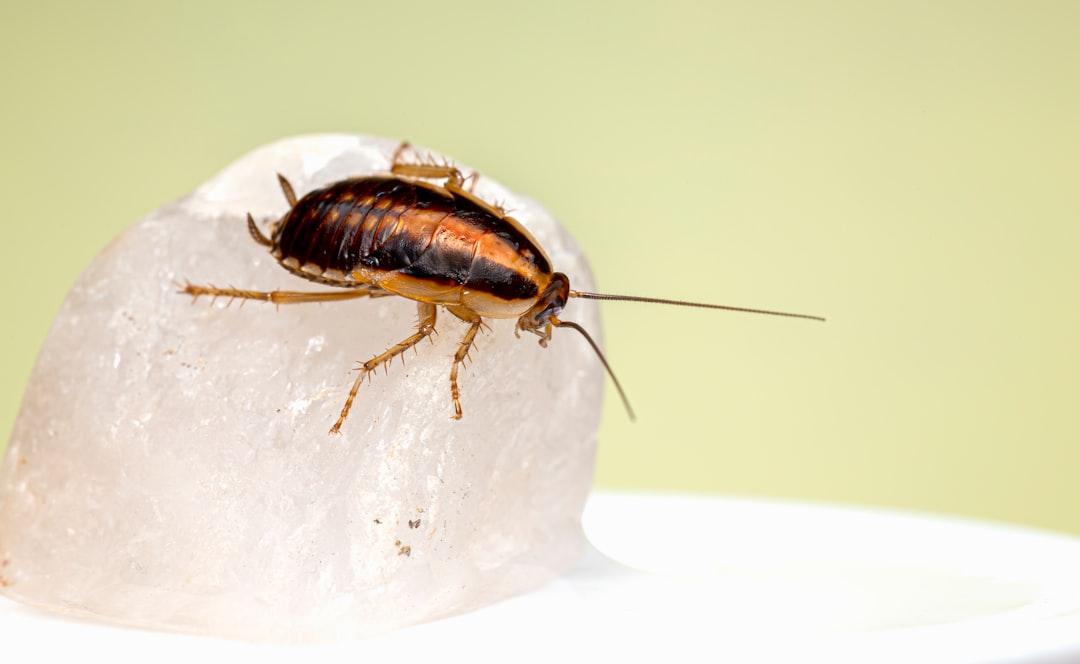
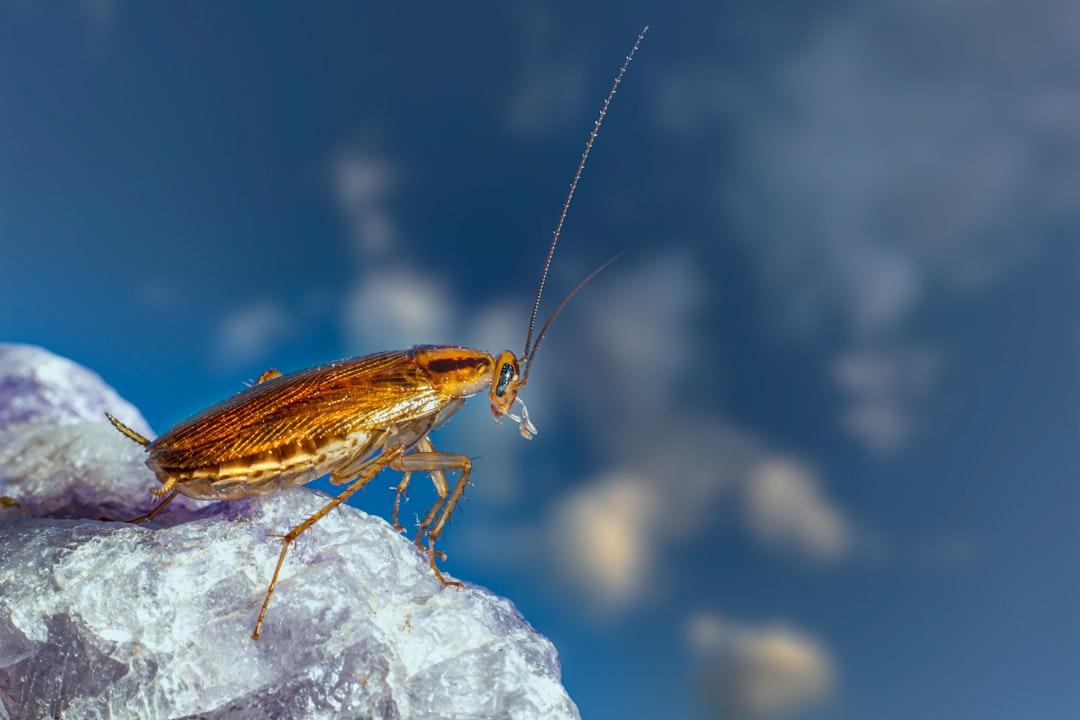
Cockroach control requires targeted treatments that eliminate both visible insects and hidden populations in wall voids and cracks. Technicians use gel baits, insecticide sprays, and monitoring devices to achieve complete eradication. The treatment process typically involves sealing entry points and eliminating moisture sources that attract these pests.
Professional cockroach treatments address all life stages from eggs to adults, ensuring long-term control. Follow-up visits monitor treatment effectiveness and provide additional applications as needed.
Ant Control in Al Barsha: Keeping Your Space Invader-Free
Ant control focuses on identifying and eliminating the colony source rather than just treating visible worker ants. Professional technicians locate ant trails and nesting sites to apply targeted treatments that reach the queen and larvae. Different ant species require specific control strategies based on their feeding habits and nesting preferences.
Effective ant management includes removing food sources and sealing access points around doors, windows, and utility penetrations. Treatment products target the entire colony system for complete elimination.
Rodent Control in Al Barsha: Eliminating Rats and Mice
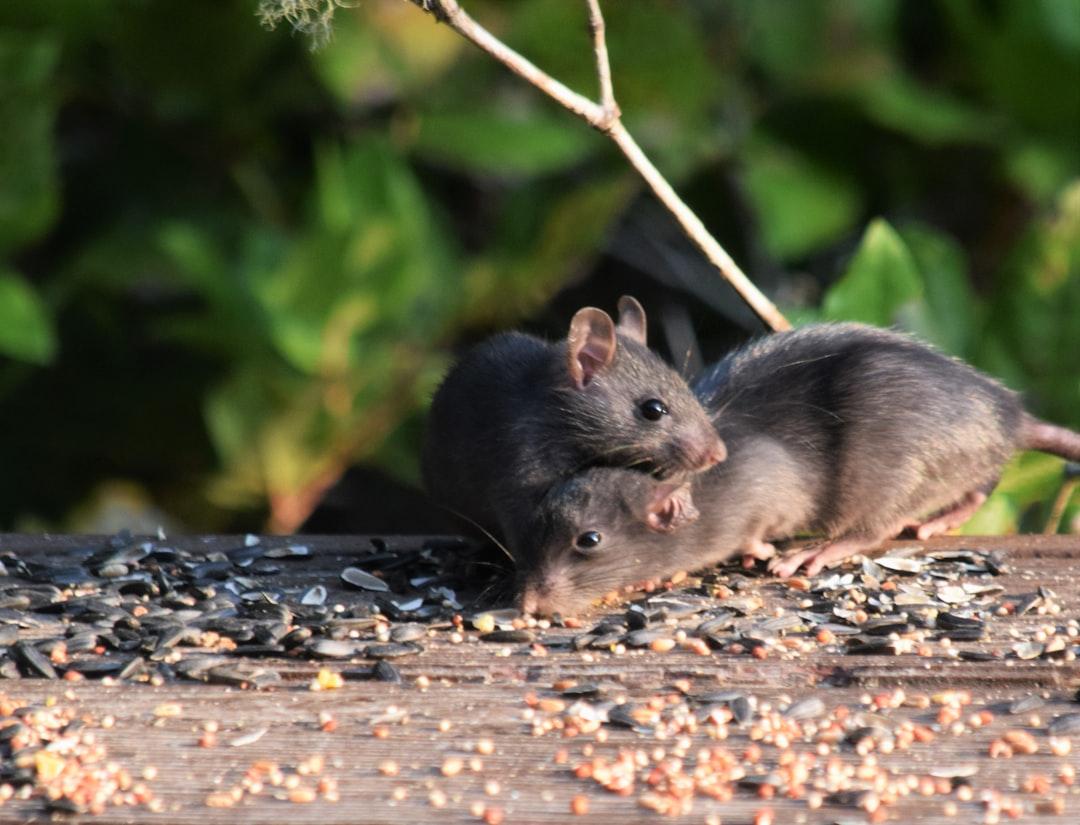
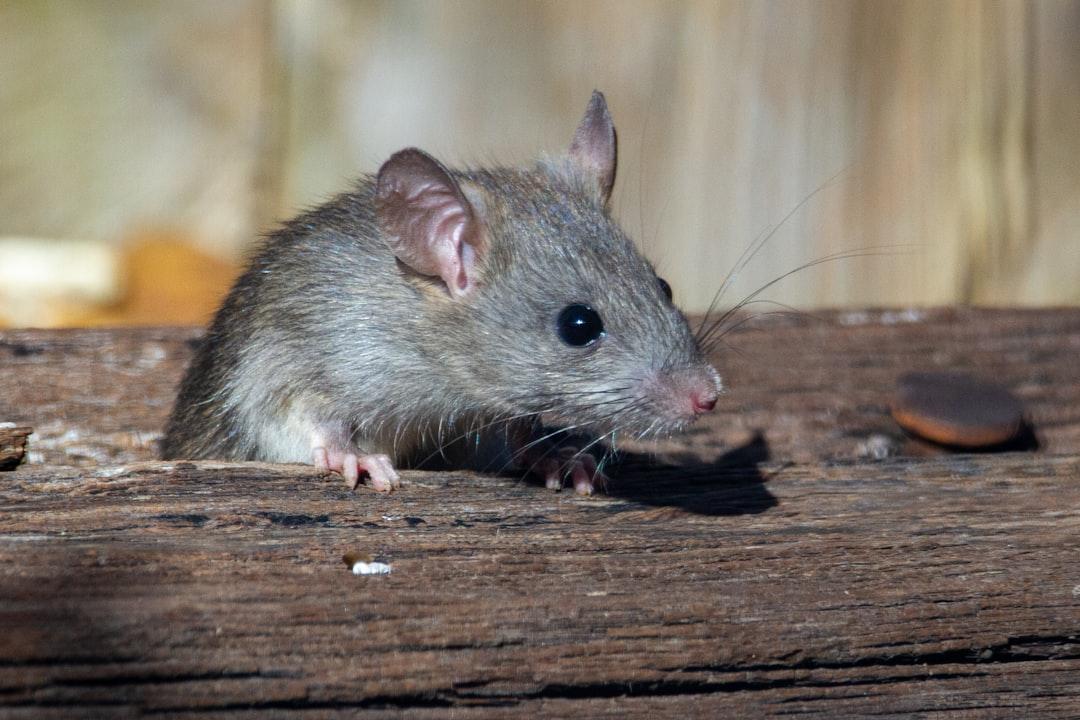
Rodent control combines exclusion methods with targeted elimination techniques to address current infestations and prevent future invasions. Technicians inspect properties to identify entry points, nesting areas, and feeding sources. Professional treatments use secure bait stations and traps designed to eliminate rats and mice safely.
The rodent management process includes sealing holes and gaps in building exteriors, removing attractants, and monitoring for ongoing activity. Regular inspections ensure continued protection against these destructive pests.
Bed Bug Treatment in Al Barsha: Restoring Your Peace of Mind
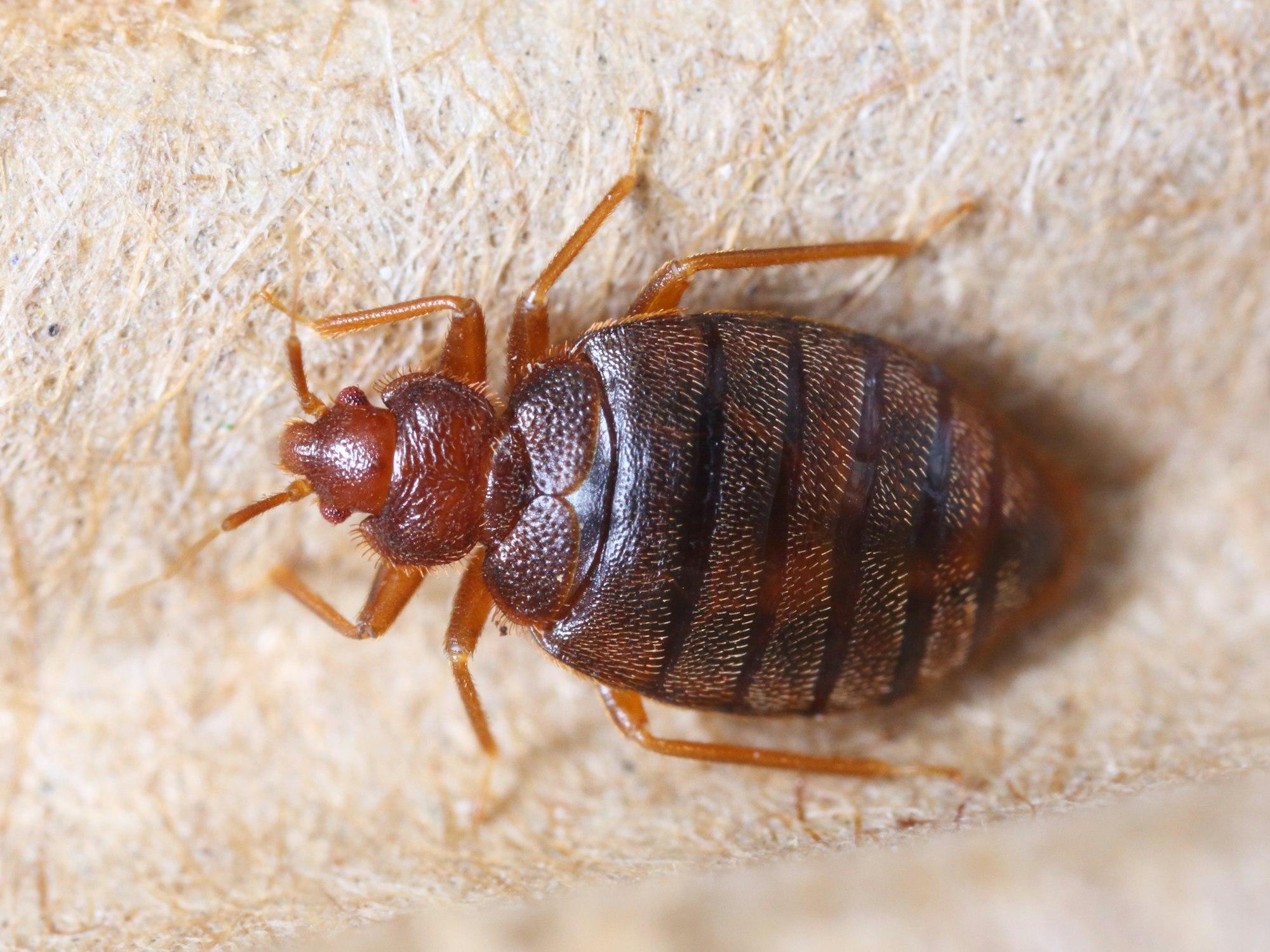
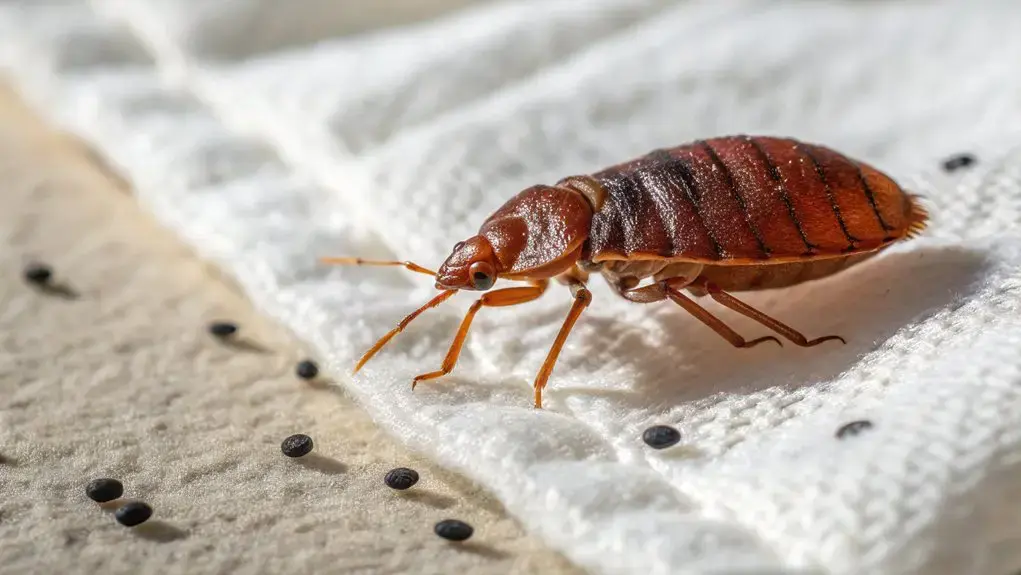
Bed bug treatment requires specialized techniques to reach all hiding places where these insects shelter during daylight hours. Professional services use heat treatments, residual insecticides, and monitoring devices to eliminate bed bugs from mattresses, furniture, and wall voids. The treatment process typically requires multiple visits to address all life stages.
Effective bed bug control includes detailed preparation instructions for residents to ensure treatment success. Technicians provide guidance on laundering infested items and temporary relocation during intensive treatments.
Mosquito and Fly Control in Al Barsha: Protecting Your Health
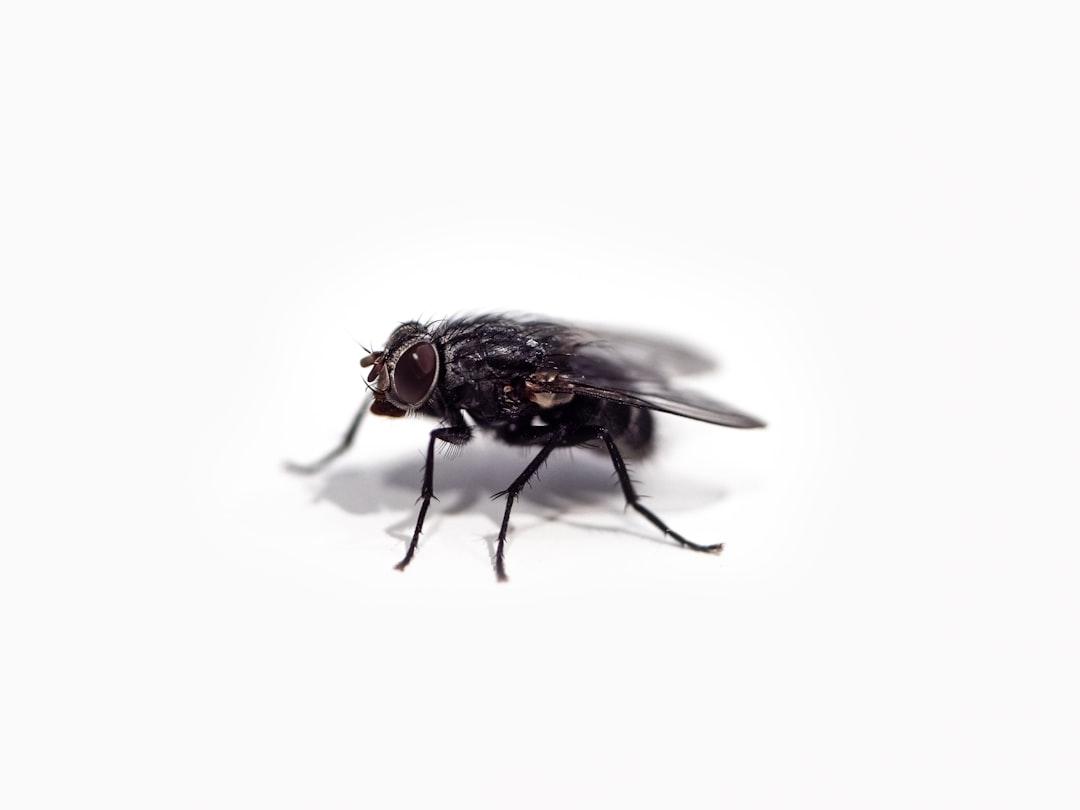
Mosquito and fly control protects residents from disease-carrying insects that breed in standing water and organic matter. Professional services identify and eliminate breeding sites around properties while applying targeted treatments to reduce adult populations. Treatment areas include gardens, water features, and drainage systems where these pests develop.
Ongoing mosquito management includes larvicide applications and residual spraying of resting areas. Fly control addresses both indoor and outdoor sources through sanitation improvements and targeted treatments.
Termite Control in Al Barsha: Safeguarding Your Property
Termite control protects structures from wood-destroying insects that can cause extensive damage to buildings over time. Professional inspections identify active termite colonies and assess structural damage to develop appropriate treatment strategies. Treatment options include liquid soil treatments, baiting systems, and localized wood treatments.
Preventive termite management includes moisture control, wood-to-soil contact elimination, and regular monitoring for early detection. Annual inspections help maintain long-term protection against these destructive pests.
Spider and Wasp Control in Al Barsha: Safe Removal Services
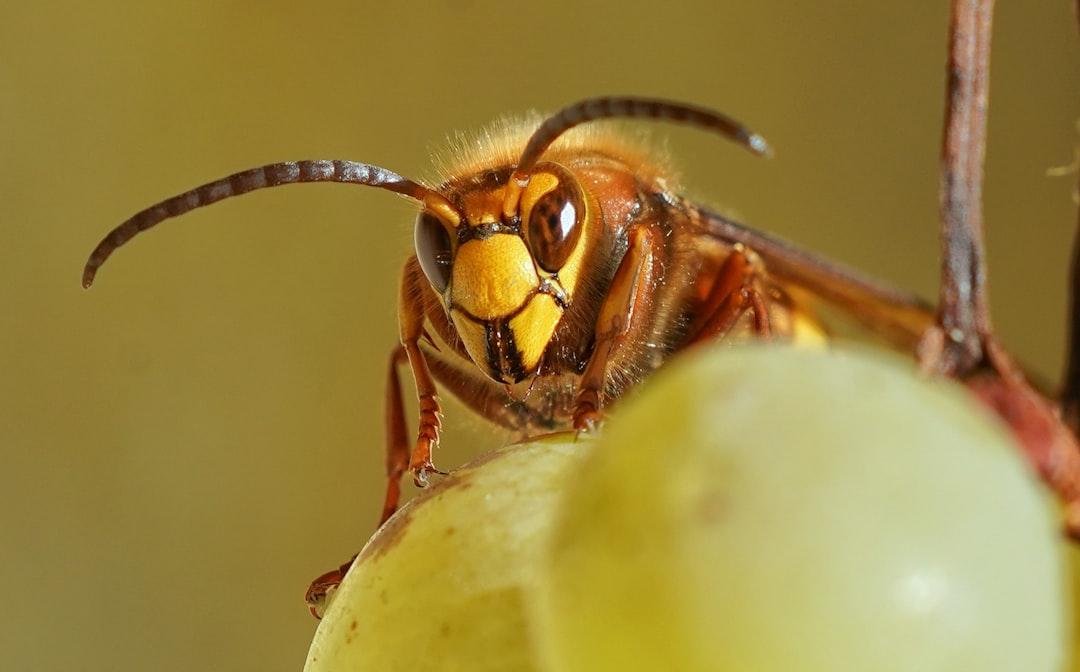
Spider and wasp control requires careful assessment of species types and nesting locations to determine appropriate treatment methods. Professional technicians safely remove wasp nests and apply residual treatments to prevent spider infestations in indoor and outdoor areas. Special attention focuses on areas where dangerous species might establish territories.
Treatment approaches vary depending on species identification and infestation severity. Preventive measures include exterior perimeter treatments and web removal to discourage spider establishment.
Other Common Pests in Al Barsha
Additional pest issues in the area include silverfish, carpet beetles, stored product insects, and occasional invaders that require specific treatment approaches. Professional services address these problems through targeted applications and environmental modifications. Each pest type requires different control strategies based on biology and habitat preferences.
Comprehensive pest management programs address multiple pest types through integrated approaches that provide broad-spectrum protection for residential and commercial properties.