Loading...

Pest control in Arabian Ranches is an on-site service performed by a technician, not a product sale. The visit targets villa hotspots (kitchens, bathrooms, storage, gardens/perimeter) and entry points...
Pest control in Arabian Ranches is an on-site service performed by a technician, not a product sale. The visit targets villa hotspots (kitchens, bathrooms, storage, gardens/perimeter) and entry points, then applies a treatment plan adapted to the pest type and severity.
7.0K reviews
December 2025
Excellent and very professional service
December 2025
Very good service
December 2025
Very professional service.
December 2025
Friendly and efficient

Residents of this prestigious community require reliable pest control Arabian Ranches solutions to maintain their property standards. Professional pest control services in Arabian communities address various infestations that can affect both residential and commercial properties. The unique environment and climate conditions in the UAE create favorable conditions for different types of pests to thrive.
Effective pest management involves understanding the specific challenges that residents face in maintaining a pest-free environment. Control services in arabian ranches utilize advanced techniques and safe treatments to eliminate unwanted pests while protecting the health and safety of families. Regular maintenance and preventive measures help ensure long-term protection against common household pests.
Professional pest control requires expertise, proper equipment, and knowledge of local pest behavior patterns. Services in arabian communities must address specific challenges related to climate, building structures, and environmental factors. Quality service providers offer comprehensive solutions that protect both residential and commercial properties.
Certified professionals provide expert pest management solutions using industry-approved methods and equipment. Technicians undergo regular training to stay updated with the latest pest control techniques and safety protocols. Experience in handling various pest types ensures effective treatment outcomes for all property types.
Safe treatment methods prioritize the health and wellbeing of family members and pets. Control services utilize eco-friendly products that eliminate pests without causing harm to humans or animals. All treatments comply with safety standards and regulations established for residential use in the UAE.
Environmentally responsible pest control solutions protect both indoor and outdoor environments. Eco-friendly treatments minimize environmental impact while maintaining effectiveness against target pests. These solutions support sustainable pest management practices that benefit the broader community and environment.
Comprehensive pest management addresses all common household and commercial pests found in the region. Services cover cockroaches, ants, bed bugs, rodents, termites, and other problematic pests. This complete approach ensures thorough protection for all areas of the property.
Transparent pricing structures help customers understand the cost of different treatment options. Service providers offer clear information about what each treatment includes and expected outcomes. Quality results are backed by professional expertise and proven treatment methods.
Reliable service delivery ensures timely response to pest control needs and emergency situations. Prompt scheduling accommodates customer preferences and urgent requirements. Consistent service quality maintains trust and ensures effective pest management over time.
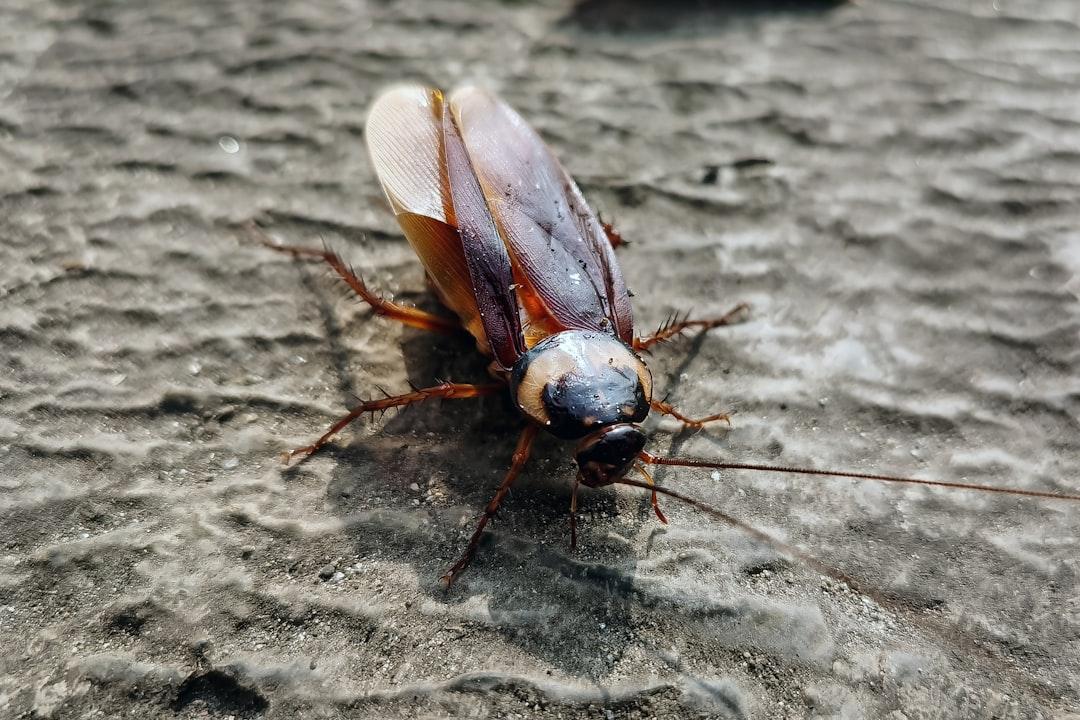
The diverse pest population in residential communities requires specialized knowledge and targeted treatment approaches. Understanding common pest behavior patterns helps develop effective control strategies for different property types. Professional pest control in arabian areas addresses both indoor and outdoor pest challenges.
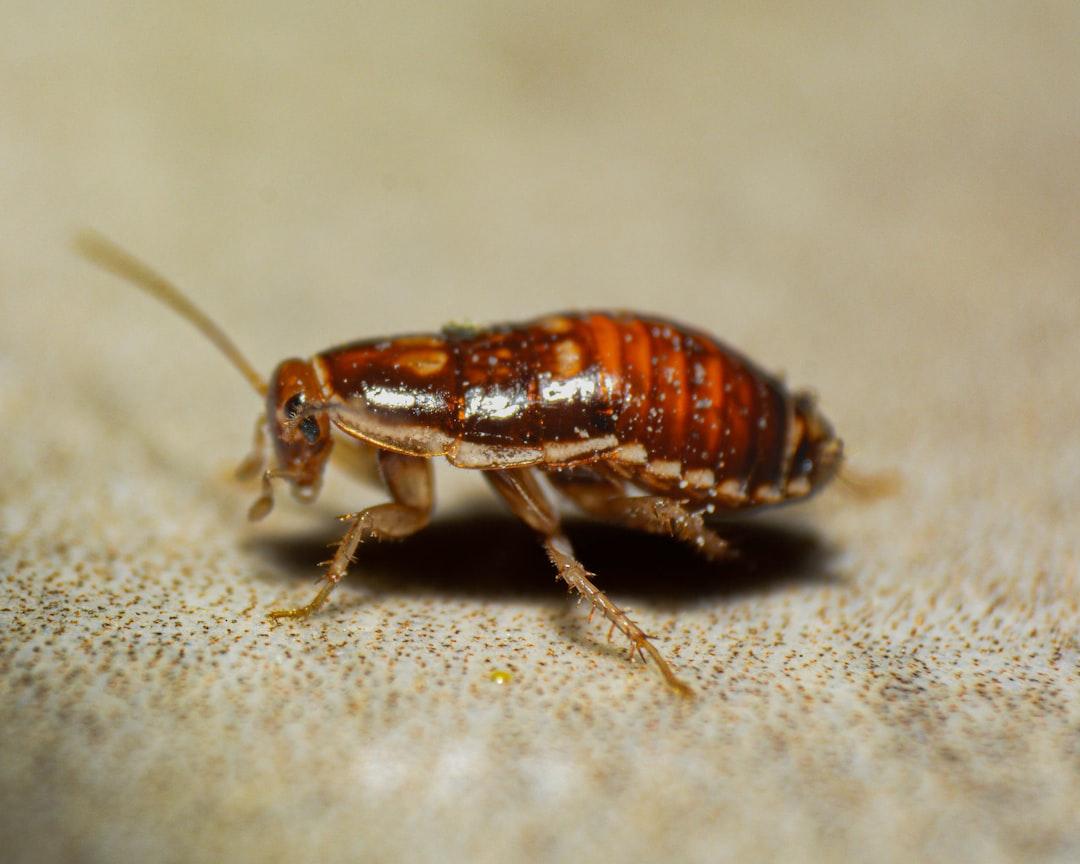
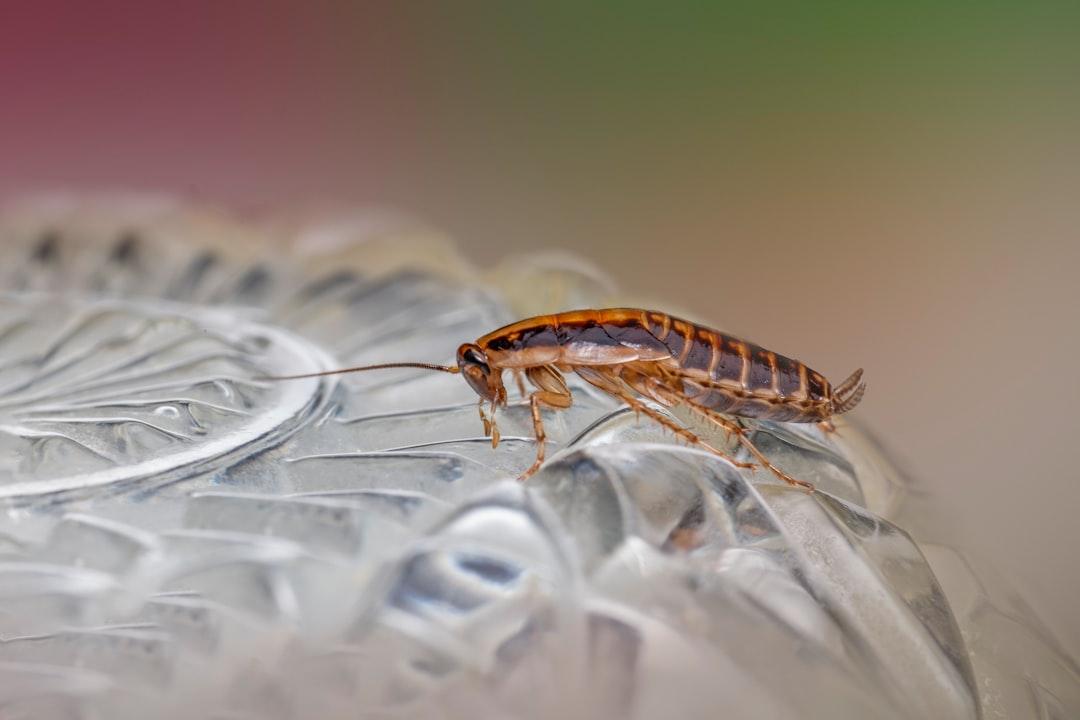
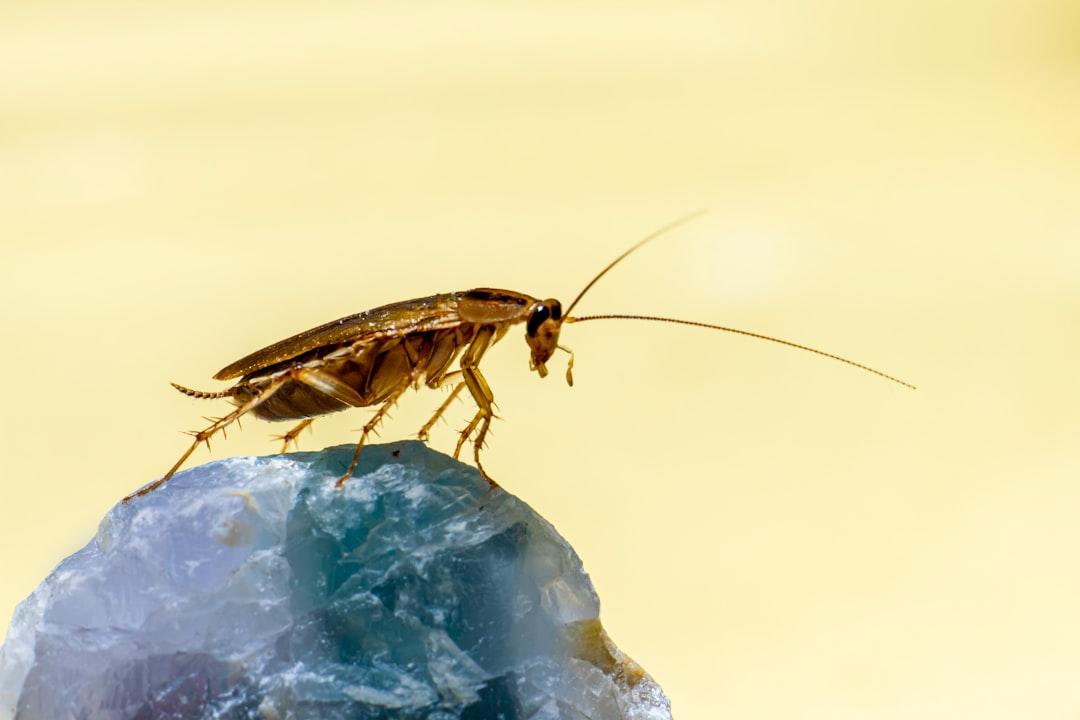
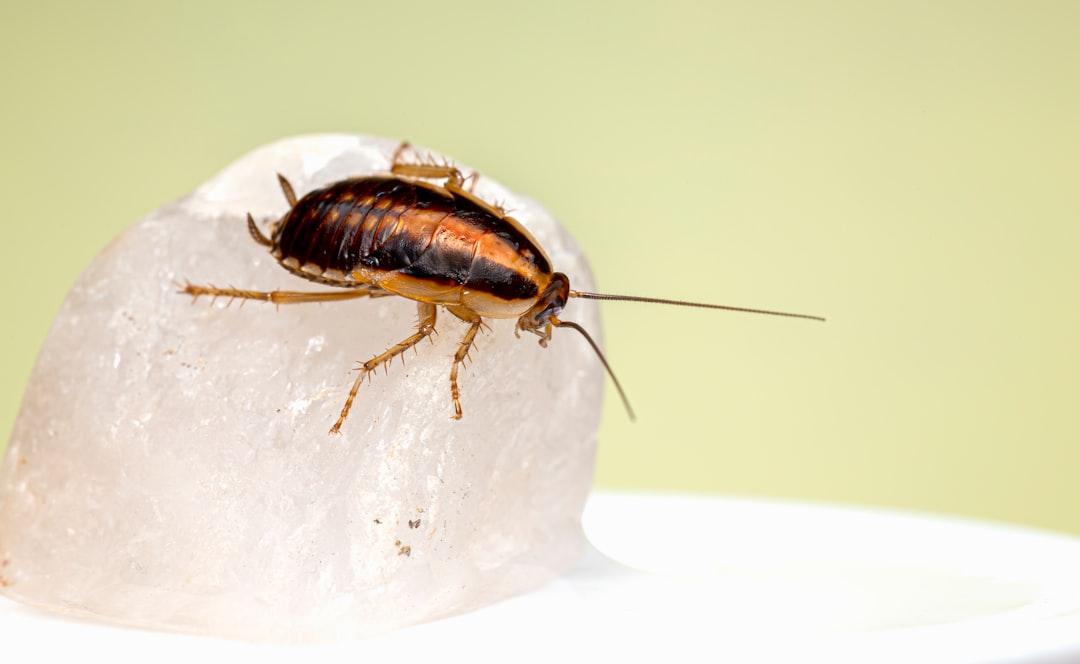
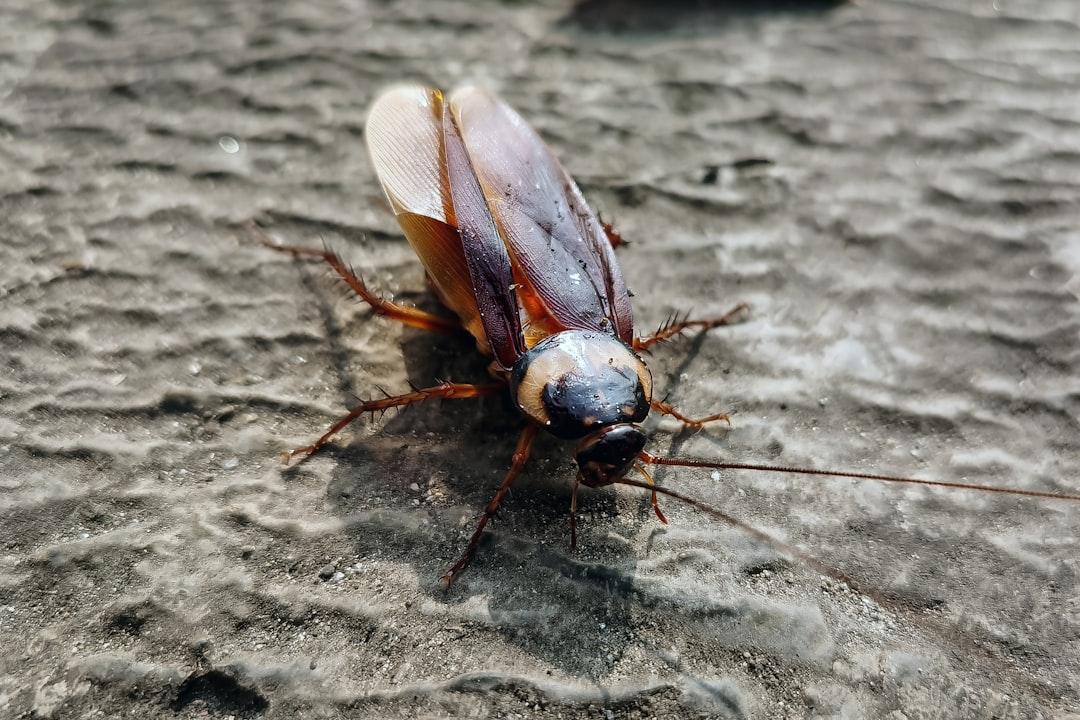
Cockroach infestations pose significant health risks and require immediate professional attention. These pests contaminate food sources, spread diseases, and multiply rapidly in favorable conditions. Effective cockroach control involves identifying entry points, eliminating breeding areas, and applying targeted treatments.
Ant colonies establish complex networks that can be difficult to eliminate without professional intervention. Different ant species require specific treatment approaches based on their behavior and nesting habits. Control methods target both visible ants and hidden colonies to prevent re-infestation.
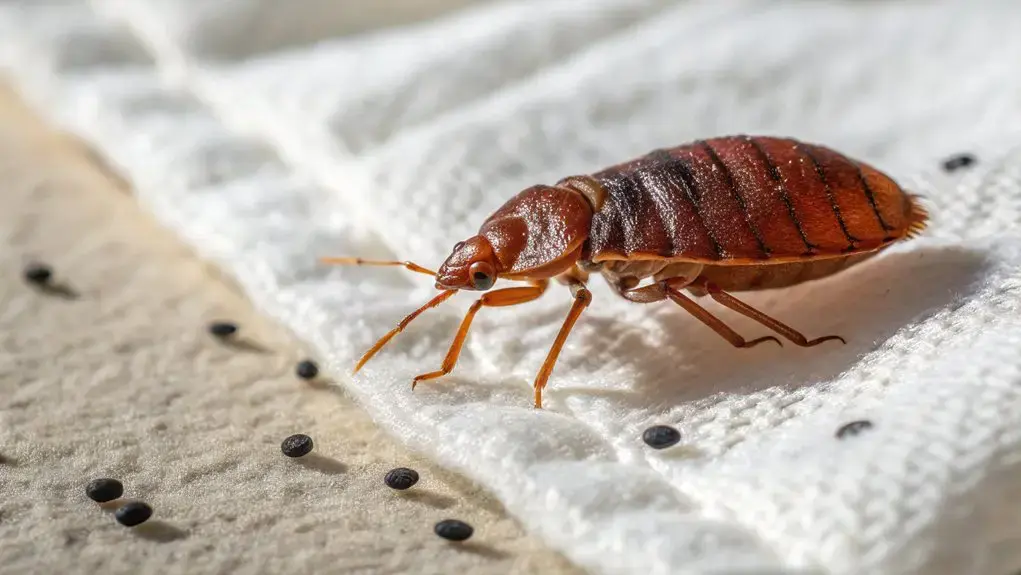
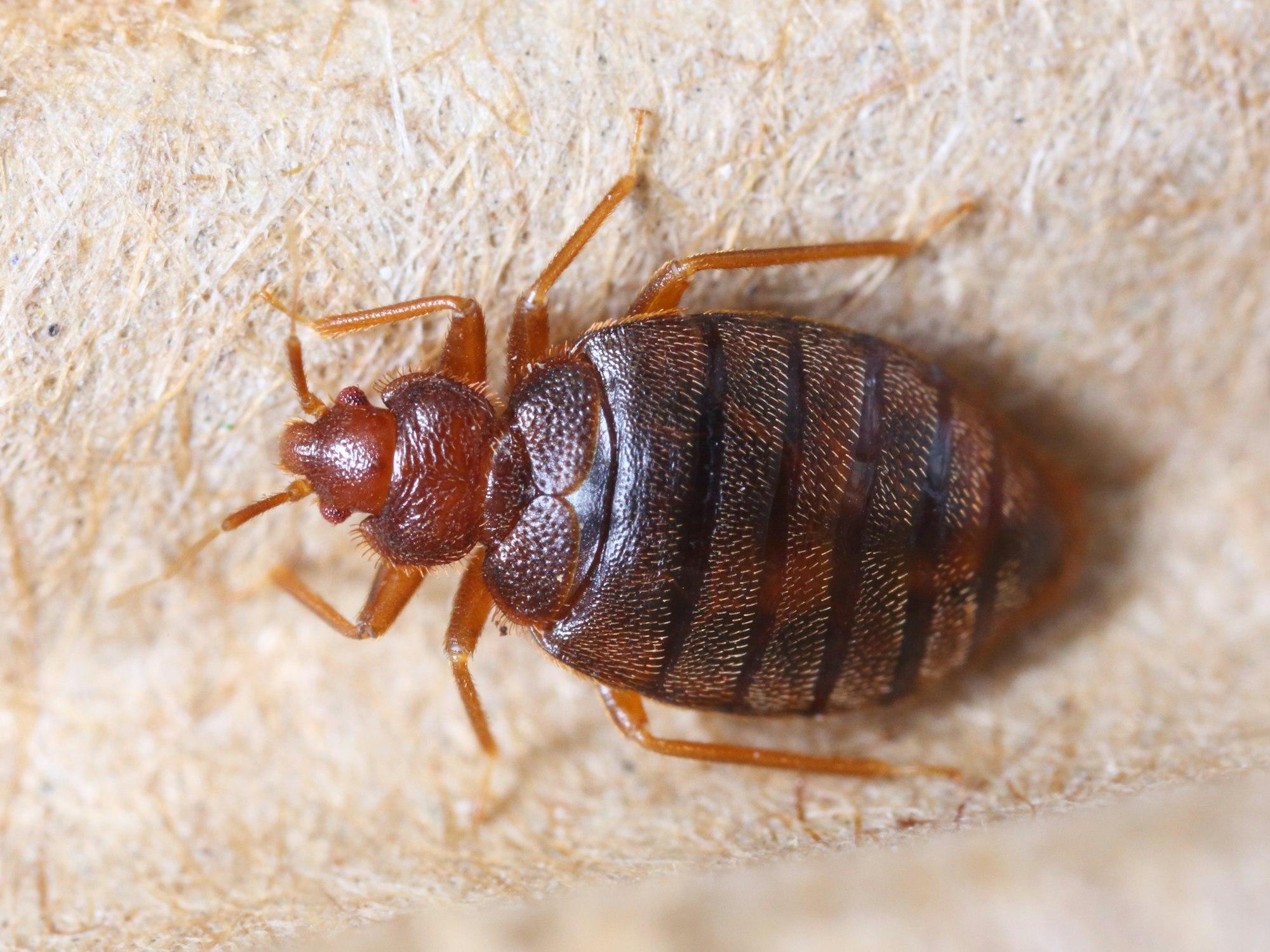
Bed bugs pest control requires specialized equipment and techniques to eliminate all life stages of these persistent pests. These insects hide in furniture, bedding, and other areas during daylight hours. Treatment involves thorough inspection, heat treatment, and targeted chemical applications where necessary.
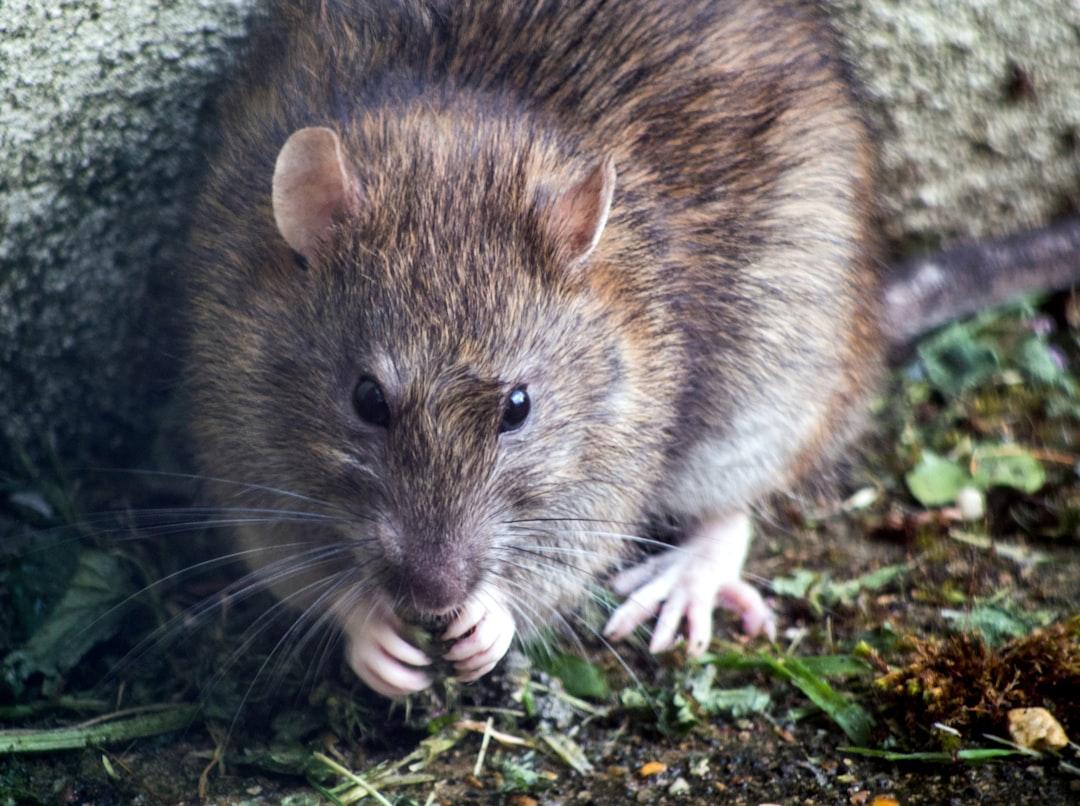
Rodent infestations can cause significant property damage and pose health risks to occupants. Rats and mice contaminate food sources, damage building materials, and create unsanitary conditions. Professional rodent control includes identification of entry points, removal of existing populations, and prevention measures.
Flying insects create discomfort and can transmit diseases to humans and pets. Mosquito breeding areas around properties require regular monitoring and treatment. Control measures include larvicide applications, adult insect treatments, and recommendations for breeding site elimination.
Termite infestations can cause extensive structural damage if left untreated. These pests feed on wood and other cellulose materials, weakening building foundations and structures. Professional termite treatment involves soil treatment, baiting systems, and regular monitoring to prevent future infestations.
Various spider species found in residential areas can create discomfort and safety concerns. Some species pose health risks through their bites, while others simply create unsightly webs. Spider control focuses on reducing spider populations and eliminating their prey sources.
Bird infestations can damage property and create health hazards through droppings and nesting materials. Professional bird control utilizes humane methods to deter birds from roosting and nesting on buildings. Solutions include physical barriers, deterrent systems, and habitat modification recommendations.
Early detection of pest problems enables more effective and less costly treatment options. Property owners should regularly inspect their premises for signs of pest activity. Recognizing infestation indicators helps determine when professional intervention is necessary.
Direct sightings of pests or their droppings indicate active infestations requiring immediate attention. Different pest types leave distinctive droppings that help identify the specific problem. Regular inspection of common pest hiding areas helps detect problems early.
Strong or unusual odors often indicate pest infestations, particularly rodents or cockroaches. Dead pests, urine, or pheromones create distinctive smells that become noticeable during significant infestations. These odors typically persist until the source is identified and eliminated.
Physical damage to property materials indicates pest activity, particularly from rodents or termites. Chew marks, holes, and structural weakening suggest ongoing pest problems. Assessment of damage extent helps determine appropriate treatment approaches.
Scratching, scurrying, or other unusual sounds suggest pest activity within building structures. Rodents and other pests create noise while moving through walls, ceilings, or other hidden areas. These sounds are typically more noticeable during quiet periods.
Unexplained skin reactions may indicate bed bug, flea, or other pest bites. Some individuals experience allergic reactions to pest saliva, droppings, or shed skin particles. Medical consultation may be necessary to determine if symptoms are pest-related.
Systematic pest control processes ensure thorough assessment, effective treatment, and long-term prevention. Professional pest management follows established protocols that maximize treatment effectiveness. Each step contributes to achieving complete pest elimination and preventing future problems.
Comprehensive property inspections identify pest types, infestation levels, and contributing factors. Technicians examine all areas where pests commonly hide or enter buildings. Assessment results guide treatment planning and help establish realistic expectations for outcomes.
Treatment plans are developed based on specific pest problems, property characteristics, and customer preferences. Plans include detailed information about treatment methods, timing, and expected results. Customization ensures optimal effectiveness while addressing individual customer needs and concerns.
Professional application of treatments follows safety protocols and manufacturer guidelines. Technicians use appropriate personal protective equipment and ensure proper product application rates. Safe application protects both treatment effectiveness and occupant health.
Prevention recommendations help customers avoid future pest problems through environmental modifications. Follow-up services monitor treatment effectiveness and address any remaining pest activity. Ongoing advice supports long-term pest management success.
Different residential property types present unique challenges for pest control implementation. Understanding building characteristics helps develop targeted approaches for each property style. Residential pest control services in arabian communities address specific needs of different housing types.
Villa properties require comprehensive treatment approaches that address both interior and exterior pest challenges. Large properties with gardens and outdoor spaces need specialized attention to prevent pest harborage areas. Treatment plans consider the unique characteristics of villa properties and their surrounding environments.
Townhouse properties share walls with neighboring units, requiring coordination for effective pest control. Treatments must address potential pest movement between connected units. Collaborative approaches with property management help ensure comprehensive treatment coverage.
Apartment buildings require building-wide pest management strategies to prevent pest migration between units. Common areas, utility spaces, and shared facilities need regular attention. Coordinated treatment programs address both individual units and shared spaces effectively.
Commercial properties face unique pest control challenges related to business operations and customer expectations. Different business types require specialized approaches that minimize disruption to operations. Professional commercial pest management ensures compliance with health and safety regulations.
Food service establishments require stringent pest control measures to maintain health department compliance. Regular inspections and treatments protect food safety and business reputation. Integrated pest management approaches address both current problems and prevention measures.
Office and retail environments need pest control solutions that maintain professional appearance and employee comfort. Treatment scheduling accommodates business hours and customer traffic patterns. Discreet service delivery maintains business operations while addressing pest concerns.
Hospitality and healthcare facilities require specialized pest control approaches that prioritize guest and patient safety. Enhanced sanitization and monitoring procedures support facility reputation and regulatory compliance. Treatment methods consider sensitive populations and operational requirements.
Industrial facilities face unique challenges related to stored products, shipping activities, and large spaces. Comprehensive pest management programs address both structural pests and stored product pests. Solutions consider operational requirements and worker safety protocols.
Regular pest management provides numerous advantages beyond immediate pest elimination. Preventive approaches offer better long-term value and reduced pest-related problems. Consistent maintenance helps property owners avoid costly repairs and health issues associated with pest infestations.
Regular pest control helps maintain indoor air quality and reduces health risks associated with pest-borne diseases. Clean, pest-free environments support family health and wellbeing. Professional treatments eliminate allergens and contaminants that pests introduce to living spaces.
Preventive pest control protects building materials, furnishings, and personal belongings from pest damage. Early intervention prevents costly repairs associated with termite damage, rodent contamination, or other pest-related problems. Property values are maintained through consistent pest management practices.
Professional pest control reduces disease transmission risks by eliminating pest vectors and contamination sources. Many pests carry pathogens that can affect human and pet health. Regular treatments interrupt disease transmission cycles and reduce exposure risks.
Regular pest control provides peace of mind through consistent protection and professional monitoring. Property owners can focus on other priorities knowing their pest management needs are professionally addressed. Reliable service creates confidence in long-term pest control effectiveness.
Professional pest control starts with accurate assessment and transparent pricing information. Free quotations help customers understand their pest control options and associated costs. The consultation process provides valuable information about pest problems and recommended solutions.
Expert consultations provide professional assessment of pest control needs and recommended treatment approaches. Experienced technicians can answer questions about pest problems and explain available solutions. Direct contact ensures access to current service availability and scheduling options.
Callback services provide convenient consultation options for busy schedules and complex pest situations. Professional staff can discuss pest problems, explain treatment options, and schedule service appointments. This service ensures customers receive personalized attention and detailed information.
Professional inspections provide detailed assessment of pest problems and property conditions. Scheduled inspections accommodate customer availability and provide thorough evaluation of pest control needs. Inspection results guide treatment planning and help establish realistic service expectations.