Loading...

Pest control in Deira is an on-site service performed by a technician, not a product sale. The visit focuses on inspection of typical hotspots in apartments, shops, and backrooms (kitchens, bathrooms,...
Pest control in Deira is an on-site service performed by a technician, not a product sale. The visit focuses on inspection of typical hotspots in apartments, shops, and backrooms (kitchens, bathrooms, storage, service ducts), then a targeted treatment plan based on the pest type and severity.
7.0K reviews
December 2025
Excellent and very professional service
December 2025
Very good service
December 2025
Very professional service.
December 2025
Friendly and efficient

Professional pest control companies in Deira offer comprehensive solutions for residential and commercial properties. These services address common pest issues including cockroaches, bed bugs, ants, rodents, termites, and flying insects. Experienced technicians provide customized treatment plans based on thorough property assessments.
Reliable service providers maintain high standards of safety and effectiveness in their treatment methods. The process typically involves detailed inspection, identification of pest issues, application of appropriate treatments, and follow-up monitoring to ensure lasting results.
Professional pest control companies offer several advantages over DIY approaches. Trained technicians possess extensive knowledge about different pest species and their behavior patterns. They utilize specialized equipment and proven treatment methods to address infestations effectively.
Licensed providers follow safety protocols to protect residents, employees, and the environment. Professional services also include comprehensive documentation and follow-up support to maintain pest-free conditions over time.
Qualified pest control technicians undergo extensive training and certification processes. Many professionals in the industry possess years of experience handling various pest situations across different property types. Certified technicians stay updated on latest treatment methods and safety regulations.
The team typically includes specialists trained in identifying pest species, understanding their life cycles, and implementing targeted treatment strategies. Regular training ensures technicians remain current with industry best practices and safety standards.
Complete pest management programs address all common pests found in the region. Services typically cover cockroach control, bed bug treatment, ant management, rodent control, termite protection, and bird control solutions. Each pest type requires specific treatment approaches based on their behavior and habitat preferences.
Integrated pest management combines multiple strategies including prevention, monitoring, and targeted treatments. This comprehensive approach ensures more effective long-term control compared to single-method treatments.
Modern pest control services prioritize environmental safety and human health protection. Eco-friendly treatment methods utilize low-toxicity products that effectively control pests while minimizing environmental impact. These methods are particularly important in residential areas and food-related businesses.
Safe treatment protocols include proper application techniques, appropriate chemical selection, and adequate ventilation procedures. Professional companies ensure all treatments comply with local regulations and safety standards.
Professional pest control services typically provide detailed information about expected treatment outcomes. Most treatments show initial results within 24 to 48 hours, with complete effectiveness achieved within one to two weeks depending on the pest type and infestation severity.
Long-term protection involves regular monitoring and preventive treatments as needed. Service providers often offer maintenance programs to prevent future infestations and maintain pest-free conditions.
Reputable pest control companies provide clear pricing structures and free property assessments. Quotes typically include detailed breakdowns of services, treatment areas, and expected timeframes. Cost factors include property size, pest type, infestation severity, and required follow-up treatments.
Free consultations allow property owners to understand their pest issues and available treatment options before making decisions. Transparent pricing helps customers make informed choices about their pest control needs.
Professional pest control providers offer prompt response times for urgent pest situations. Many companies provide same-day or next-day service appointments depending on availability and urgency of the situation. Reliable service includes punctual arrival times and efficient treatment completion.
Service coverage typically extends throughout Deira and surrounding areas. Quick response capabilities are particularly important for commercial properties where pest issues can impact business operations.
The warm climate and urban environment create favorable conditions for various pest species. Common pests in the area include cockroaches, bed bugs, ants, mosquitoes, flies, rodents, termites, and birds. Each pest type presents unique challenges requiring specific treatment approaches.
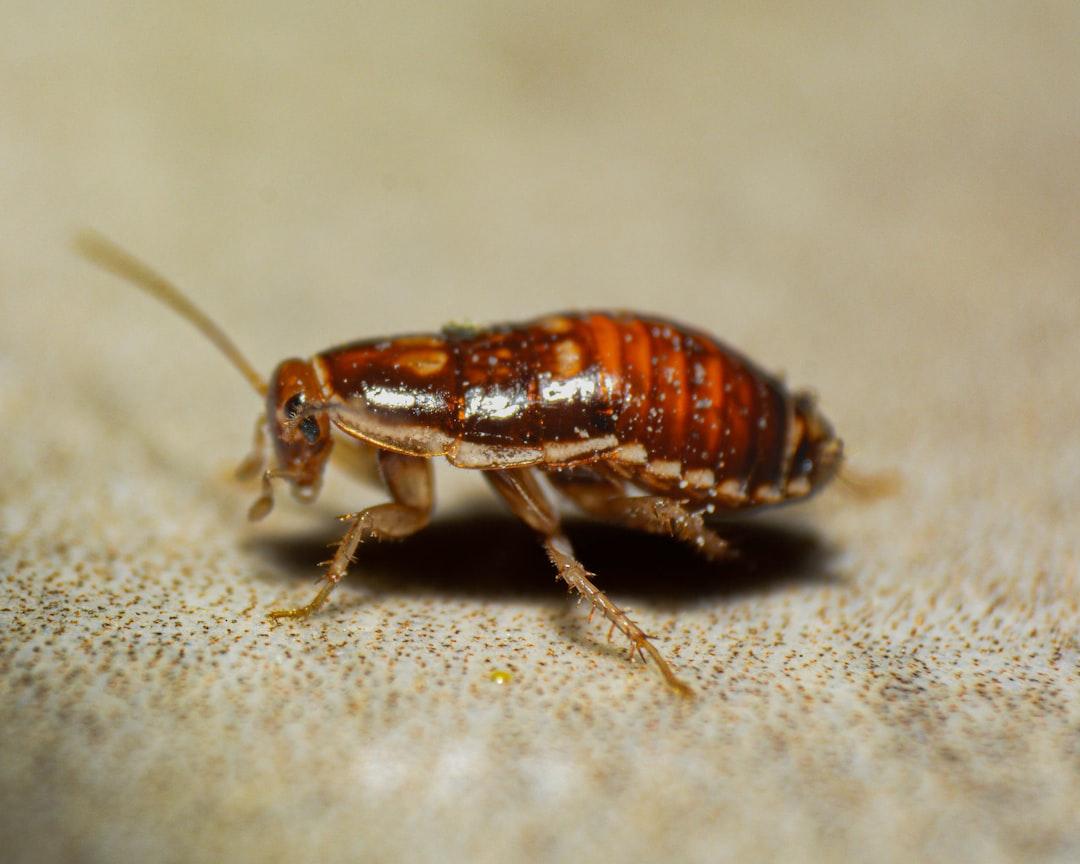
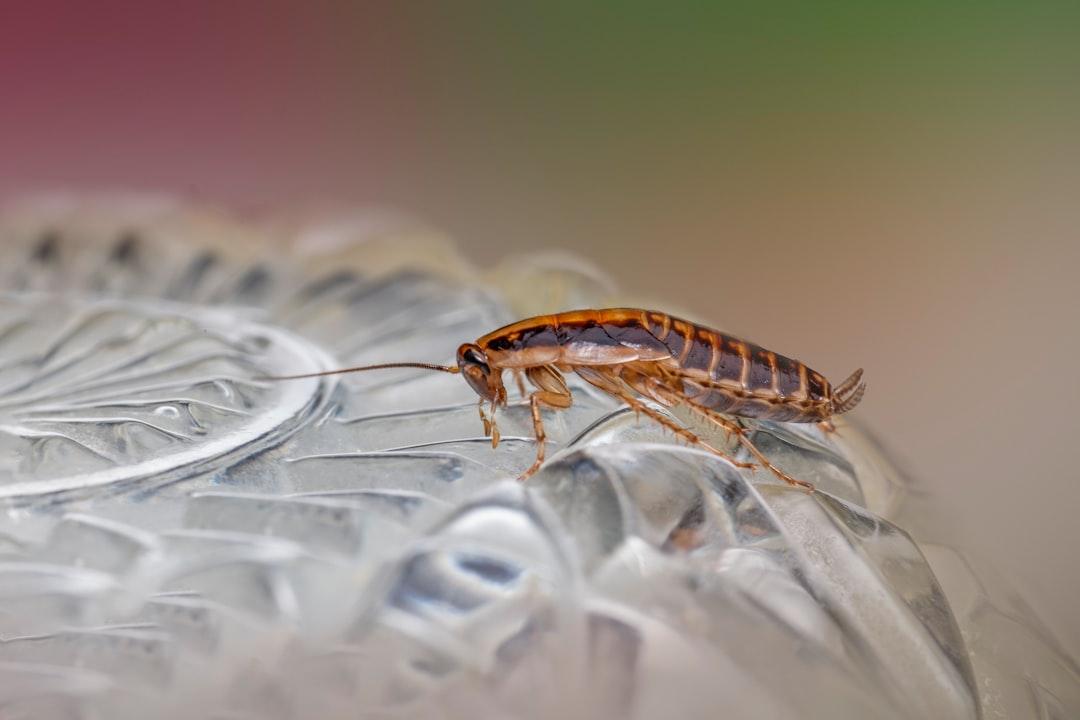
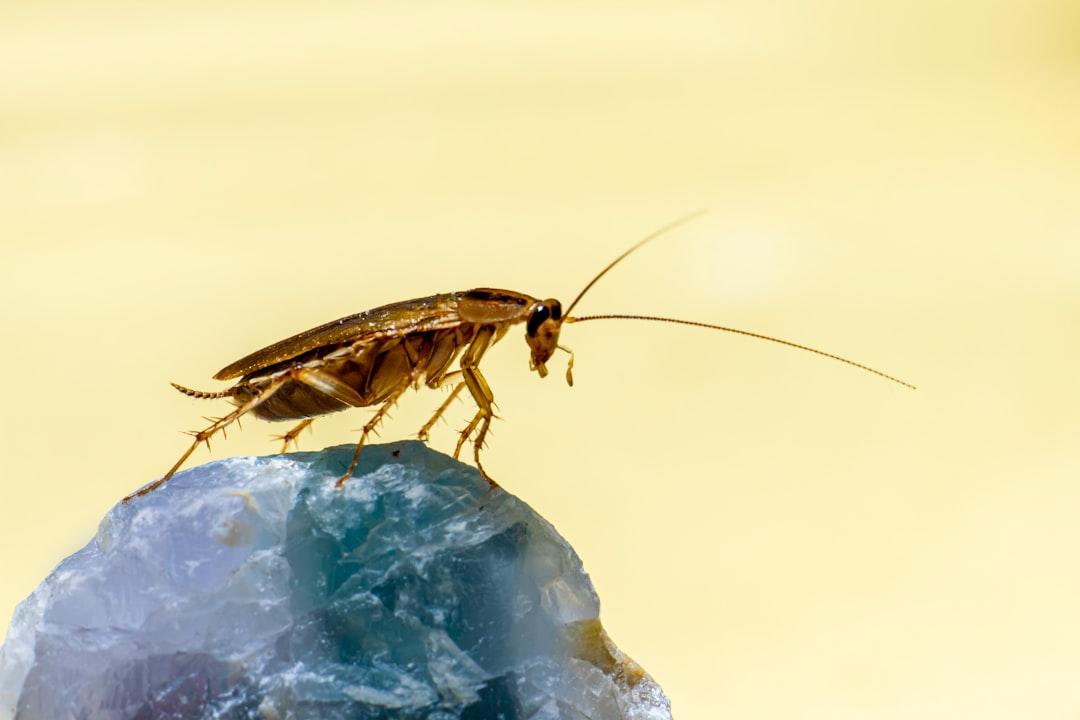
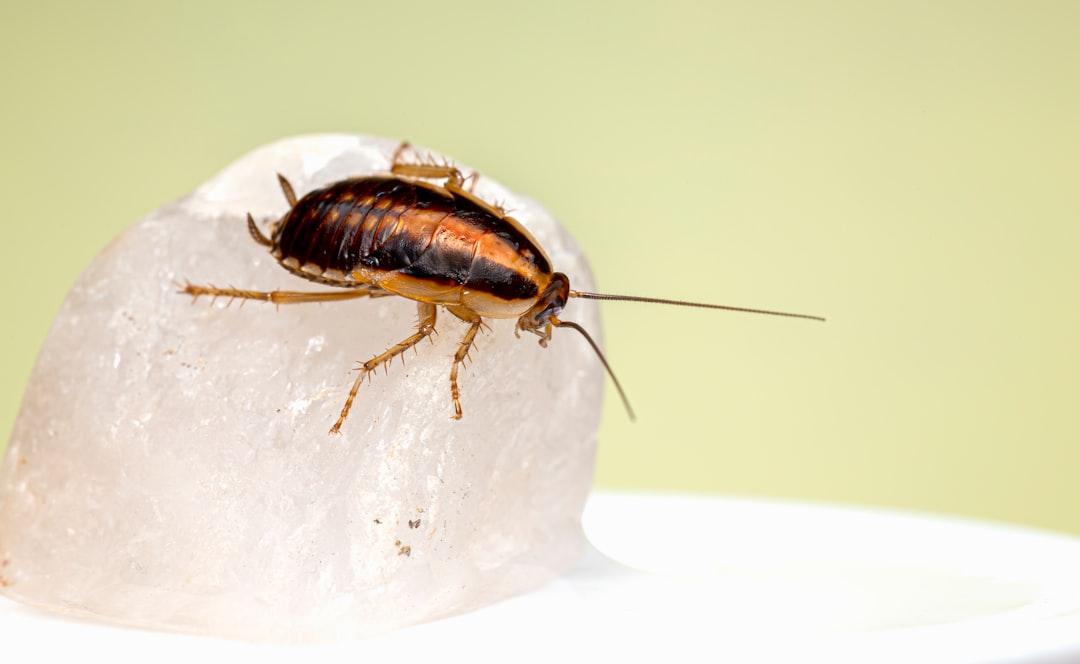
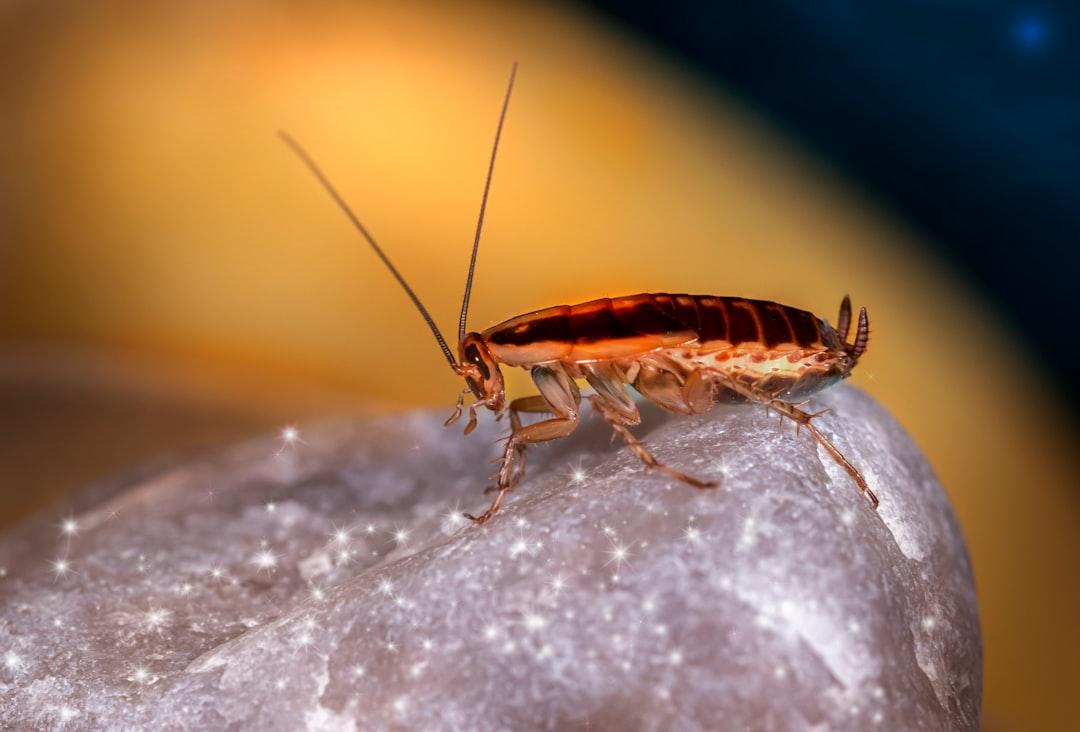
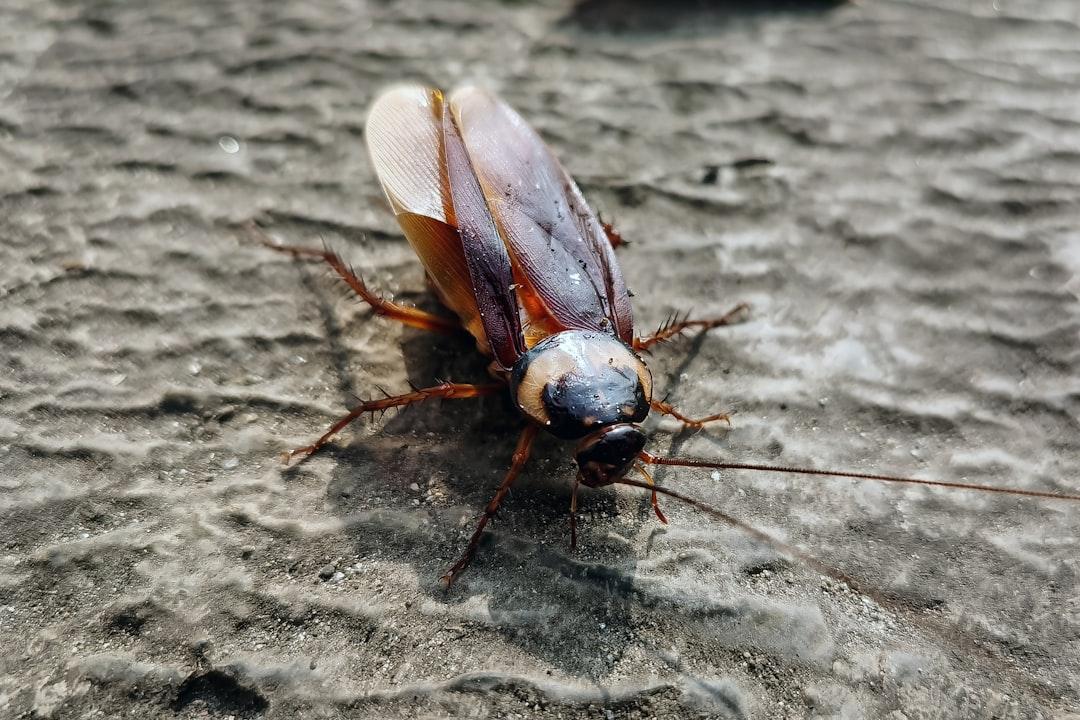
Cockroach infestations are among the most common pest issues in residential and commercial properties. These insects thrive in warm, humid environments and can quickly multiply if left untreated. Professional cockroach control involves identifying entry points, eliminating food sources, and applying targeted treatments.
Treatment methods include gel baits, residual sprays, and monitoring stations placed in strategic locations. Regular follow-up visits ensure complete elimination and prevent future cockroach problems.
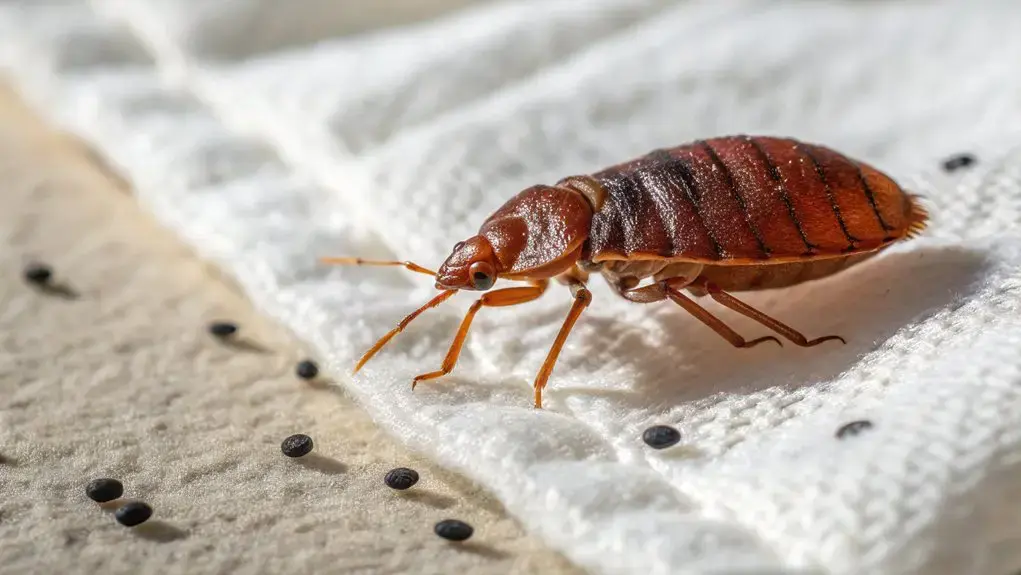
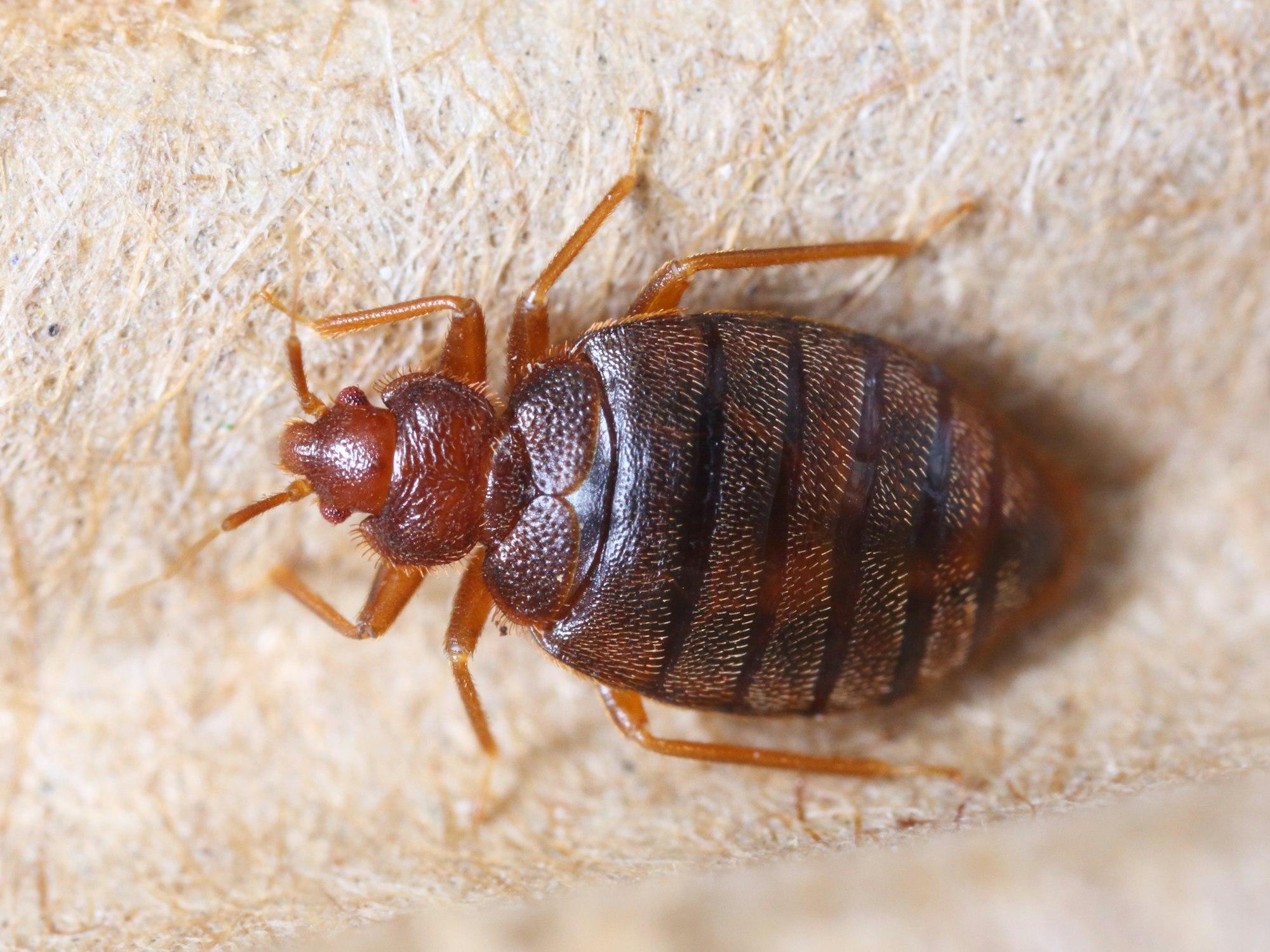
Bed bug infestations require specialized treatment approaches due to their hiding behavior and resistance to many common pesticides. Professional bed bug control involves thorough inspection of sleeping areas, furniture, and potential hiding spots. Heat treatment and targeted chemical applications are commonly used methods.
Complete bed bug elimination typically requires multiple treatment sessions and careful monitoring. Property owners receive detailed instructions for preparation and post-treatment care to ensure treatment effectiveness.
Ant colonies can establish themselves both indoors and outdoors, creating persistent problems for property owners. Effective ant control involves identifying the species, locating nest sites, and eliminating the entire colony. Different ant species require different treatment strategies.
Treatment approaches include baiting systems, residual sprays, and exclusion methods to prevent future ant entry. Professional technicians address both visible ants and hidden colony structures.
Flying insects like mosquitoes and flies create health and comfort concerns for residents and businesses. Mosquito control focuses on eliminating breeding sites and applying targeted treatments to areas where mosquitoes rest and reproduce. Fly control addresses both indoor and outdoor populations.
Treatment methods include larvicide applications, adult mosquito sprays, and installation of monitoring and control devices. Regular maintenance helps maintain effective mosquito and fly control throughout the year.
Rodent problems require immediate attention due to health risks and property damage potential. Professional rodent control involves sealing entry points, removing food sources, and implementing trapping or baiting programs. Different rodent species require specific control strategies.
Comprehensive rodent management includes ongoing monitoring and maintenance to prevent future infestations. Property owners receive recommendations for structural modifications and sanitation improvements.
Termite infestations can cause significant structural damage if left untreated. Professional termite control begins with thorough inspection to assess infestation extent and identify termite species. Treatment options include soil treatments, bait stations, and direct wood treatments.
Termite protection programs often include regular monitoring and preventive treatments to protect properties from future termite damage. Early detection and treatment are crucial for minimizing structural damage.
Pest birds can create sanitation problems and property damage in commercial and residential settings. Professional bird control solutions include exclusion methods, deterrent systems, and habitat modification strategies. Different bird species require different control approaches.
Humane bird control methods focus on preventing roosting and nesting without harming the birds. Solutions may include netting, spike systems, and electronic deterrents depending on the specific situation.
The professional pest control process follows systematic steps to ensure thorough and effective treatment. This comprehensive approach includes initial assessment, customized planning, treatment application, and ongoing monitoring. Each step is crucial for achieving lasting pest control results.
The initial inspection process involves detailed examination of the entire property to identify pest issues, entry points, and contributing factors. Trained technicians assess both interior and exterior areas to understand the scope of pest problems. This assessment forms the foundation for developing effective treatment strategies.
Documentation during inspection includes pest identification, infestation levels, and environmental conditions that support pest activity. Property owners receive detailed reports explaining findings and recommended treatment approaches.
Based on inspection findings, technicians develop customized treatment plans tailored to specific pest issues and property characteristics. Treatment plans consider pest species, infestation severity, property usage, and safety requirements. Each plan includes detailed timelines and expected outcomes.
Customized approaches ensure appropriate treatment methods for each situation. Property owners receive explanations of proposed treatments and any preparation requirements before treatment begins.
Treatment application follows established protocols to ensure safety and effectiveness. Technicians use appropriate equipment and materials based on the treatment plan and property requirements. Proper application techniques are essential for achieving optimal results while maintaining safety standards.
During treatment, technicians monitor application rates and coverage to ensure complete pest control. Safety protocols protect occupants and technicians throughout the treatment process.
Post-treatment monitoring ensures treatment effectiveness and identifies any remaining pest activity. Follow-up visits allow technicians to assess results and make adjustments as needed. Prevention strategies help maintain long-term pest control and reduce future infestation risks.
Ongoing support includes recommendations for sanitation improvements, structural modifications, and maintenance practices that prevent pest problems. Regular monitoring schedules help detect new pest activity early.
Residential properties require specialized pest control approaches that prioritize family safety and comfort. Home pest control services address common household pests while using safe treatment methods appropriate for living spaces. These services help maintain healthy, comfortable home environments.
Home protection involves comprehensive pest management strategies that address current infestations and prevent future problems. Family safety remains the top priority in all treatment decisions and application methods. Treatments are scheduled at convenient times to minimize disruption to daily routines.
Protective measures include sealing entry points, eliminating pest attractants, and creating barriers that prevent pest access to living areas. Education helps homeowners understand their role in maintaining pest-free conditions.
Residential treatments prioritize low-toxicity products and application methods that minimize exposure risks for families and pets. Safe treatment protocols include proper timing, adequate ventilation, and clear communication about any necessary precautions during and after treatment.
Apartment treatments consider shared building systems and neighbor proximity. Coordination with property management ensures effective treatment while maintaining tenant safety and comfort.
Prevention strategies help homeowners maintain pest-free conditions between professional treatments. These strategies include regular cleaning practices, proper food storage, moisture control, and landscape management. Simple preventive measures significantly reduce pest attraction and breeding opportunities.
Homeowner education covers pest identification, early warning signs, and immediate response actions. Regular prevention helps reduce the frequency and intensity of professional treatments needed.

Commercial properties face unique pest control challenges due to business operations, customer presence, and regulatory requirements. Professional commercial services address these challenges while maintaining business continuity and compliance with health regulations.
Business environments require consistent pest control to maintain health standards and customer confidence. Professional services help businesses meet regulatory requirements while protecting their reputation and operations. Regular monitoring and treatment ensure ongoing protection against pest-related business disruptions.
Hygienic conditions are particularly crucial for food service, healthcare, and hospitality businesses where pest issues can create serious health risks and regulatory violations.
Different business types require specialized pest control approaches based on their unique challenges and requirements. Office buildings focus on preventing pest entry and maintaining professional environments. Restaurants require intensive programs to prevent food contamination and meet health regulations.
Hotels need comprehensive programs that protect guest comfort while maintaining operational efficiency. Retail businesses require discrete services that don't disrupt customer shopping experiences.
Commercial pest control services are scheduled to minimize business disruption while maintaining treatment effectiveness. Many treatments can be performed during off-hours or low-activity periods. Emergency services are available for urgent situations that could impact business operations.
Treatment planning considers business schedules, customer traffic patterns, and operational requirements. Clear communication ensures business owners understand treatment schedules and any necessary preparations.

Professional pest control provides advantages that DIY approaches cannot match. Expert knowledge, specialized equipment, and proven methods ensure more effective and lasting results. Professional services also provide safety assurances and regulatory compliance that protect property owners from liability.
Uncontrolled pest infestations create multiple risks including health hazards, property damage, and business disruption. Pest populations can grow rapidly in favorable conditions, making early intervention crucial for preventing serious problems. Delayed treatment often results in higher costs and more extensive damage.
Health risks include disease transmission, allergic reactions, and contamination of food and water sources. Property damage includes structural harm, equipment damage, and inventory loss in commercial settings.
Many pests carry diseases or create conditions that threaten human health. Rodents can transmit various diseases through contact with their droppings, urine, or saliva. Cockroaches spread bacteria and allergens that trigger asthma and allergic reactions in sensitive individuals.
Flying insects like mosquitoes transmit serious diseases including dengue fever and malaria. Professional pest control reduces these health risks through effective elimination and prevention strategies.
Pest infestations can significantly impact property values through structural damage, reputation issues, and ongoing maintenance costs. Termite damage alone can cost thousands of dollars in repair expenses. Regular pest control helps maintain property condition and value.
Documentation of professional pest control services can be valuable for property sales, insurance claims, and tenant relations. Preventive care is generally more cost-effective than reactive treatments after serious infestations develop.
DIY pest control approaches often fail to address root causes of pest problems and may provide only temporary relief. Limited access to professional-grade products and equipment reduces treatment effectiveness. Improper application of pesticides can create safety risks and environmental damage.
Pest identification errors and treatment timing mistakes are common DIY problems that can worsen infestations. Professional expertise helps avoid these pitfalls while ensuring safe and effective pest control.
Professional pest control services are available throughout Deira and surrounding areas. Service coverage includes residential neighborhoods, commercial districts, and mixed-use developments. Convenient scheduling and reliable service make pest control accessible to all property types in the area.
Comprehensive service coverage ensures all residents and businesses have access to professional pest control solutions. Service areas include established residential communities, new developments, and all commercial zones throughout the district. Local knowledge helps technicians understand area-specific pest challenges.
Regular service routes optimize response times and ensure consistent availability throughout the service area. Emergency services are available to all covered locations with appropriate response time commitments.
Multiple service locations and mobile capabilities ensure convenient access to pest control services. Scheduling flexibility accommodates customer preferences for timing and frequency of treatments. Local presence enables quick response to urgent pest situations.
Service convenience includes online booking options, flexible appointment times, and clear communication about service schedules and requirements.
Professional pest control companies typically offer free assessments and quotes for potential customers. These consultations provide valuable information about pest issues and available treatment options. Free quotes help property owners make informed decisions about their pest control needs.
Most pest control companies provide multiple contact methods including phone, email, and online forms. Phone contact often provides the quickest response for urgent situations. Email and online contacts are convenient for non-urgent inquiries and detailed information requests.
Contact information is typically available 24/7 for emergency situations, with business hours clearly specified for routine inquiries and appointments.
Online booking systems provide convenient scheduling for customers who prefer digital communication. These systems typically allow customers to select service types, preferred dates, and provide property information. Online booking often includes immediate confirmation and reminder systems.
Digital booking platforms streamline the appointment process while ensuring all necessary information is collected before service visits.
Professional pest control companies typically emphasize their experience, training, and commitment to customer satisfaction. Company background information helps customers understand the provider's qualifications and service philosophy. Established companies often have extensive experience handling various pest situations.
Quality pest control companies focus on customer satisfaction through effective treatments, clear communication, and responsive support. Quality commitment includes ongoing technician training, modern equipment, and proven treatment methods. Customer feedback systems help companies continuously improve their services.
Satisfaction measures often include treatment effectiveness, appointment punctuality, technician professionalism, and clear communication throughout the service process.
Professional pest control companies maintain required licenses and certifications for legal operation in Dubai. Municipal approval ensures companies meet safety, training, and operational standards. Regular inspections and renewal requirements help maintain these standards over time.
Certification requirements typically include technician training, insurance coverage, and compliance with local regulations governing pest control operations.
Professional teams typically include certified technicians with specialized training in pest identification, treatment methods, and safety protocols. Team experience covers various property types and pest situations. Ongoing training ensures teams stay current with industry developments and best practices.
Team expertise enables effective problem-solving and customized treatment approaches for different pest challenges and property requirements.

Customer feedback provides valuable insights into service quality and effectiveness. Reviews often highlight treatment results, technician professionalism, and overall customer experience. Testimonials help potential customers understand what to expect from professional pest control services.
Customer testimonials typically emphasize effective pest elimination, professional service delivery, and positive customer support experiences. Many customers appreciate clear communication, punctual service, and lasting results. Commercial customers often highlight minimal business disruption and compliance support.
Reviews commonly mention technician knowledge, treatment effectiveness, and responsive customer service as key satisfaction factors.