Loading...

Pest control in Discovery Gardens is an on-site service with a technician, not a product sale. The visit focuses on common hotspots in apartments and buildings (kitchens, bathrooms, balconies, service...
Pest control in Discovery Gardens is an on-site service with a technician, not a product sale. The visit focuses on common hotspots in apartments and buildings (kitchens, bathrooms, balconies, service ducts), then applies a treatment plan adapted to the pest type and severity.
7.0K reviews
December 2025
Excellent and very professional service
December 2025
Very good service
December 2025
Very professional service.
December 2025
Friendly and efficient

Professional pest management addresses critical health and safety concerns that arise from various pest infestations in residential and commercial properties. These services protect occupants from disease transmission, structural damage, and contamination issues that can significantly impact daily life and business operations.
Pest infestations pose serious health risks through disease transmission, contamination of food sources, and exposure to harmful bacteria. Cockroaches, rodents, and flies carry pathogens that can cause respiratory problems, allergic reactions, and various illnesses affecting family members and employees. Professional treatments eliminate these health hazards and create safer environments for all occupants.
Termites and other wood-destroying insects can cause extensive structural damage to buildings, compromising the integrity of foundations, walls, and wooden components. Early detection and professional treatment prevent costly repairs and maintain property values. Regular inspections identify potential issues before they become major structural problems requiring extensive remediation.
Pests contaminate food supplies, damage clothing, and destroy personal belongings through feeding habits and nesting behaviors. Ants, cockroaches, and rodents access stored food items, creating unsanitary conditions and financial losses. Professional pest management protects valuable possessions and maintains hygienic food storage areas.
Clean, pest-free environments enhance comfort levels and support healthy living conditions for residents and workers. Effective pest management eliminates unpleasant odors, reduces stress associated with infestations, and creates peaceful spaces for relaxation and productivity. Regular treatments maintain these comfortable conditions throughout the year.
Many pests act as disease vectors, transmitting harmful microorganisms through direct contact, contaminated surfaces, and airborne particles. Mosquitoes spread various viral infections, while rodents carry bacteria and viruses that affect human health. Professional control measures break disease transmission cycles and protect community health.
The area experiences various pest issues throughout the year, requiring targeted approaches for effective management. Understanding common pest behaviors and habitats enables the development of customized treatment strategies that address specific infestations while preventing future occurrences.
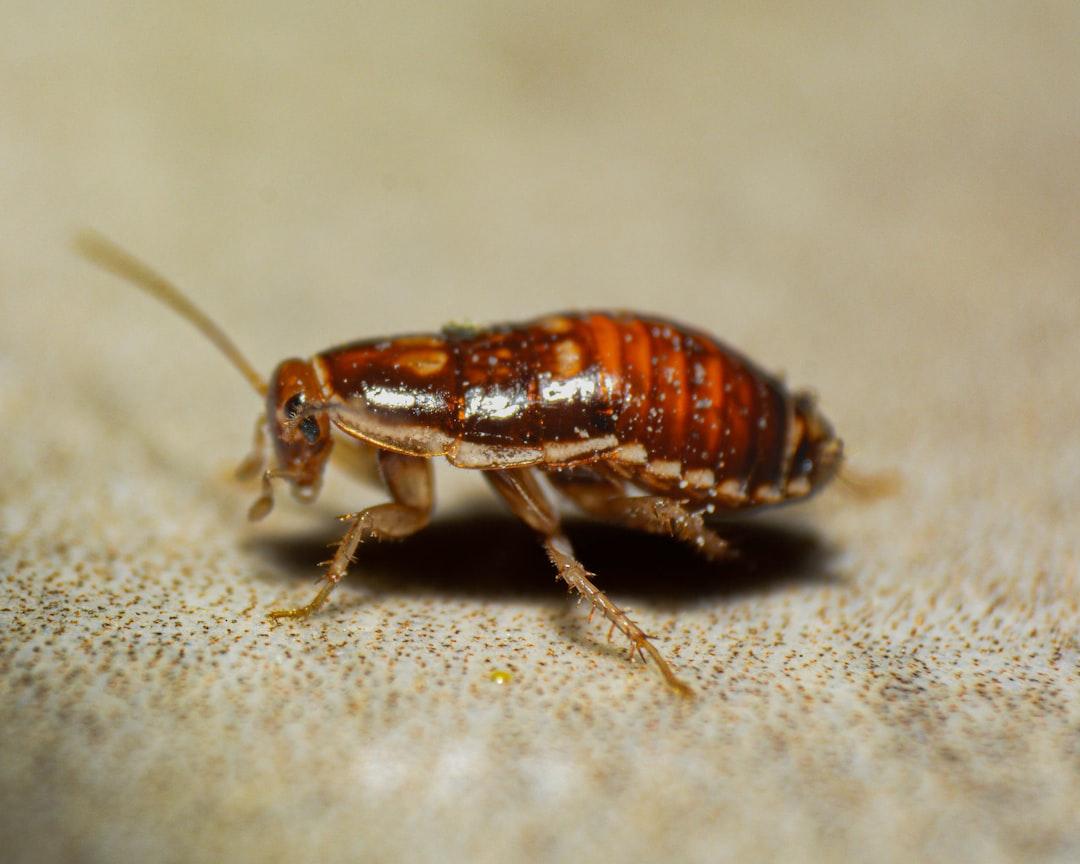
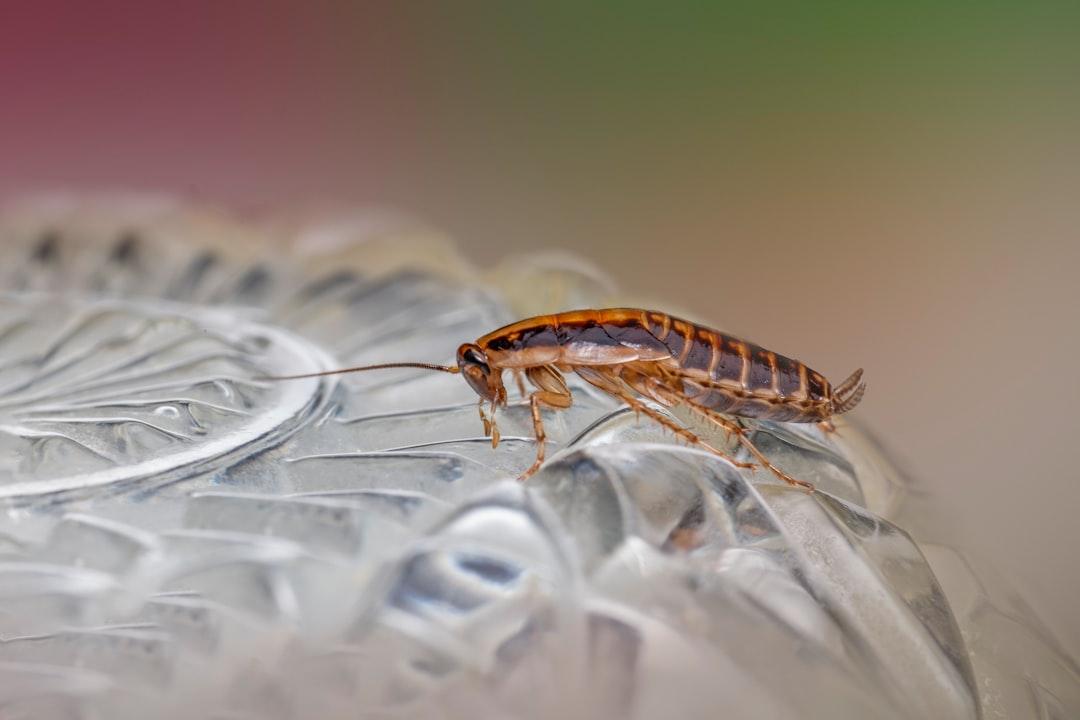
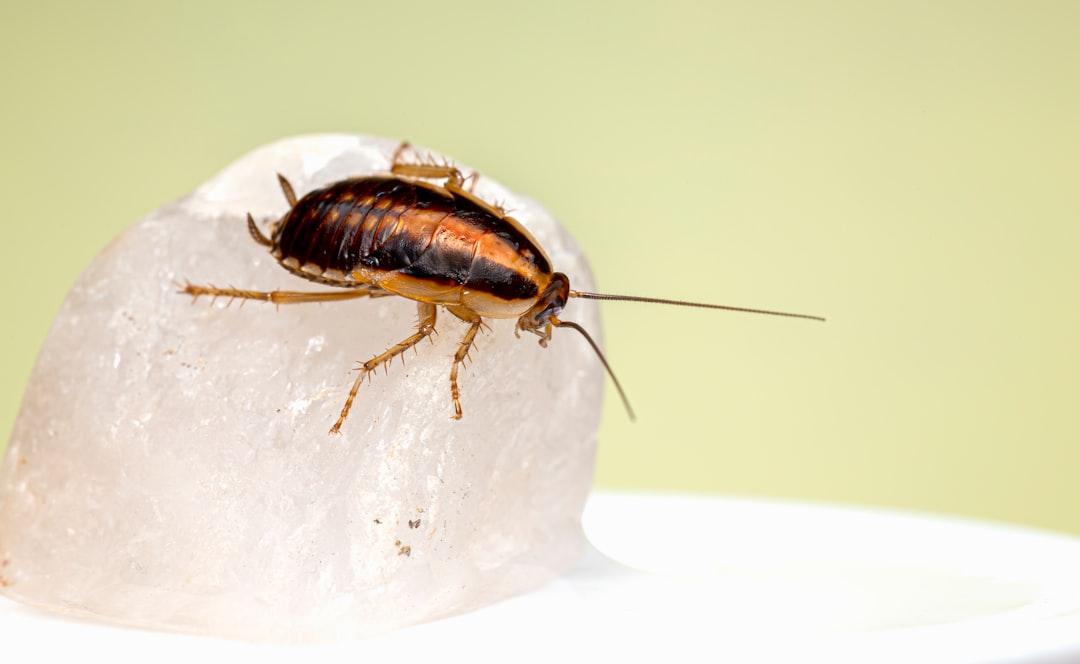
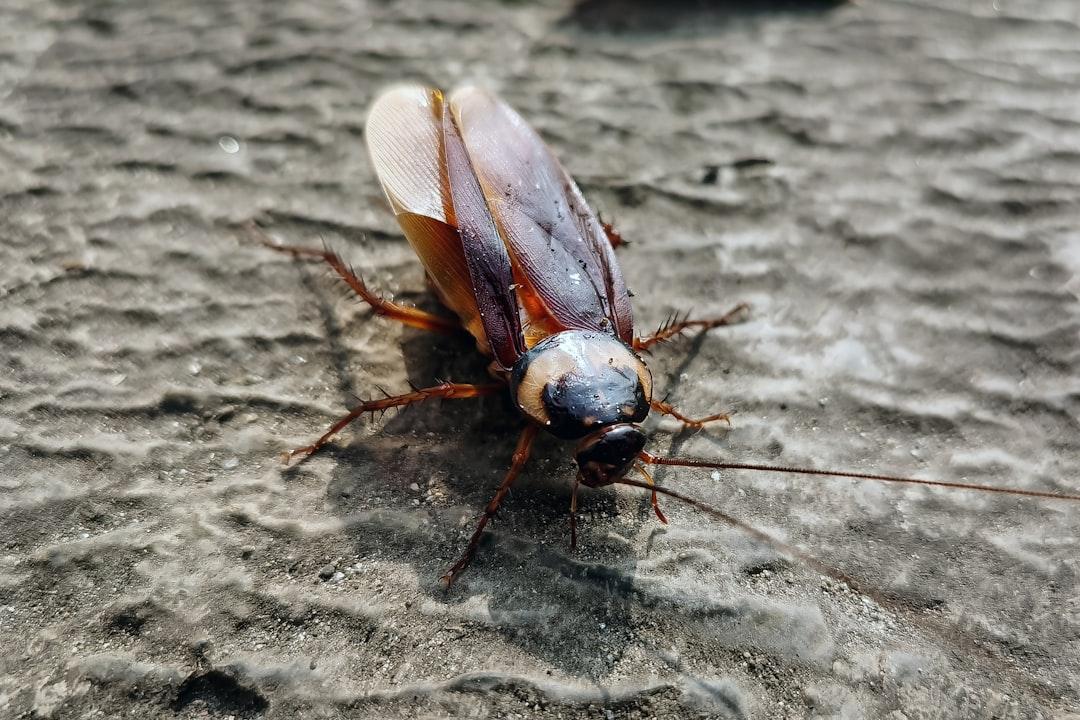
Cockroach infestations require comprehensive treatment approaches that target breeding sites, eliminate food sources, and create protective barriers around properties. Professional technicians use advanced baiting systems and residual treatments to eliminate existing populations and prevent reinfestation. Regular monitoring ensures long-term control and maintains hygienic conditions.
Ant colonies establish complex networks throughout properties, requiring systematic elimination of entire populations rather than individual workers. Treatment programs identify colony locations, eliminate queen ants, and create protective barriers around entry points. Specialized baits target different ant species while ensuring safe application around sensitive areas.
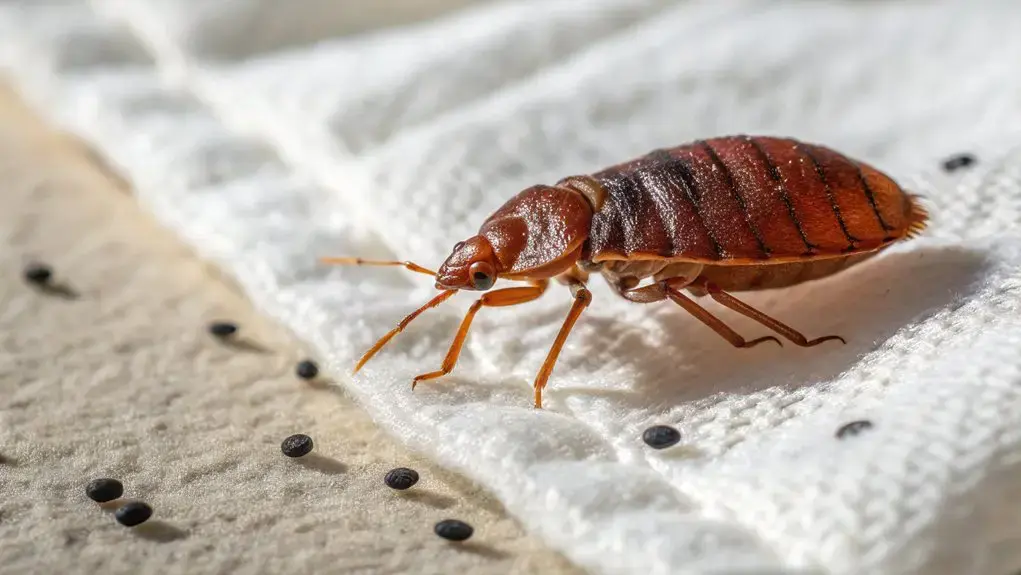
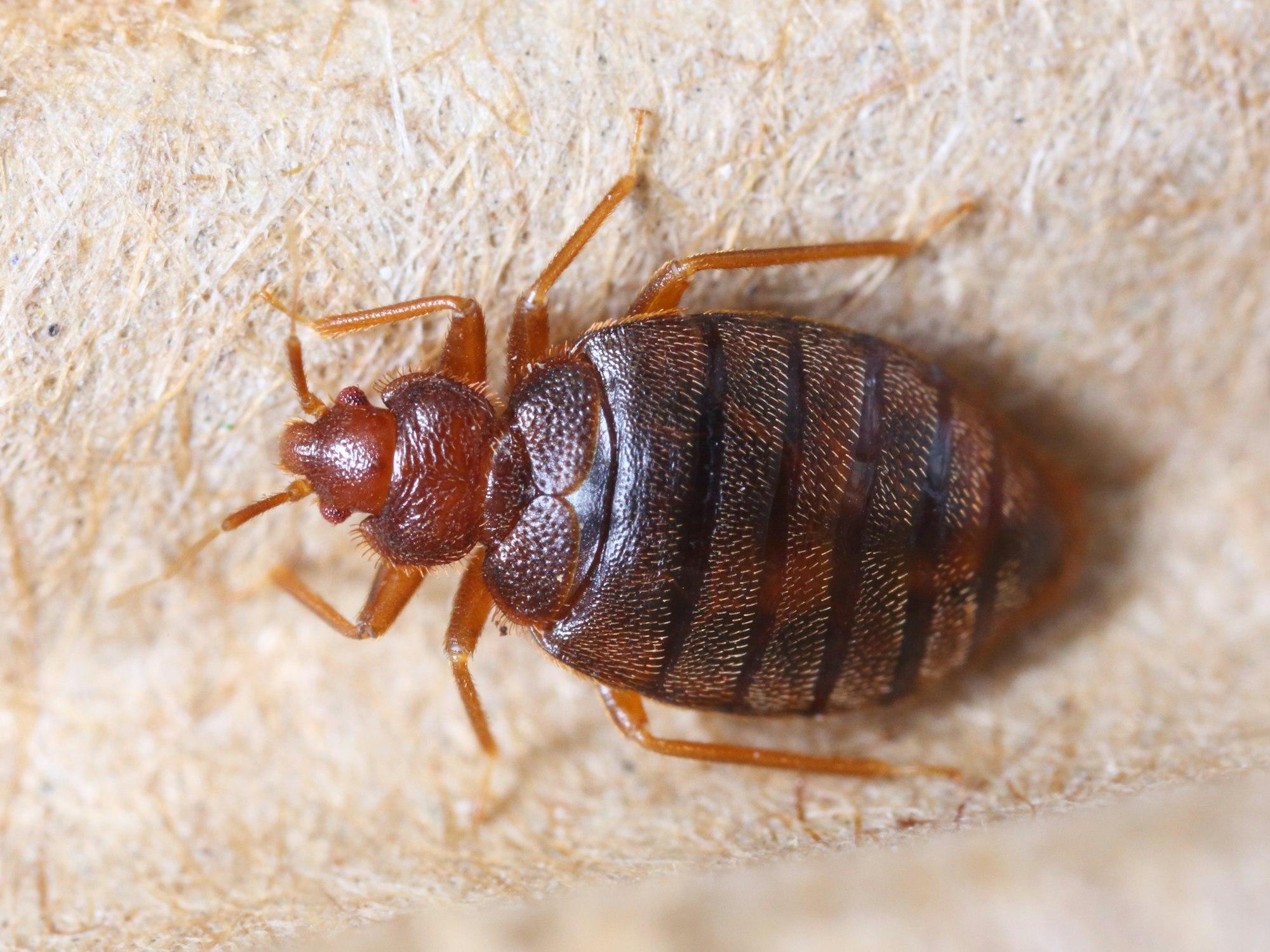
Bed bug infestations demand intensive treatment protocols that address all life stages, from eggs to adult insects. Heat treatments, chemical applications, and thorough inspections eliminate hidden populations in mattresses, furniture, and wall voids. Follow-up visits ensure complete elimination and provide guidance for preventing reintroduction.
Rodent management combines exclusion techniques, population reduction methods, and ongoing monitoring to achieve sustainable control. Professionals identify entry points, eliminate food sources, and implement trapping programs that safely remove existing populations. Exclusion work prevents future access while maintaining humane treatment standards.
Termite control requires thorough property inspections to identify active infestations, assess damage levels, and develop appropriate treatment strategies. Soil treatments, baiting systems, and wood treatments protect structures from ongoing damage while eliminating existing colonies. Regular inspections maintain protective barriers and detect new activity early.
Flying insect management targets breeding sites, adult populations, and entry points to reduce numbers and prevent disease transmission. Larvicide treatments eliminate breeding opportunities while adult control measures reduce immediate populations. Integrated approaches combine multiple techniques for comprehensive management of flying pest issues.
Spider control programs focus on habitat modification, web removal, and targeted treatments that reduce populations without affecting beneficial species. Professional technicians identify venomous species and implement appropriate safety measures during treatment. Regular maintenance prevents web rebuilding and reduces spider activity around properties.
Stinging insect management requires specialized equipment and techniques to safely remove nests without endangering occupants or technicians. Professional removal preserves beneficial bee species when possible while eliminating dangerous wasp colonies. Emergency response services address immediate threats while planning long-term prevention strategies.
Professional pest management combines scientific principles, advanced technologies, and proven methodologies to deliver effective solutions for various pest problems. This systematic approach ensures thorough problem assessment, appropriate treatment selection, and sustainable long-term management of pest issues.
Detailed property inspections identify pest species, assess infestation levels, and locate breeding sites, entry points, and conducive conditions. Trained technicians document findings and develop comprehensive understanding of pest dynamics affecting specific properties. This assessment forms the foundation for effective treatment planning and implementation.
Individual treatment programs address specific pest issues, property characteristics, and client preferences while ensuring optimal results. Treatment plans consider pest biology, environmental factors, and safety requirements to select appropriate methods and materials. Regular plan reviews and adjustments maintain effectiveness and adapt to changing conditions.
Treatment implementation prioritizes safety for occupants, pets, and the environment while achieving complete pest elimination. Professional technicians apply treatments according to established protocols and manufacturer guidelines to ensure optimal results. Safety measures protect sensitive areas and minimize exposure risks during and after treatment applications.
Environmental responsibility guides treatment selection, emphasizing low-impact methods that protect ecosystems and non-target species. Pet-safe formulations and application techniques ensure animal welfare while maintaining treatment effectiveness. Green pest management approaches reduce environmental impact without compromising pest control results.
Modern pest management utilizes innovative tools, equipment, and techniques that improve treatment precision and effectiveness. Technology applications include monitoring systems, precision application equipment, and data management tools that enhance service quality. Continuous technology adoption ensures access to the most effective and efficient pest management solutions available.
Professional service providers offer distinct advantages through experience, certification, and commitment to customer satisfaction. These qualities ensure reliable service delivery, effective problem resolution, and ongoing support for maintaining pest-free environments.
Qualified professionals possess extensive training, industry certifications, and practical experience in managing various pest problems. Ongoing education ensures technicians stay current with new techniques, products, and regulations affecting pest management services. This expertise enables accurate problem diagnosis and effective treatment implementation across diverse situations.
Emergency services provide immediate response to urgent pest situations that threaten health, safety, or property. Rapid response capabilities ensure prompt problem assessment and initial control measures while planning comprehensive treatment programs. Emergency support includes weekend and holiday availability for critical pest management needs.
Service warranties provide peace of mind and demonstrate confidence in treatment effectiveness and professional service delivery. Warranty coverage includes retreatment options, follow-up services, and ongoing support to ensure customer satisfaction. Clear warranty terms establish expectations and provide protection for service investments.
Competitive pricing structures provide value while maintaining service quality and effectiveness. Transparent pricing includes detailed service descriptions, treatment specifications, and clear cost breakdowns that help customers make informed decisions. Flexible payment options and service packages accommodate various budget requirements and preferences.
Area-specific knowledge enhances service effectiveness through understanding of local pest pressures, environmental conditions, and property characteristics. Local expertise enables targeted approaches that address regional pest issues while considering community factors affecting pest management success. This knowledge improves treatment outcomes and customer satisfaction.
Customer-focused service delivery prioritizes client needs, preferences, and feedback to ensure positive experiences and successful outcomes. Regular communication, responsive support, and quality assurance measures maintain high service standards. Customer satisfaction metrics guide continuous improvement efforts and service enhancement initiatives.
Proper licensing and regulatory compliance ensure adherence to local standards, safety requirements, and professional guidelines. Approved service providers meet established criteria for training, insurance, and operational standards that protect customers and communities. Regulatory compliance demonstrates professionalism and commitment to industry standards.
Systematic service delivery follows established protocols that ensure thorough problem assessment, effective treatment implementation, and ongoing management support. This structured approach maximizes treatment effectiveness while providing clear expectations for service delivery.
Service begins with comprehensive property assessment and client consultation to understand pest issues, concerns, and service preferences. Detailed inspections identify pest species, infestation levels, and contributing factors affecting pest activity. Documentation includes findings, recommendations, and treatment options tailored to specific situations.
Information gathered during inspections guides development of customized treatment plans that address identified pest issues and client requirements. Strategy development considers pest biology, environmental factors, and safety requirements to select appropriate methods and materials. Treatment plans include timelines, application procedures, and follow-up requirements.
Treatment implementation follows established protocols and safety procedures to ensure effective pest elimination and occupant protection. Professional application techniques maximize treatment effectiveness while minimizing exposure risks and environmental impact. Quality control measures ensure proper application and immediate problem resolution.
Post-treatment support includes monitoring, evaluation, and additional services as needed to maintain pest-free conditions. Prevention education helps customers understand factors that contribute to pest problems and implement management practices that reduce future risks. Ongoing support ensures long-term success and customer satisfaction.
Home pest management addresses unique challenges associated with different residential property types and living situations. Customized approaches consider family safety, pet welfare, and lifestyle factors while delivering effective pest elimination and prevention services.
Multi-unit residential buildings require coordinated pest management approaches that address individual units and common areas. Treatment programs consider shared walls, common entry points, and building-wide pest pressures that affect multiple residents. Coordination with property management ensures comprehensive treatment coverage and ongoing management support.
Standalone residential properties benefit from comprehensive treatment programs that address entire structures, surrounding landscapes, and outdoor areas. Villa treatments include perimeter protection, interior pest elimination, and garden area management to create complete pest-free environments. Customized programs accommodate unique architectural features and landscaping elements.
Connected residential units require specialized approaches that consider shared walls, common areas, and coordinated treatment timing with neighboring properties. Management programs address individual unit needs while considering community factors affecting pest activity. Coordination ensures effective treatment delivery without disrupting neighboring residents.
Business pest management requires specialized approaches that address industry-specific requirements, regulatory compliance, and operational considerations. Professional commercial services ensure minimal business disruption while maintaining effective pest control and regulatory adherence.
Workplace pest management maintains professional environments while protecting employee health and business operations. Office treatments address common pest issues including ants, cockroaches, and flying insects that affect productivity and comfort. Discreet service delivery minimizes disruption during business hours while ensuring effective pest elimination.
Food service establishments require intensive pest management programs that meet health department requirements and protect food safety standards. Specialized treatments address pest issues common in food preparation and storage areas while ensuring compliance with sanitation regulations. Regular monitoring and documentation support health inspection requirements.
Retail pest management protects merchandise, maintains customer comfort, and preserves business reputation through effective pest elimination and prevention. Treatment programs address storage areas, customer spaces, and receiving zones that commonly experience pest activity. Flexible scheduling accommodates business hours and customer traffic patterns.
Hospitality pest management maintains guest comfort and satisfaction while protecting business reputation and operational efficiency. Comprehensive programs address guest rooms, common areas, food service facilities, and back-of-house areas that require pest-free conditions. Discreet service delivery preserves guest experience while ensuring effective pest management.
Industrial pest management addresses large-scale facilities, stored products, and operational equipment that require specialized treatment approaches. Programs protect inventory, maintain operational efficiency, and ensure worker safety in complex industrial environments. Treatment strategies accommodate production schedules and safety requirements specific to industrial operations.
Prevention strategies reduce pest attraction factors and create environments that discourage pest establishment and reproduction. Implementing these practices between professional treatments enhances long-term pest management success and reduces service frequency requirements.
Regular cleaning removes food sources, eliminates pest attractants, and disrupts breeding sites that support pest populations. Daily cleaning routines, proper waste management, and thorough sanitization create unfavorable conditions for pest establishment. Attention to hidden areas and hard-to-reach spaces enhances prevention effectiveness.
Secure food storage prevents pest access to nutrition sources that sustain infestations and encourage population growth. Sealed containers, refrigerated storage, and proper pantry organization eliminate feeding opportunities for common household pests. Regular inventory rotation ensures early detection of contamination issues.
Physical exclusion prevents pest entry through gaps, cracks, and openings that provide access to interior spaces. Regular inspection and sealing of potential entry points creates barriers that force pests to seek alternative locations. Weather stripping, caulking, and screening enhance exclusion effectiveness.
Moisture control eliminates water sources that attract pests and support reproduction in humid environments. Proper ventilation, leak repairs, and drainage improvements create dry conditions that discourage pest activity. Dehumidification and water source elimination enhance prevention programs.
Ongoing maintenance addresses structural issues, landscaping problems, and environmental factors that contribute to pest problems. Regular inspections identify developing issues before they become major problems requiring intensive treatment. Maintenance includes exterior improvements and interior modifications that support pest prevention goals.
Professional assessment provides detailed information about pest issues, treatment options, and service recommendations tailored to specific property needs. Free quotes include comprehensive property evaluation, treatment plan development, and transparent pricing information. Contact information and scheduling options facilitate easy access to professional pest management services throughout Discovery Gardens and surrounding areas in the UAE.