Loading...

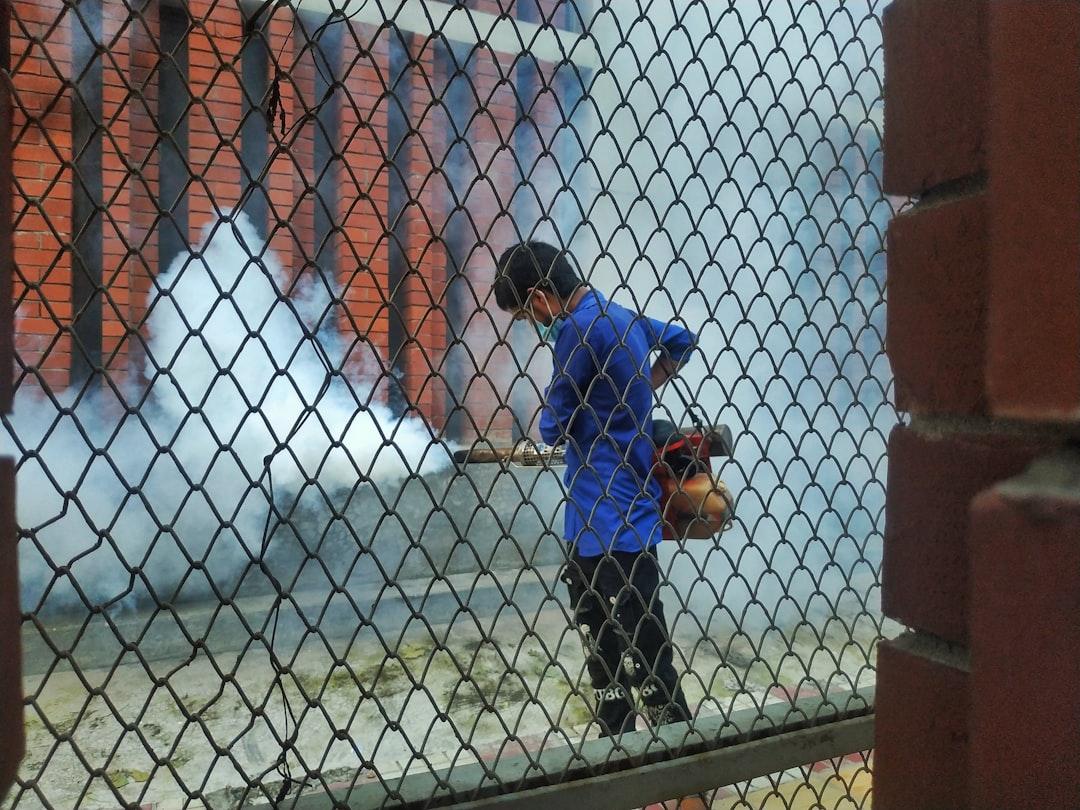
Pest control in Dubai Silicon Oasis is an on-site service performed by a technician, not a product sale. The visit starts with inspection of common hotspots in apartments, villas, and offices, then a ...
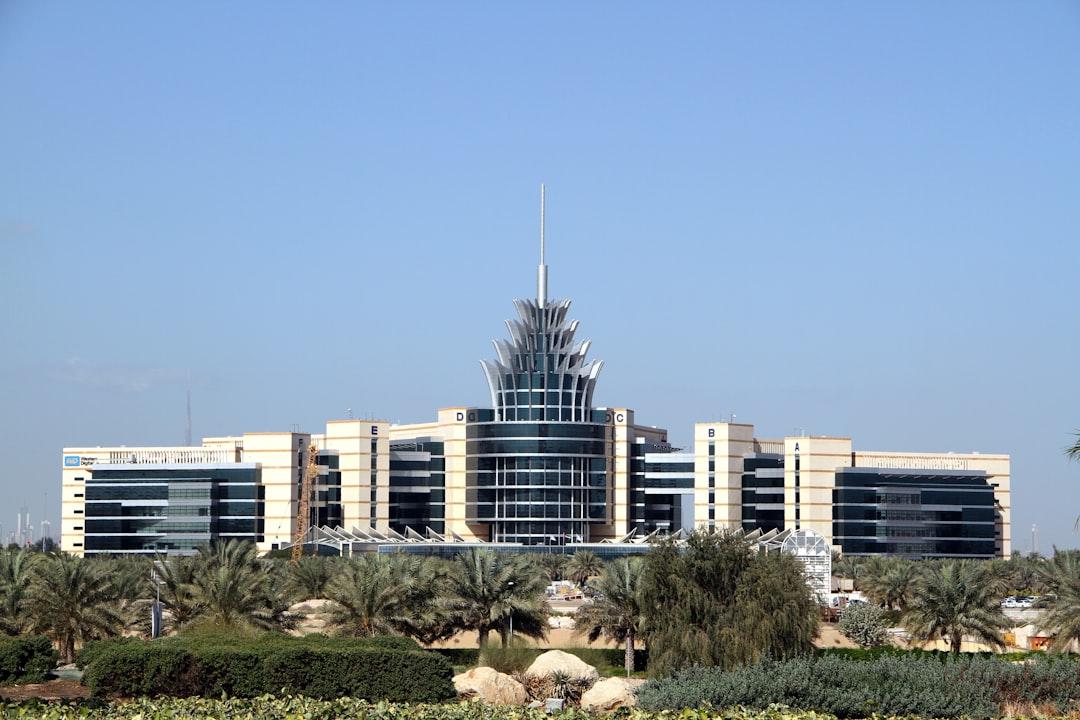
Pest control in Dubai Silicon Oasis is an on-site service performed by a technician, not a product sale. The visit starts with inspection of common hotspots in apartments, villas, and offices, then a targeted treatment plan based on the pest type and severity.
7.0K reviews
December 2025
Excellent and very professional service
December 2025
Very good service
December 2025
Very professional service.
December 2025
Friendly and efficient

Professional providers offer comprehensive pest control services designed to address various infestation types commonly found in residential and commercial properties. These services include thorough inspection procedures, targeted treatment applications, and follow-up measures to ensure effective pest elimination. Service providers utilize municipality approved methods and products that meet safety standards while delivering reliable results.
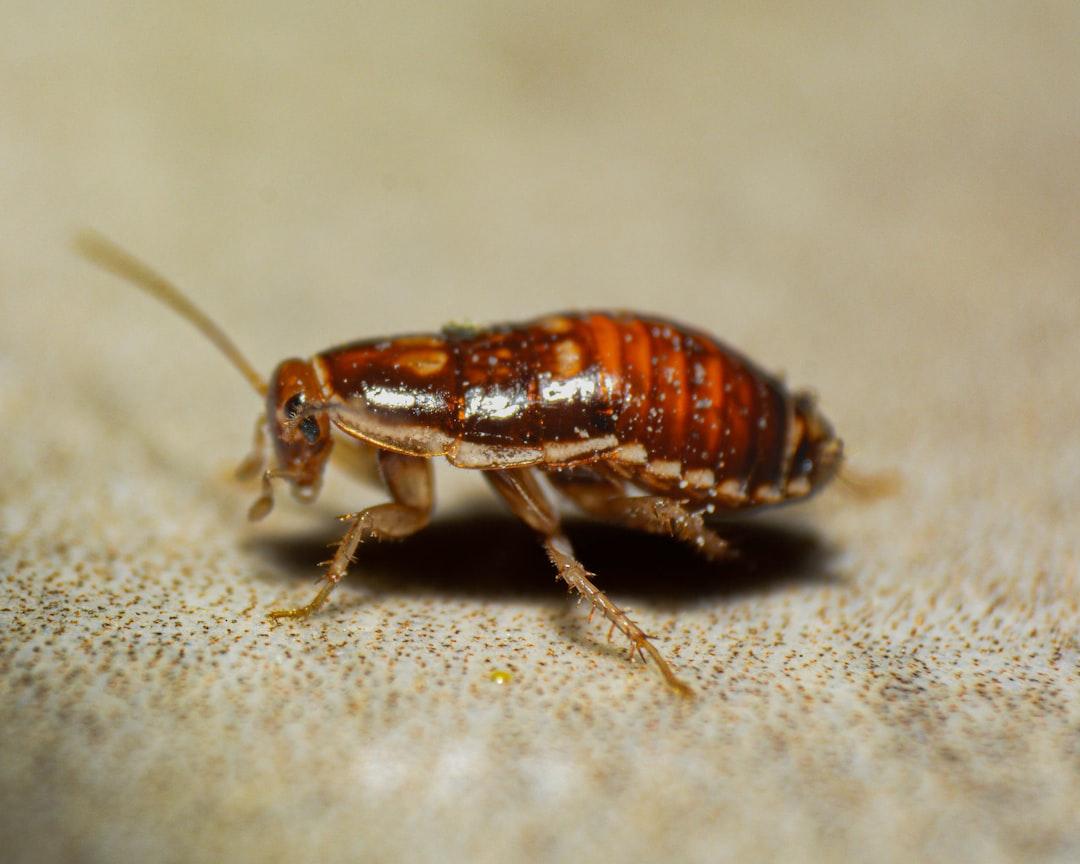
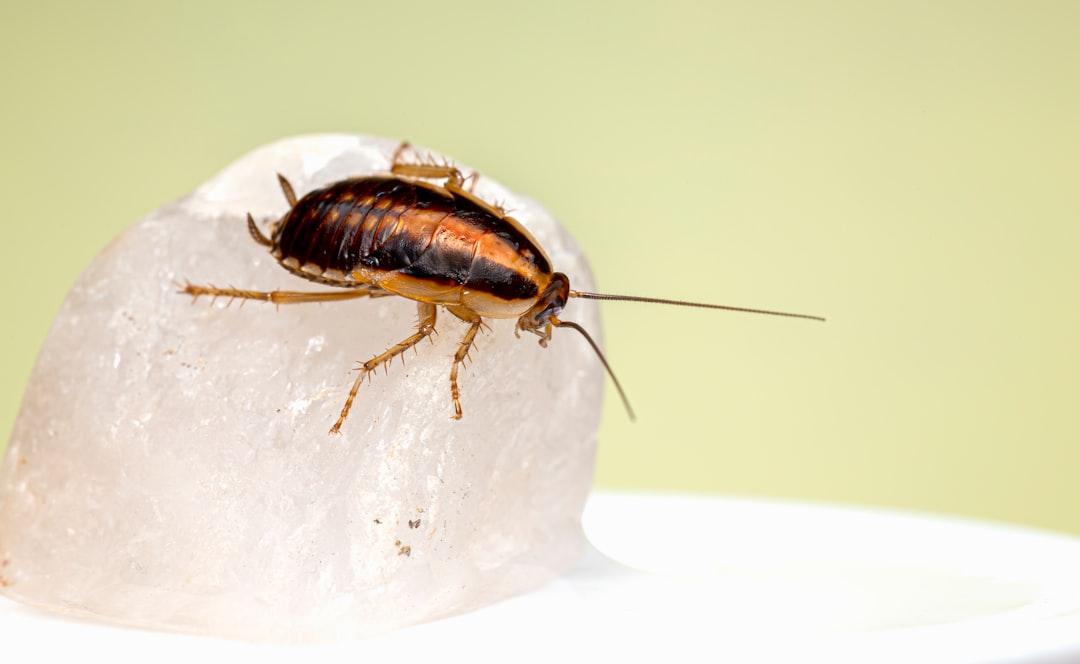
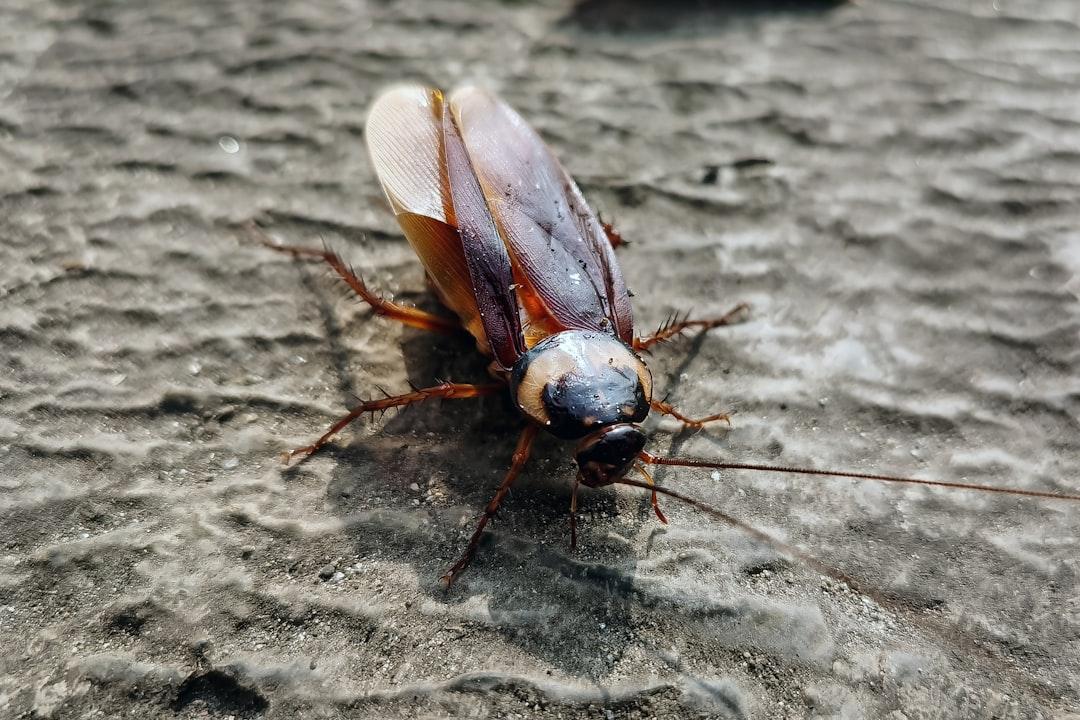
Cockroach control represents one of the most requested services in the area, with professional teams addressing both German and American cockroach species. Treatment protocols involve gel baiting, crack and crevice applications, and residual spraying in key areas where cockroaches typically harbor. These methods provide long-lasting control while maintaining safety for occupants and pets.
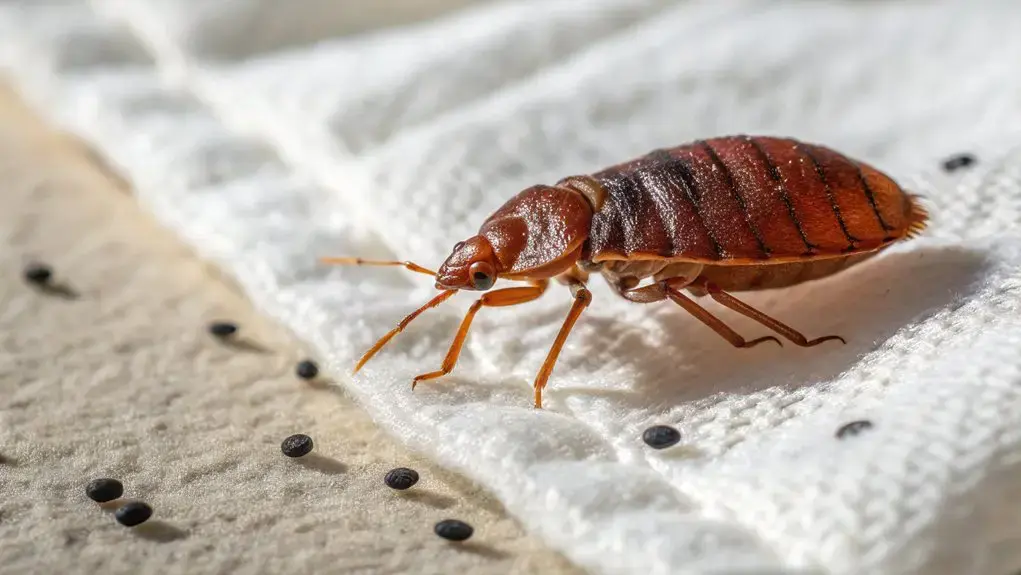
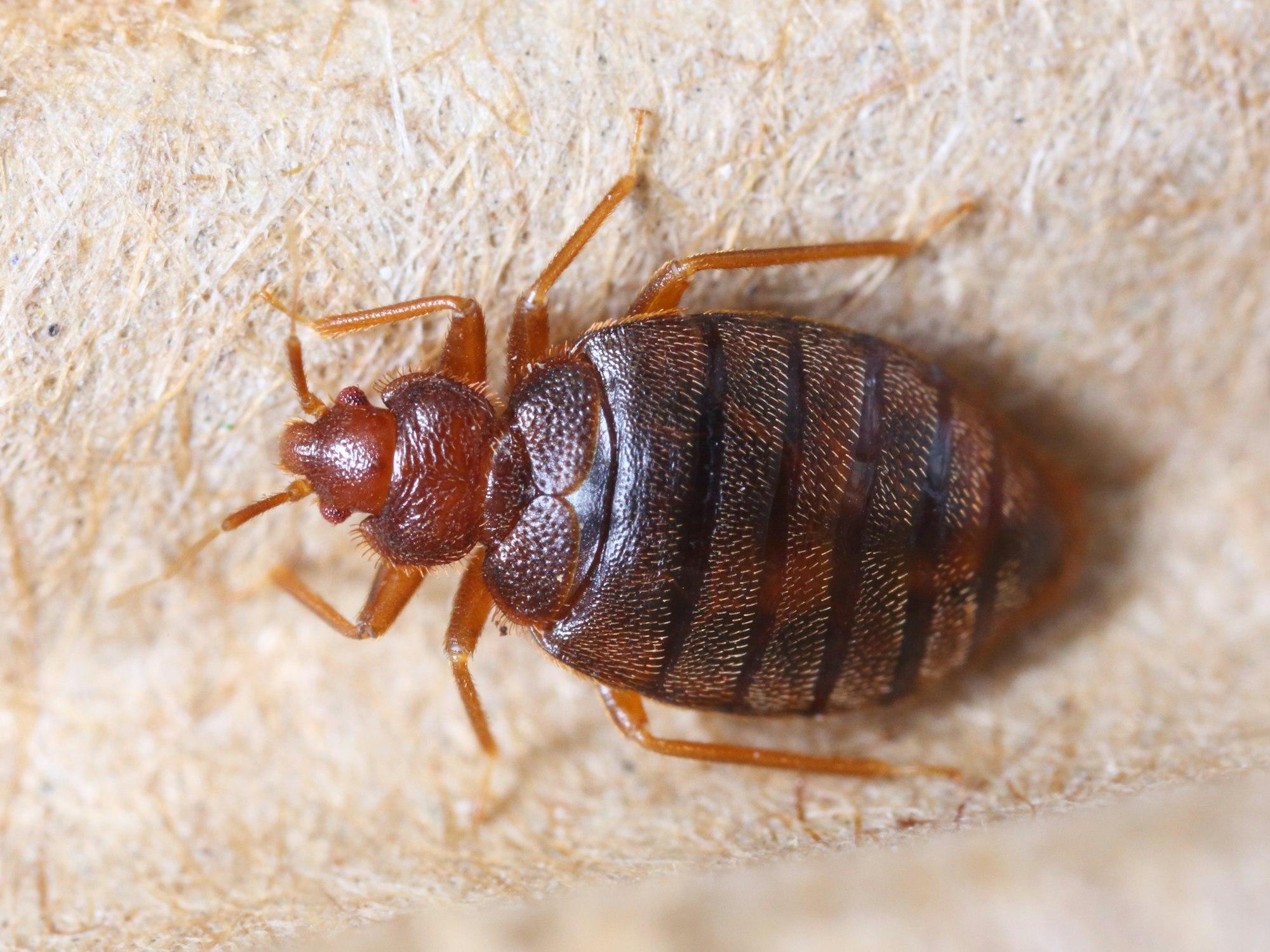
Bed bugs require specialized treatment approaches combining heat treatment, steam applications, and targeted insecticide use. Professional teams conduct thorough inspections to identify all harborage areas and develop comprehensive treatment plans. Multiple visits may be necessary to eliminate all life stages and prevent re-infestation.
Termite control services protect properties from structural damage caused by subterranean and drywood termite species. Professional providers offer both pre-construction soil treatments and post-construction liquid barrier applications. Regular inspections help identify early signs of termite activity before significant damage occurs.
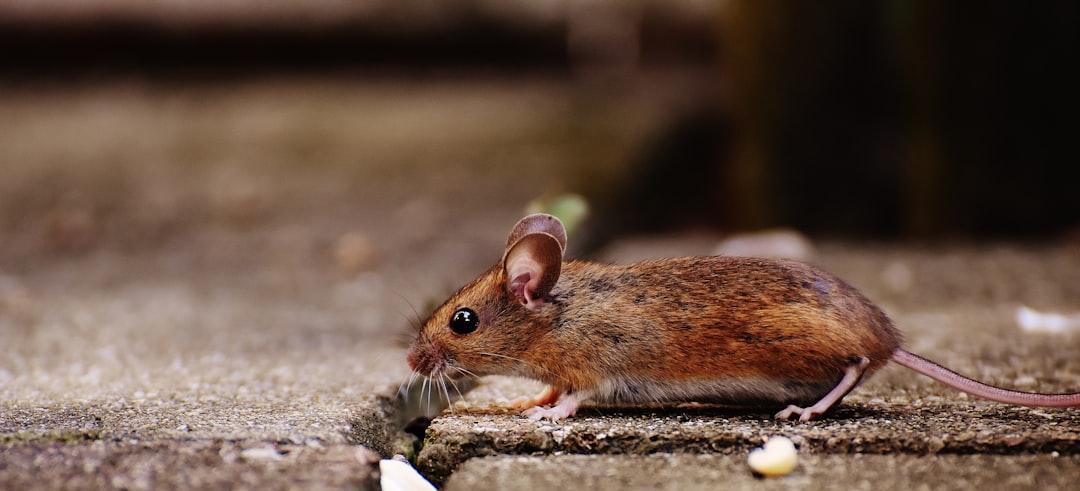
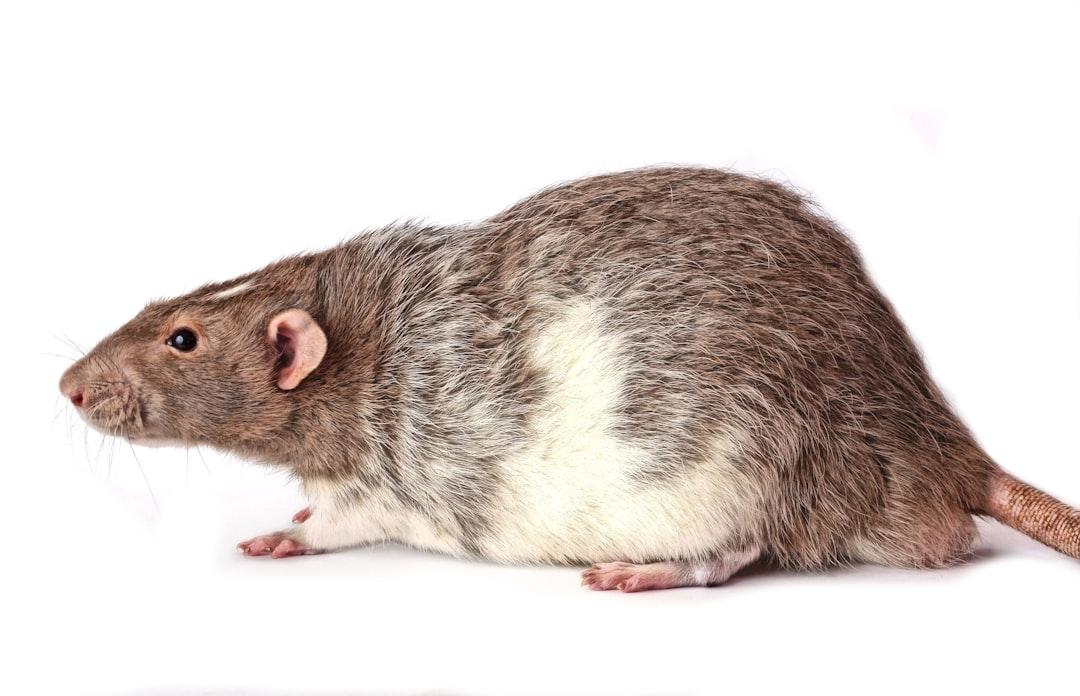
Rodent control involves integrated approaches combining exclusion, trapping, and baiting strategies. Professional teams identify entry points, eliminate food sources, and establish monitoring systems to prevent future infestations. These comprehensive programs address both rats and mice commonly found in urban environments.
Ants control requires species identification and targeted treatment approaches for different ant types. Professional providers use gel baits, granular applications, and liquid treatments depending on the specific ant species and infestation patterns. Prevention measures include sealing entry points and eliminating attractants.
Flying insects like mosquitoes and flies require specialized treatment approaches focusing on breeding site elimination and adult population reduction. Professional teams identify breeding areas, apply larvicides where appropriate, and establish ongoing monitoring programs. These services are particularly important for outdoor areas and commercial establishments.
Cost considerations for pest control services depend on multiple factors including property size, pest type, infestation severity, and treatment complexity. Professional providers typically offer free inspection visits to assess the situation and provide accurate pricing estimates. Treatment costs vary based on the specific pest problem and the number of visits required for effective control.
Residential treatment pricing depends on apartment or villa size, accessibility, and the specific pest problems identified during inspection. Single treatments for common pests like ants or cockroaches typically cost less than comprehensive programs for bed bugs or termites. Annual maintenance contracts often provide better value for customers requiring ongoing pest prevention.
Commercial properties require customized pricing based on square footage, business type, and specific pest risks associated with the operation. Restaurants, warehouses, and offices each present different pest challenges requiring tailored treatment approaches. Regular service contracts ensure consistent pest prevention while meeting regulatory requirements.
Affordable pest control options include basic single-visit treatments, seasonal prevention programs, and maintenance contracts with scheduled visits. Many providers offer package deals combining multiple pest types or treatment areas for better overall value. Emergency treatments may carry premium pricing due to urgent response requirements.

Professional pest control employs integrated pest management approaches combining inspection, identification, treatment, and prevention strategies. These comprehensive processes ensure effective pest elimination while minimizing environmental impact and protecting human health. Treatment methods vary based on pest type, property characteristics, and customer preferences.
Thorough inspection forms the foundation of effective pest control programs, with trained technicians examining all areas where pests might harbor or enter. Assessment procedures include identifying pest species, determining infestation levels, and locating contributing factors like moisture sources or entry points. This information guides treatment selection and prevention recommendations.
Treatment application involves various methods including gel baiting, crack and crevice treatments, broadcast applications, and specialized equipment for specific pest types. Professional teams select appropriate methods based on pest biology, property layout, and safety considerations. Application timing and frequency follow established protocols for optimal effectiveness.
Follow-up visits allow technicians to assess treatment effectiveness and make necessary adjustments to ensure complete pest elimination. Monitoring systems help detect any remaining pest activity and guide additional treatment decisions. These ongoing measures are essential for achieving long-term pest-free conditions.
Prevention measures include sealing entry points, eliminating food and water sources, and modifying environmental conditions that attract pests. Professional teams provide recommendations for structural repairs, landscaping modifications, and maintenance practices that reduce pest risks. These proactive approaches help prevent future infestations and reduce treatment needs.
Quality pest control providers maintain high standards for service delivery, technician training, and customer satisfaction. Service expectations include professional conduct, thorough work performance, and clear communication throughout the treatment process. Licensed providers follow established protocols and safety guidelines while delivering effective pest solutions.
Professional technicians receive comprehensive training in pest biology, treatment methods, and safety procedures to ensure competent service delivery. Ongoing education keeps teams current with new technologies, products, and regulatory requirements. Licensed professionals carry proper identification and maintain detailed service records for each property visit.
Effective treatments achieve substantial pest reduction within specified timeframes while maintaining safety for occupants and environment. Quality providers stand behind their work with follow-up visits and additional treatments when necessary to achieve desired results. Treatment effectiveness is measured through careful monitoring and customer feedback.
Clear communication includes explaining treatment procedures, safety precautions, and expected outcomes before beginning work. Documentation provides detailed records of services performed, products used, and recommendations for ongoing pest prevention. Professional providers maintain regular contact with customers throughout multi-visit treatment programs.
Customer service excellence involves responsive scheduling, punctual service delivery, and professional interaction with property occupants. Quality providers address customer concerns promptly and adjust service approaches based on feedback and changing needs. Ongoing support helps customers maintain pest-free environments between scheduled visits.
Professional pest control provides significant benefits for property owners including health protection, property preservation, and peace of mind. Trained professionals possess the knowledge, equipment, and products necessary to address pest problems effectively and safely. Regular professional service prevents minor issues from developing into major infestations requiring extensive treatments.
Health protection includes reducing disease transmission risks, eliminating allergens, and preventing pest-related injuries or damage. Professional treatments use approved products and application methods that minimize risks to humans, pets, and beneficial insects. Safety protocols ensure proper handling and application of all pest control materials.
Property protection involves preventing structural damage from termites, protecting stored goods from pantry pests, and maintaining sanitary conditions in food preparation areas. Professional pest control helps preserve property values and reduces costly repairs associated with pest damage. Regular treatments maintain clean, healthy environments for residents and employees.
Business operations benefit from professional pest control through reduced health department citations, improved customer confidence, and protection of inventory and equipment. Regular service helps businesses maintain compliance with health and safety regulations while protecting their reputation. Pest-free environments contribute to employee productivity and customer satisfaction.
Professional pest control provides long-term cost savings by preventing expensive damage, reducing product losses, and maintaining property conditions. Early intervention prevents small problems from becoming major infestations requiring extensive remediation. Regular maintenance programs cost less than emergency treatments for established pest populations.

Eco-friendly pest control options utilize sustainable methods and products that minimize environmental impact while maintaining treatment effectiveness. Professional providers increasingly offer green alternatives including biological controls, physical exclusion methods, and reduced-risk pesticide applications. These approaches appeal to environmentally conscious customers while providing reliable pest management.
Integrated pest management emphasizes prevention, monitoring, and targeted treatments rather than routine pesticide applications. This approach reduces overall pesticide use while maintaining effective pest control through habitat modification and biological controls. Professional teams assess each situation individually to determine the most appropriate combination of control methods.
Low-impact methods include physical barriers, heat treatments, and targeted application techniques that minimize pesticide exposure. These approaches focus on specific pest harborage areas rather than broad-spectrum applications. Professional providers use specialized equipment and techniques to achieve effective control with minimal environmental impact.
Natural and organic products derived from plant extracts and biological sources provide effective pest control with reduced environmental persistence. These products break down more quickly in the environment while maintaining effectiveness against target pests. Professional application ensures proper use rates and timing for optimal results.
Dubai municipality approved treatments ensure compliance with local regulations and safety standards for pest control operations. Licensed providers maintain current certifications and follow established protocols for product use, waste disposal, and service documentation. Municipality approval provides assurance that treatments meet professional standards and regulatory requirements.
Regulatory compliance involves maintaining proper licenses, using approved products, and following established application guidelines. Professional providers stay current with changing regulations and adjust their practices accordingly. Compliance documentation includes service records, product labels, and safety data sheets for all materials used.
Safety certification standards ensure technician training in proper handling, application, and emergency procedures for pest control products. Ongoing education maintains current knowledge of safety protocols and new product developments. Certified professionals understand potential risks and take appropriate precautions during all service activities.
Quality assurance programs monitor service delivery, treatment effectiveness, and customer satisfaction to maintain high professional standards. Regular audits and inspections verify compliance with established procedures and identify areas for improvement. These programs help ensure consistent quality across all service locations and technician teams.

Contact information for professional pest control providers includes phone numbers, websites, and service area coverage for scheduling consultations and treatments. Most providers offer free inspection visits to assess pest problems and recommend appropriate treatment approaches. Response times vary based on service demand and urgency of the pest situation.
Consultation visits allow technicians to assess pest problems, identify contributing factors, and develop customized treatment recommendations. These visits typically include property inspection, pest identification, and discussion of treatment options and pricing. Scheduling flexibility accommodates customer preferences for service timing and frequency.
Emergency response addresses urgent pest situations requiring immediate attention such as active swarming termites or severe infestations affecting business operations. Emergency services typically carry premium pricing due to urgent response requirements and after-hours scheduling. Professional providers maintain emergency contact procedures for urgent situations.
Service area coverage includes silicon oasis and surrounding areas within reasonable travel distances from provider locations. Coverage areas may vary between providers based on their capacity and service territories. Customers should verify coverage availability when contacting providers for service estimates.
Effective pest prevention involves eliminating conditions that attract pests and implementing practices that reduce infestation risks. Property owners can take proactive measures including regular cleaning, moisture control, and structural maintenance to minimize pest problems. Professional guidance helps identify specific risk factors and recommend appropriate prevention strategies.
Sanitation measures include regular cleaning of food preparation areas, proper waste disposal, and elimination of crumbs and spills that attract pests. Kitchen areas require particular attention to prevent cockroach and ant problems. Professional recommendations help identify problem areas and establish effective cleaning protocols.
Moisture control involves fixing leaks, improving ventilation, and addressing humidity issues that create favorable conditions for many pest species. Bathroom and kitchen areas commonly develop moisture problems that attract pests. Professional inspection identifies moisture sources and provides recommendations for correction.
Structural maintenance includes sealing cracks, repairing screens, and maintaining exterior barriers that prevent pest entry. Regular inspection of building envelope identifies potential entry points before pests discover them. Professional providers offer recommendations for repairs and modifications that enhance pest exclusion.
Landscape management involves maintaining vegetation, eliminating standing water, and reducing pest harborage areas around building perimeters. Proper mulch management and plant selection help minimize pest problems while maintaining attractive outdoor spaces. Professional guidance helps balance aesthetic goals with pest prevention objectives.

| Service Factor | Professional Providers | Basic Services | Premium Options |
|---|---|---|---|
| Inspection Quality | Comprehensive | Basic Visual | Detailed Assessment |
| Treatment Methods | Multiple Options | Standard Applications | Advanced Technologies |
| Follow-up Service | Scheduled Visits | Limited Follow-up | Comprehensive Monitoring |
| Documentation | Service Reports | Basic Records | Detailed Documentation |
| Customer Support | Regular Communication | Basic Support | Priority Service |
Silicon oasis properties commonly experience problems with various pest species adapted to urban environments and indoor conditions. Understanding pest biology and behavior helps property owners identify early signs of infestation and take appropriate action. Professional identification ensures accurate treatment selection and prevents misapplication of control methods.
Indoor pest species include cockroaches, ants, bed bugs, and pantry pests that thrive in heated and cooled environments. These pests find food, water, and shelter within buildings while avoiding outdoor temperature extremes. Professional treatment addresses both visible pest populations and hidden harborage areas where reproduction occurs.
Seasonal patterns influence pest activity levels with certain species becoming more active during specific weather conditions. Hot summer months may drive outdoor pests indoors seeking cooler conditions while increased rainfall can trigger termite swarming activity. Professional providers adjust treatment timing and methods based on seasonal pest behavior patterns.
Building characteristics influence pest risks with factors like age, construction materials, and maintenance levels affecting susceptibility to different pest types. Newer buildings may have better exclusion features while older structures might require additional sealing and modification. Professional assessment identifies building-specific risk factors and recommends appropriate modifications.