Loading...

Pigeon pest control in the UAE is an on-site service with a technician, not a product sale. The visit focuses on identifying roosting spots on ledges, balconies, roofs, and AC units, then applying pra...

AED 300
Pigeon pest control in the UAE is an on-site service with a technician, not a product sale. The visit focuses on identifying roosting spots on ledges, balconies, roofs, and AC units, then applying practical deterrents to stop nesting and droppings buildup. You’ll also get guidance on safe cleanup an
7.0K reviews
December 2025
Excellent and very professional service
December 2025
Very good service
December 2025
Very professional service.
December 2025
Friendly and efficient

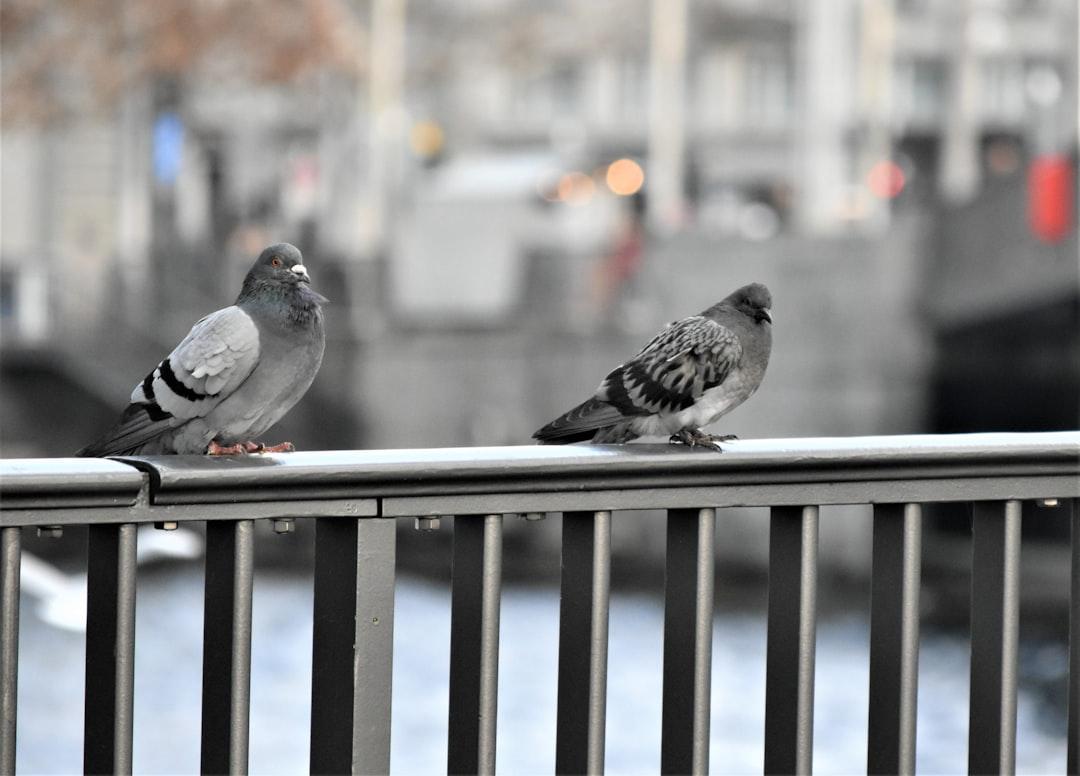
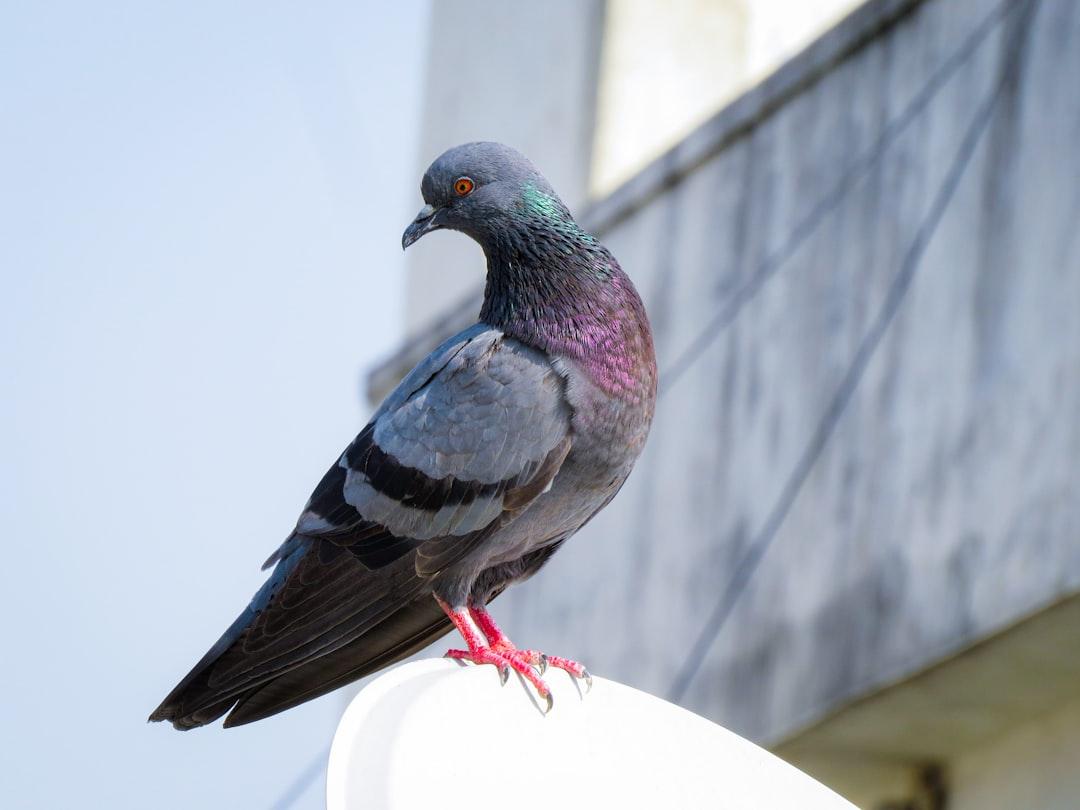
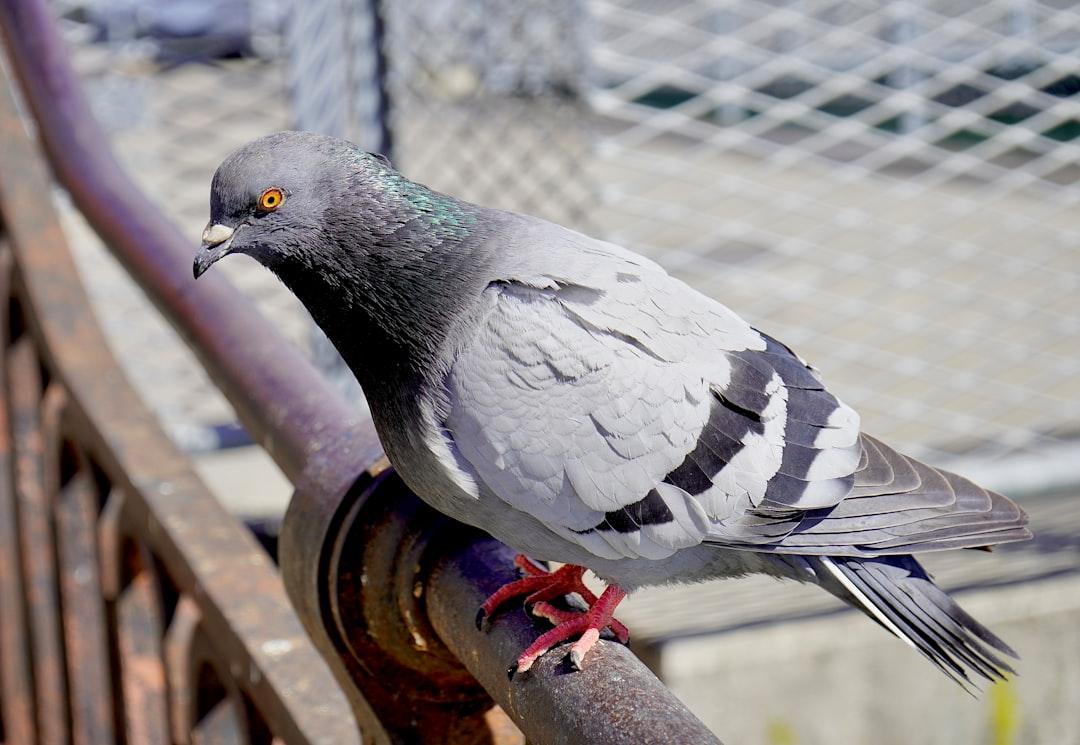
The urban landscape creates numerous roosting and nesting sites that attract pigeons to residential and commercial properties. These birds adapt quickly to different environments, establishing colonies that grow rapidly without proper intervention. Understanding the nature of pigeon behavior helps property owners recognize the need for professional pest control solutions.
Pigeons cause multiple problems for property owners through their feeding and roosting habits. These birds create noise disturbances, particularly during early morning hours when they are most active. Their presence often leads to unsightly accumulations of droppings on balconies, ledges, and walkways.
The persistent nature of pigeon populations means that without effective control measures, the problem typically worsens over time. These pest birds show remarkable adaptability to urban environments, making them difficult to deter through simple home remedies.
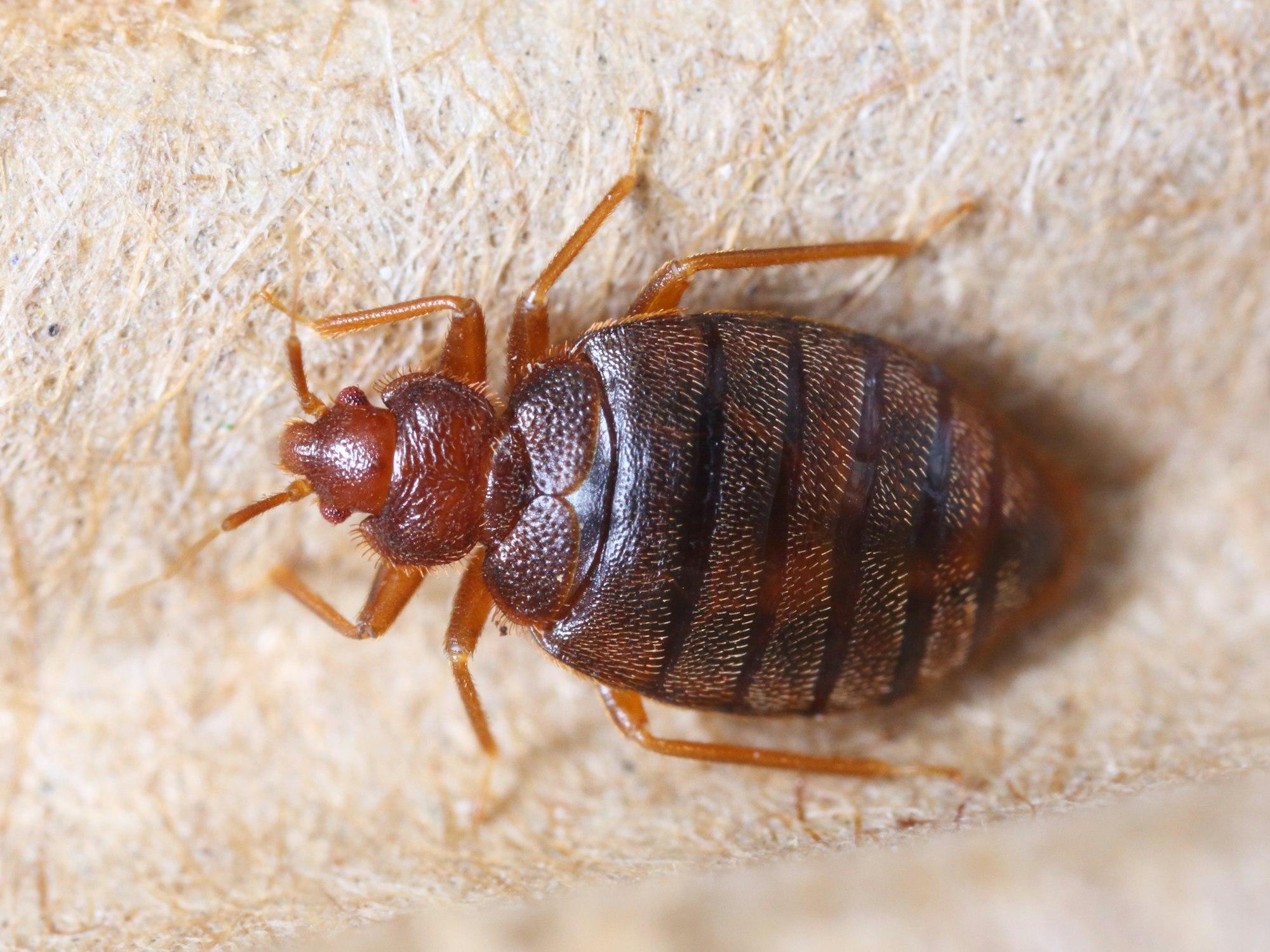
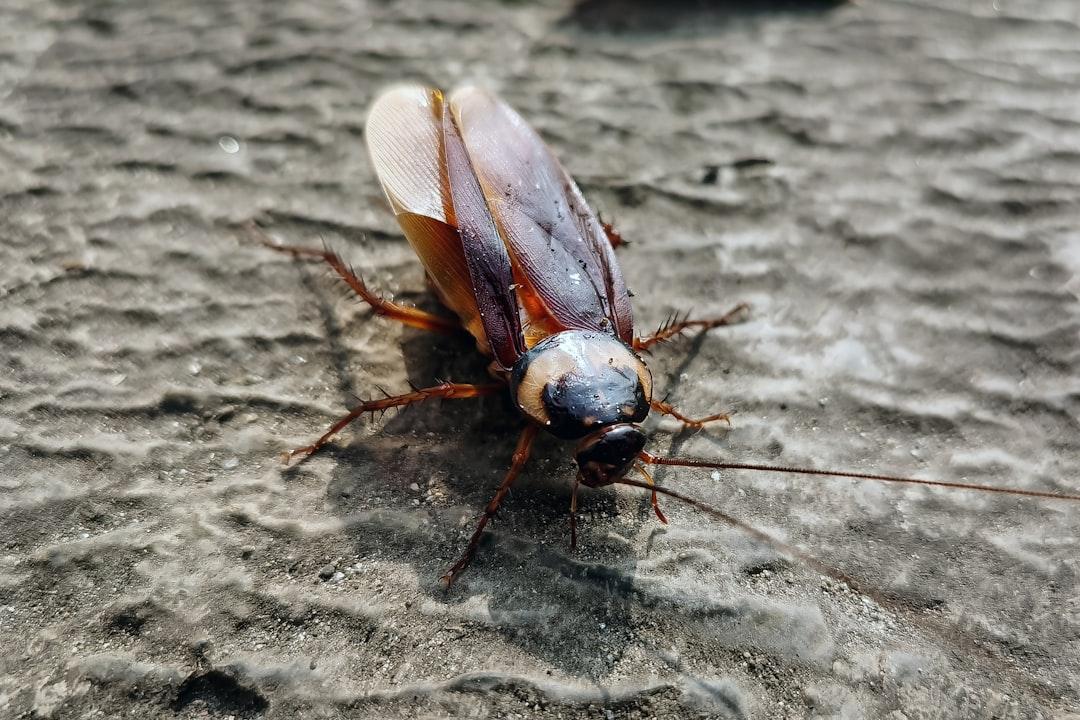
Bird droppings present serious health concerns for residents and visitors to affected properties. These droppings can carry various diseases that pose risks to human health, particularly in enclosed or poorly ventilated areas. The accumulation of waste creates conditions that may attract other pests such as insects and rodents.
Professional pest management becomes essential when considering the potential health implications of untreated pigeon infestations. Proper treatment and removal of contaminated materials require specialized knowledge and safety protocols.
Structural damage occurs when pigeons nest in building crevices, vents, and drainage systems. Their droppings create corrosive conditions that can damage building materials, particularly metal surfaces and paintwork. This type of damage often requires expensive repairs if left untreated.
The acidic nature of bird waste can cause permanent staining and deterioration of building facades. Commercial properties may experience additional concerns related to food safety and public health standards when pigeons frequent the premises.
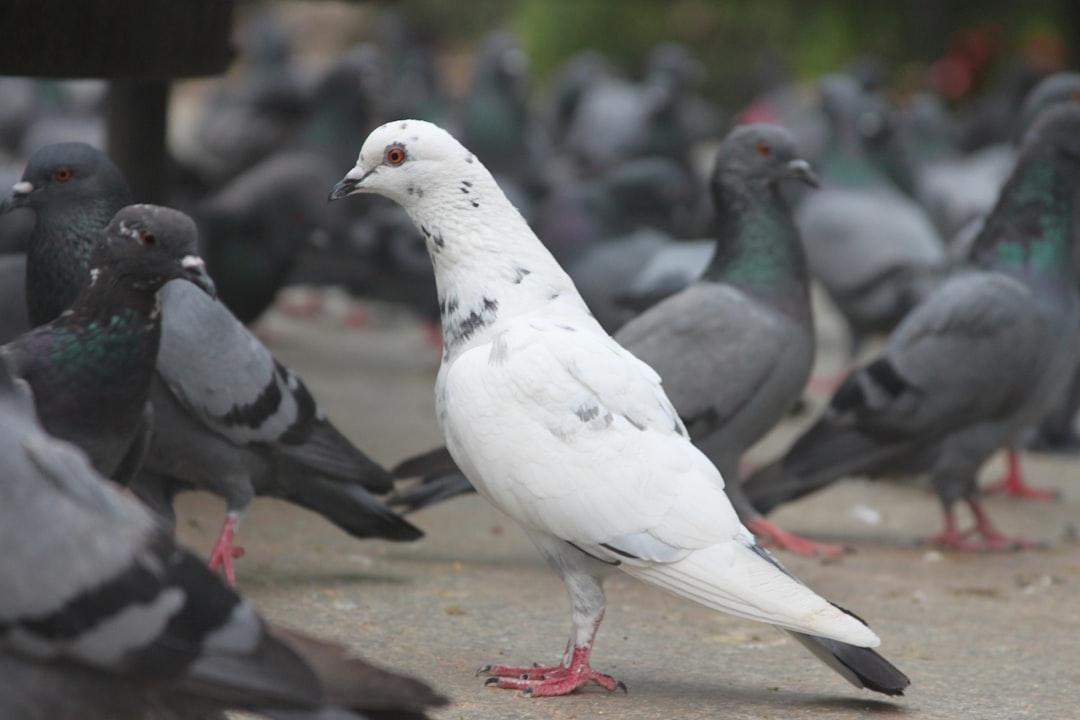
Identifying early signs of pigeon activity allows property owners to address problems before they escalate. Visible droppings accumulation represents the most obvious indicator of bird presence, particularly in sheltered areas such as balconies and overhangs. Fresh droppings appear dark and moist, while older waste becomes dry and chalky in appearance.
Nesting materials such as twigs, feathers, and debris in building crevices indicate active bird colonies. Property owners may also notice damage to roof tiles, gutters, or ventilation systems where birds attempt to create roosting sites. The presence of multiple birds during feeding times suggests an established population requiring professional intervention.
Professional bird control services utilize various approaches to address pigeon problems effectively. Each method addresses specific aspects of bird behavior and habitat requirements. The selection of appropriate control solutions depends on the severity of the infestation and the characteristics of the affected property.
Comprehensive pigeon proofing involves modifying building structures to prevent birds from accessing preferred roosting and nesting sites. This approach focuses on habitat modification rather than direct bird removal. Professional assessment identifies vulnerable areas and recommends appropriate protective measures.
Trained technicians install various barrier systems designed to deter pigeons without causing harm to the birds. These solutions provide long-term protection when properly installed and maintained according to industry standards.
Bird netting offers effective protection for large areas such as balconies, courtyards, and building facades. These nets create physical barriers that prevent pigeons from accessing protected spaces while maintaining airflow and visibility. Professional installation ensures proper coverage and secure attachment points.
Quality netting systems resist weather conditions and provide durable protection for extended periods. The nets require periodic inspection and maintenance to ensure continued effectiveness against pest birds.
Spike systems prevent pigeons from landing on narrow surfaces such as ledges, railings, and roof lines. These deterrents create uncomfortable conditions that encourage birds to find alternative roosting sites. Professional installation ensures optimal spacing and coverage for maximum effectiveness.
Modern spike systems utilize humane designs that deter birds without causing injury. The systems resist corrosion and weather damage, providing long-term solutions for specific problem areas.
Electronic deterrent systems emit high-frequency sounds that create discomfort for pigeons and encourage them to leave treated areas. These devices work most effectively in enclosed or semi-enclosed spaces where sound waves can be contained. Regular adjustment of frequency patterns prevents birds from adapting to the deterrent signals.
Professional assessment determines optimal placement and configuration of ultrasonic systems for maximum effectiveness. The devices require periodic maintenance and battery replacement to ensure consistent operation.
Humane trapping systems allow for the safe removal of established pigeon populations from affected properties. These systems utilize specialized food attractants that draw birds into secure enclosures. Professional technicians manage the trapping process to ensure compliance with local regulations regarding bird removal.
Successful trapping programs often combine multiple cage locations with habitat modification to prevent new birds from replacing those that have been removed. This approach requires ongoing monitoring and adjustment based on bird behavior patterns.
Trained birds of prey provide natural deterrence that leverages pigeons' instinctive fear responses. Professional hawking services deploy falcons or hawks in controlled sessions that create lasting psychological impacts on local pigeon populations. This method proves particularly effective for large commercial properties and industrial areas.
Hawking programs require specialized expertise and proper licensing to ensure safety for both the birds of prey and the environment. The approach often combines with other deterrent methods for comprehensive population management.
Professional bird control services offer expertise and resources that ensure effective long-term solutions. Trained technicians understand pigeon behavior patterns and can recommend appropriate treatment strategies based on specific property conditions.
Professional teams bring years of experience in managing various types of bird infestations across different property types. This expertise enables them to quickly assess problem areas and recommend the most effective control solutions. Professionals understand local regulations and safety requirements that govern bird control activities.
Ongoing training ensures that service teams remain current with new technologies and best practices in pest management. This knowledge base allows for more effective problem-solving and better outcomes for property owners.
Professional services prioritize humane treatment of birds while effectively addressing pest problems. All control methods comply with animal welfare standards and local regulations regarding bird management. Safety protocols protect both service technicians and property occupants during treatment procedures.
Humane approaches focus on prevention and deterrence rather than harmful elimination methods. This philosophy ensures sustainable solutions that address root causes of pigeon problems.
Professional bird control solutions provide lasting protection through proper installation and ongoing maintenance programs. Service providers offer follow-up inspections to monitor system performance and make necessary adjustments. This comprehensive approach ensures continued effectiveness over extended periods.
Quality materials and proper installation techniques contribute to system durability and reliability. Professional services often include maintenance agreements that help property owners maintain optimal protection levels.
Local service providers understand regional bird behavior patterns and environmental factors that influence pigeon activity. This knowledge enables more targeted and effective control strategies. Reliable service scheduling ensures prompt response to urgent pigeon problems.
Established companies maintain strong reputations within the community and provide dependable service over time. Local expertise includes understanding of building types and architectural features common in the area.
Residential properties face unique challenges when dealing with pigeon infestations, as these spaces require solutions that balance effectiveness with aesthetic considerations. Home environments often provide numerous attractive features for pigeons, including sheltered areas and potential food sources.
Villa properties typically offer extensive outdoor areas that may attract pigeons through gardens, water features, and architectural details. These larger properties require comprehensive assessment to identify all potential roosting and nesting sites. Professional services can design integrated solutions that protect multiple areas while maintaining the property's visual appeal.
Villa owners often require discretely installed systems that preserve architectural aesthetics while providing effective bird deterrence. Custom solutions may include specialized netting, spike systems, and habitat modification strategies tailored to specific property layouts.
Apartment buildings present unique challenges due to shared spaces and multiple access points that may attract pigeons. Balconies, common areas, and building facades require coordinated treatment approaches that address the needs of all residents. Professional services work with building management to implement comprehensive protection strategies.
Effective apartment bird control often requires community-wide cooperation to eliminate food sources and modify habitats that attract pigeons. Building-wide solutions prove more effective than individual unit treatments in managing persistent pigeon populations.

Commercial properties face additional regulatory requirements and public health considerations when addressing pigeon problems. These environments often attract birds through food waste, water sources, and large structural features that provide ideal roosting conditions.
Food service businesses require immediate attention to pigeon problems due to health department regulations and food safety concerns. These establishments must maintain pest-free environments to protect customers and comply with sanitation standards. Professional treatment includes thorough cleaning and sanitization of affected areas.
Restaurant owners need ongoing prevention strategies that address waste management practices and eliminate attractions that draw pigeons to dining areas. Comprehensive programs include staff training on prevention measures and regular monitoring protocols.
Office complexes and commercial buildings often feature architectural elements such as ledges, overhangs, and courtyards that attract pigeons. These properties require professional solutions that minimize disruption to business operations while effectively addressing bird problems. Treatment schedules accommodate business hours and tenant needs.
Commercial property management benefits from preventive maintenance programs that identify and address potential pigeon attractions before they become major problems. Regular inspection services help maintain pest-free environments for tenants and visitors.
Industrial facilities face unique challenges due to large open spaces, high ceilings, and potential food storage that may attract various pest birds. These environments require specialized control solutions designed for large-scale applications. Industrial-grade deterrent systems provide coverage for extensive areas.
Warehouse operations benefit from integrated pest management approaches that combine bird control with general pest prevention strategies. Regular monitoring programs ensure early detection of bird activity before populations become established.