Loading...

Silverfish pest control in the UAE is an on-site service with an exterminator, not a product sale. The visit focuses on humid, low-light areas like bathrooms, kitchens, wardrobes, and storage rooms wh...
Silverfish pest control in the UAE is an on-site service with an exterminator, not a product sale. The visit focuses on humid, low-light areas like bathrooms, kitchens, wardrobes, and storage rooms where silverfish hide and feed on paper or fabrics. Treatment is targeted to cracks, skirting, and dam
7.0K reviews
December 2025
Excellent and very professional service
December 2025
Very good service
December 2025
Very professional service.
December 2025
Friendly and efficient

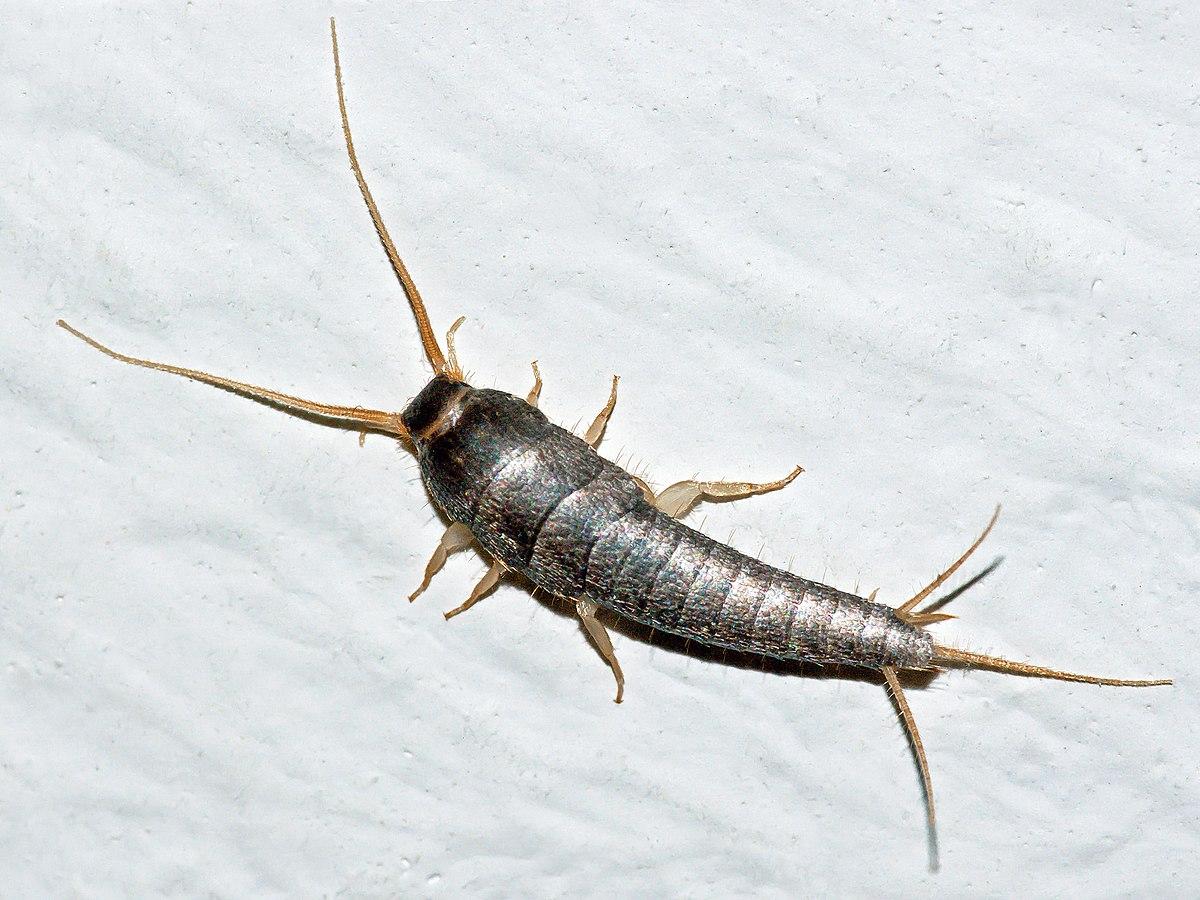
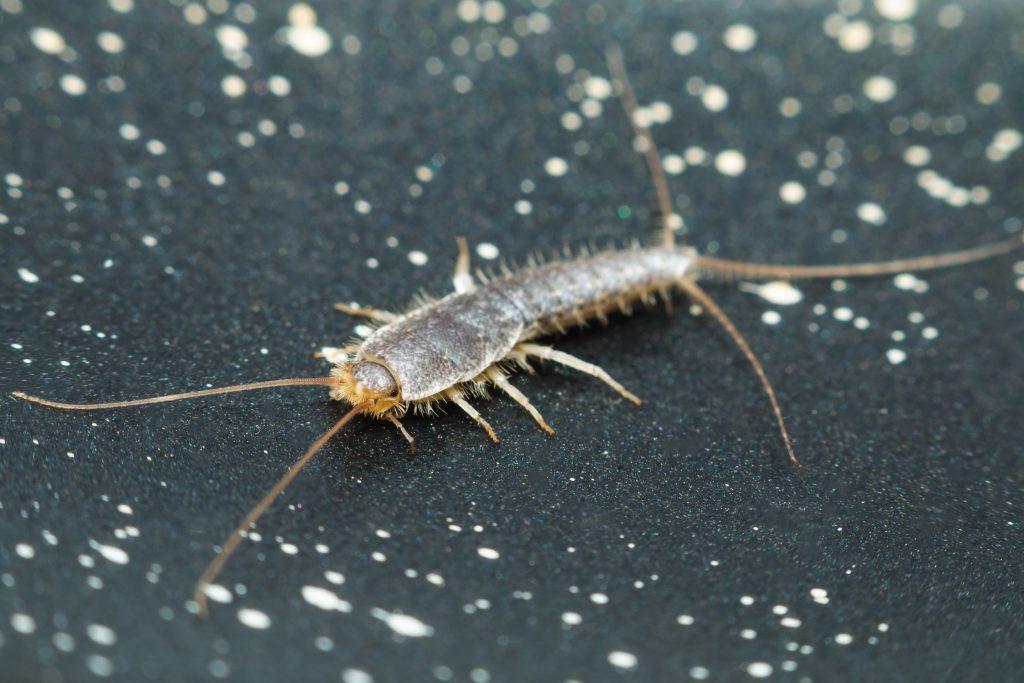
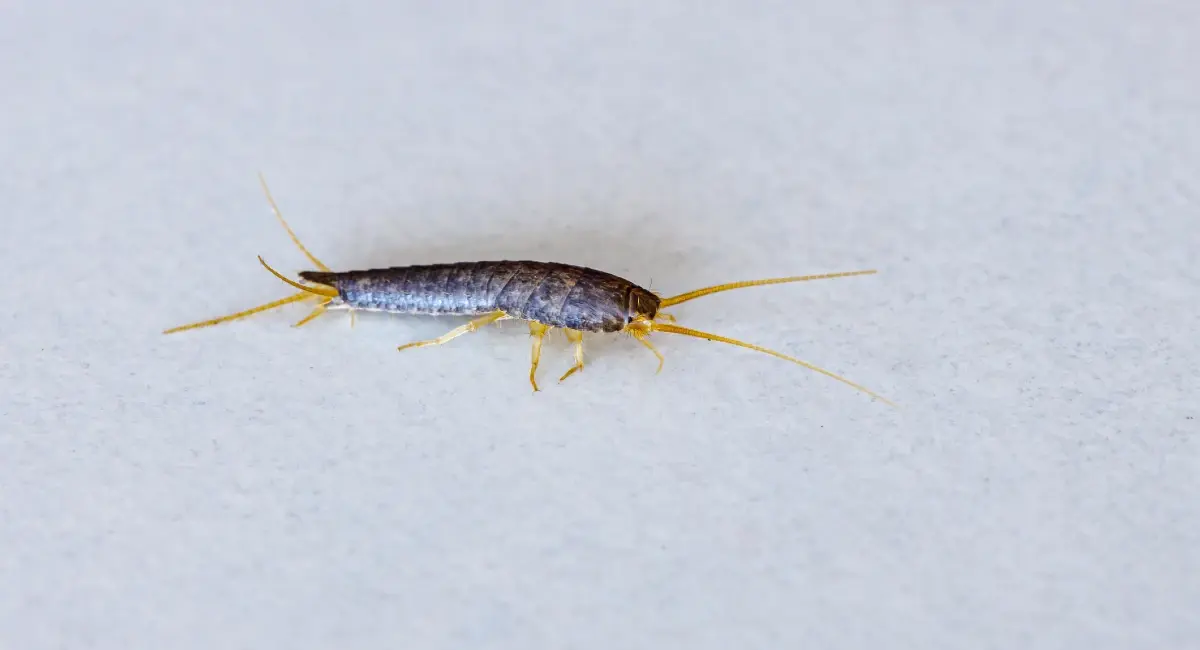
Silverfish are wingless insects known for their distinctive silver-grey appearance and fish-like movement patterns. These small pests typically measure between 12-19 millimeters in length and possess elongated bodies covered in microscopic scales. They belong to the order Thysanura and represent one of the most ancient insect groups on Earth.
These nocturnal insects thrive in humid environments and can survive for extended periods without food. Silverfish possess three long tail-like appendages and two antennae that help them navigate through dark spaces within buildings.
Silverfish display several distinctive physical characteristics that help distinguish them from other household insects. Their metallic silver appearance results from tiny scales covering their entire body surface. The insects exhibit a tapered shape, wider at the head and gradually narrowing toward the rear.
Adult silverfish molt throughout their lives, leaving behind shed scales and skins in areas where they are active. These molting remnants often provide the first visual evidence of an infestation before homeowners actually observe live insects.
Silverfish demonstrate primarily nocturnal habits, remaining hidden during daylight hours and becoming active in darkness. These insects prefer temperatures between 70-80°F and require high humidity levels above 75% to thrive. They move in a distinctive wiggling motion that resembles swimming, hence their common name.
During the day, silverfish hide in cracks, crevices, and other concealed places throughout homes and commercial buildings. They are known to travel considerable distances at night in search of food sources and suitable nesting sites.
Silverfish consume a wide variety of organic materials, making them particularly destructive to household items. Their diet includes paper, books, cardboard, glue, fabrics, and starchy food products. These insects also feed on dead skin cells, hair, and other organic debris found in living spaces.
The insects show particular preference for items containing cellulose, proteins, and carbohydrates. Books, wallpaper, clothing, and stored food products represent primary targets for silverfish feeding activities within residential and commercial properties.
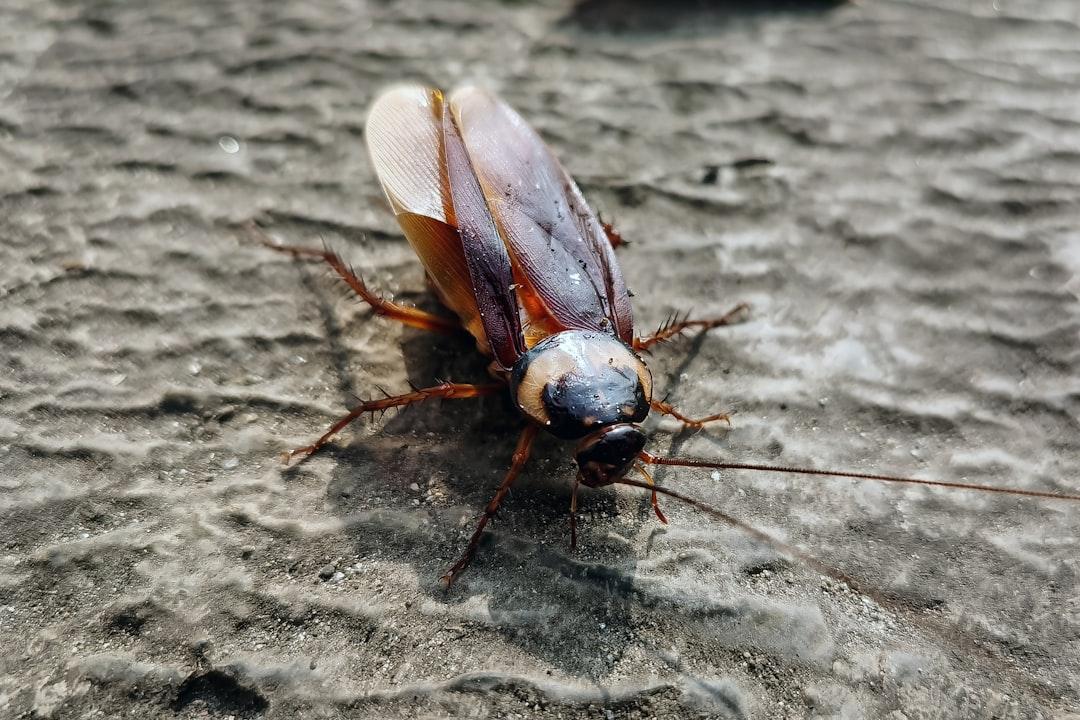
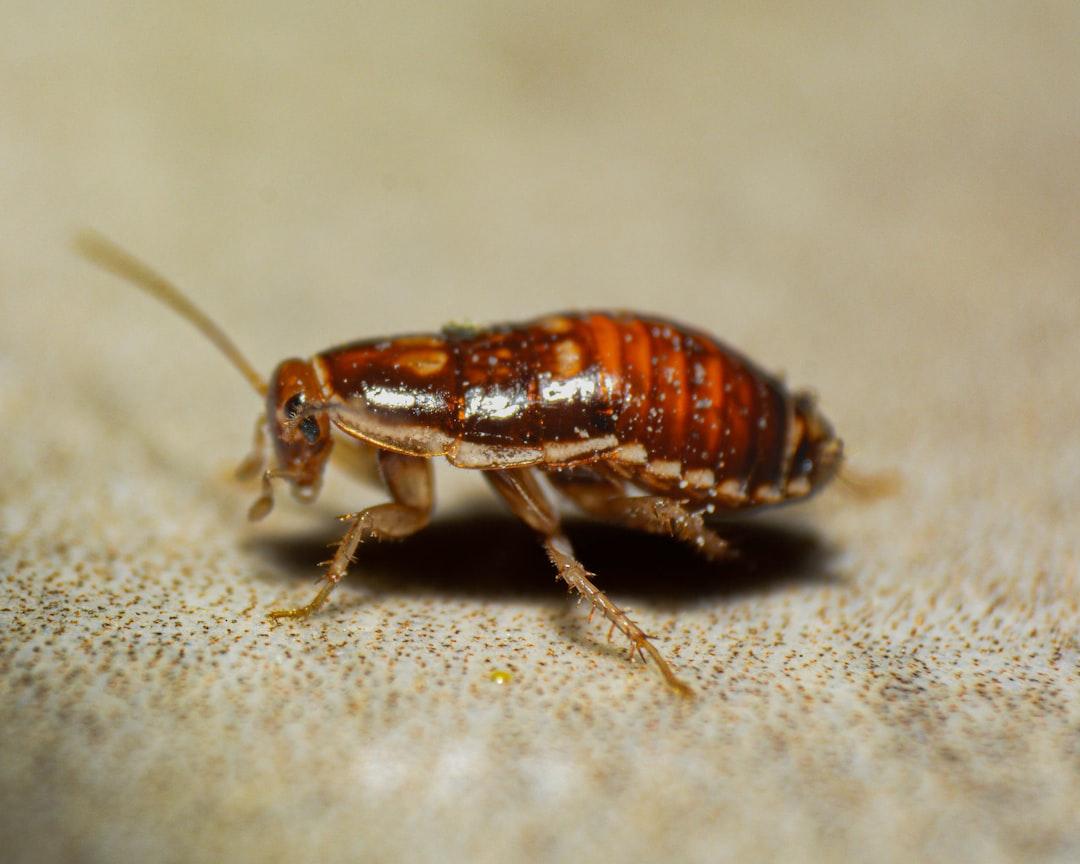
Identifying silverfish infestations requires recognizing both direct and indirect evidence of their presence. Early detection enables more effective control measures and helps prevent extensive damage to property and belongings. Most homeowners discover silverfish problems through visual sightings or damage to personal items.
Professional pest control technicians utilize systematic inspection methods to locate silverfish activity areas and assess infestation severity. Proper identification of infestation signs ensures appropriate treatment strategies and monitoring protocols.
Silverfish gravitate toward specific areas within buildings that provide optimal environmental conditions. basements represent prime habitat due to increased moisture levels and reduced lighting. Attics, bathrooms, kitchens, and laundry rooms also attract these insects because of humidity and available food sources.
These pests frequently inhabit storage areas containing books, paper documents, and cardboard boxes. Closets with natural fiber clothing and spaces near water sources provide additional harboring places for silverfish populations.
Silverfish create distinctive damage patterns that help identify their presence even when live insects remain hidden. Irregular holes in paper, books, and fabrics indicate feeding activity. Yellow stains and dark spots on damaged materials result from silverfish excrement and secretions.
Shed scales and cast skins accumulate in areas of high silverfish activity, particularly along baseboards and in storage areas. Scraping marks on surfaces and small holes in wallpaper or cardboard boxes provide additional evidence of silverfish infestations.
Silverfish infestations create various problems for property owners, ranging from minor inconveniences to significant economic losses. Understanding these risks helps prioritize appropriate control measures and preventive strategies. While silverfish do not pose serious health threats, their destructive feeding habits cause considerable property damage.
The cumulative effect of silverfish activity over time can result in substantial damage to valuable items and structural materials. Professional assessment helps determine the full extent of problems and establishes effective treatment protocols.
Silverfish generally pose minimal direct health risks to humans and pets compared to other household insects. However, some individuals may experience allergic reactions to silverfish debris, including shed scales and excrement particles. These reactions typically manifest as respiratory irritation or skin sensitivity in susceptible people.
The insects themselves do not bite humans or transmit diseases, making them primarily a nuisance pest rather than a health threat. Proper cleaning and control measures effectively address any potential health concerns associated with silverfish infestations.
Silverfish cause extensive damage to a wide range of household items through their feeding activities. Books, documents, photographs, and paper products suffer irregular holes and surface damage. Natural fiber clothing, curtains, and upholstery materials also sustain feeding damage over time.
Valuable items such as antique books, important documents, and family photographs face particular risk from silverfish feeding. The insects can destroy irreplaceable materials, making prevention and early control essential for protecting cherished belongings.

Successful silverfish control requires a comprehensive approach combining multiple strategies and techniques. effective treatment programs address both immediate elimination of existing insects and long-term prevention of future infestations. Property owners can choose between DIY approaches and professional pest control services depending on infestation severity.
The best treatment outcomes result from integrated pest management approaches that target silverfish biology and environmental preferences. Proper treatment timing and method selection ensure optimal results and sustained control.
Homeowners have access to various products and methods for addressing silverfish problems independently. DIY approaches work most effectively for small infestations and as part of ongoing prevention programs. Success depends on proper identification of silverfish harboring areas and consistent application of control measures.
DIY control methods range from natural solutions to commercial insecticide products available in retail stores. Combining multiple approaches typically produces better results than relying on single treatment methods.
Several natural approaches can help control silverfish populations without synthetic chemicals. Essential oil treatments using cedar, lavender, or citrus oils create repellent barriers in infested areas. Diatomaceous earth applied in cracks and crevices damages silverfish exoskeletons and provides residual control.
Reducing moisture levels through improved ventilation and dehumidification creates unfavorable conditions for silverfish survival. Natural methods require consistent application and environmental modifications to achieve lasting results.
Commercial traps utilize attractants and adhesive surfaces to capture silverfish and monitor population levels. Sticky traps placed along walls and in storage areas help assess infestation severity and track treatment progress. Baited traps containing attractant substances can capture larger numbers of insects over time.
Trap placement near suspected activity areas increases capture rates and provides valuable information about silverfish movement patterns. Regular trap monitoring ensures timely replacement and maintains control effectiveness.
Residual insecticide products provide longer-lasting control compared to contact sprays. Dust formulations applied in wall voids, cracks, and other harboring areas offer extended protection against silverfish populations. Spray treatments target immediate knockdown of visible insects and provide temporary residual control.
Proper application techniques and safety precautions ensure effective results while minimizing risks to occupants and non-target organisms. Reading and following product labels prevents misuse and maximizes treatment effectiveness.
Professional pest control services offer comprehensive solutions for severe silverfish infestations and long-term management programs. Trained technicians possess specialized knowledge, equipment, and products not available to general consumers. Professional treatments typically provide faster results and longer-lasting control compared to DIY approaches.
Expert services include thorough inspection, customized treatment plans, and follow-up monitoring to ensure complete elimination. Professional pest control companies also offer ongoing maintenance programs to prevent future silverfish problems.
Prevention strategies form the foundation of effective silverfish management by addressing environmental factors that attract and sustain these insects. Long-term solutions focus on modifying conditions within buildings to make them less hospitable to silverfish populations. Implementing comprehensive prevention measures reduces the likelihood of future infestations and minimizes treatment needs.
Successful prevention requires ongoing attention to moisture control, sanitation, and structural maintenance. Property owners who invest time in preventive measures experience fewer pest problems and reduced control costs over time.
Moisture control represents the most important factor in silverfish prevention since these insects require high humidity levels to survive. Installing dehumidifiers in basements, attics, and other humid areas reduces environmental moisture below silverfish tolerance levels. Improving ventilation in bathrooms, kitchens, and laundry rooms helps eliminate excess moisture from daily activities.
Repairing leaks in plumbing, roofing, and foundations eliminates water sources that create favorable silverfish habitat. Regular monitoring of indoor humidity levels ensures maintenance of dry conditions that discourage silverfish establishment.
Removing excess clutter eliminates silverfish harboring sites and reduces available food sources throughout buildings. Storing books, papers, and clothing in sealed containers prevents silverfish access to preferred food items. Regular organization of storage areas facilitates inspection and early detection of potential pest problems.
Proper storage practices include using plastic containers instead of cardboard boxes and elevating stored materials off floors in damp areas. Reducing paper and cardboard storage in humid locations limits silverfish food availability.
Structural modifications prevent silverfish entry and eliminate harboring sites within buildings. Sealing cracks in foundations, walls, and around utility penetrations blocks silverfish access routes. Caulking gaps around windows, doors, and plumbing fixtures reduces potential entry points.
Installing door sweeps and weatherstripping creates barriers that prevent silverfish movement between rooms and from outdoor areas. Regular inspection and maintenance of building exteriors ensure continued exclusion effectiveness.
Consistent cleaning practices remove silverfish food sources and disturb their harboring areas. Vacuuming carpets, baseboards, and storage areas eliminates organic debris that attracts silverfish. Regular cleaning of kitchens and food storage areas prevents accumulation of attractive materials.
Deep cleaning of storage areas and periodic inspection of stored items help detect early signs of silverfish activity. Maintaining clean, organized spaces reduces silverfish survival opportunities and simplifies monitoring efforts.
Professional pest control technicians offer specialized expertise for managing silverfish infestations in residential and commercial settings. Expert services provide comprehensive inspection, customized treatment protocols, and ongoing management to ensure complete elimination of silverfish populations. These specialized services address complex infestations that may require multiple treatment methods and extended monitoring periods.
Commercial properties face unique challenges from silverfish infestations, particularly in storage areas, libraries, and archive facilities. Professional pest management teams develop tailored solutions that protect valuable inventory and sensitive materials while maintaining business operations.
Experienced pest control providers understand silverfish biology and behavior patterns, enabling them to identify problem areas and implement targeted solutions effectively. Professional treatments typically include residual insecticide applications, monitoring programs, and environmental modifications to prevent future infestations. Regular service visits ensure sustained control and provide ongoing support for property owners dealing with persistent silverfish problems.