Loading...

Termite pest control in Dubai is an on-site service with a technician, not a product sale. The visit includes inspection of wood structures, door frames, false ceilings, and likely entry points to con...
Termite pest control in Dubai is an on-site service with a technician, not a product sale. The visit includes inspection of wood structures, door frames, false ceilings, and likely entry points to confirm activity and assess damage risk. A targeted treatment plan is then applied based on the propert
7.0K reviews
December 2025
Excellent and very professional service
December 2025
Very good service
December 2025
Very professional service.
December 2025
Friendly and efficient

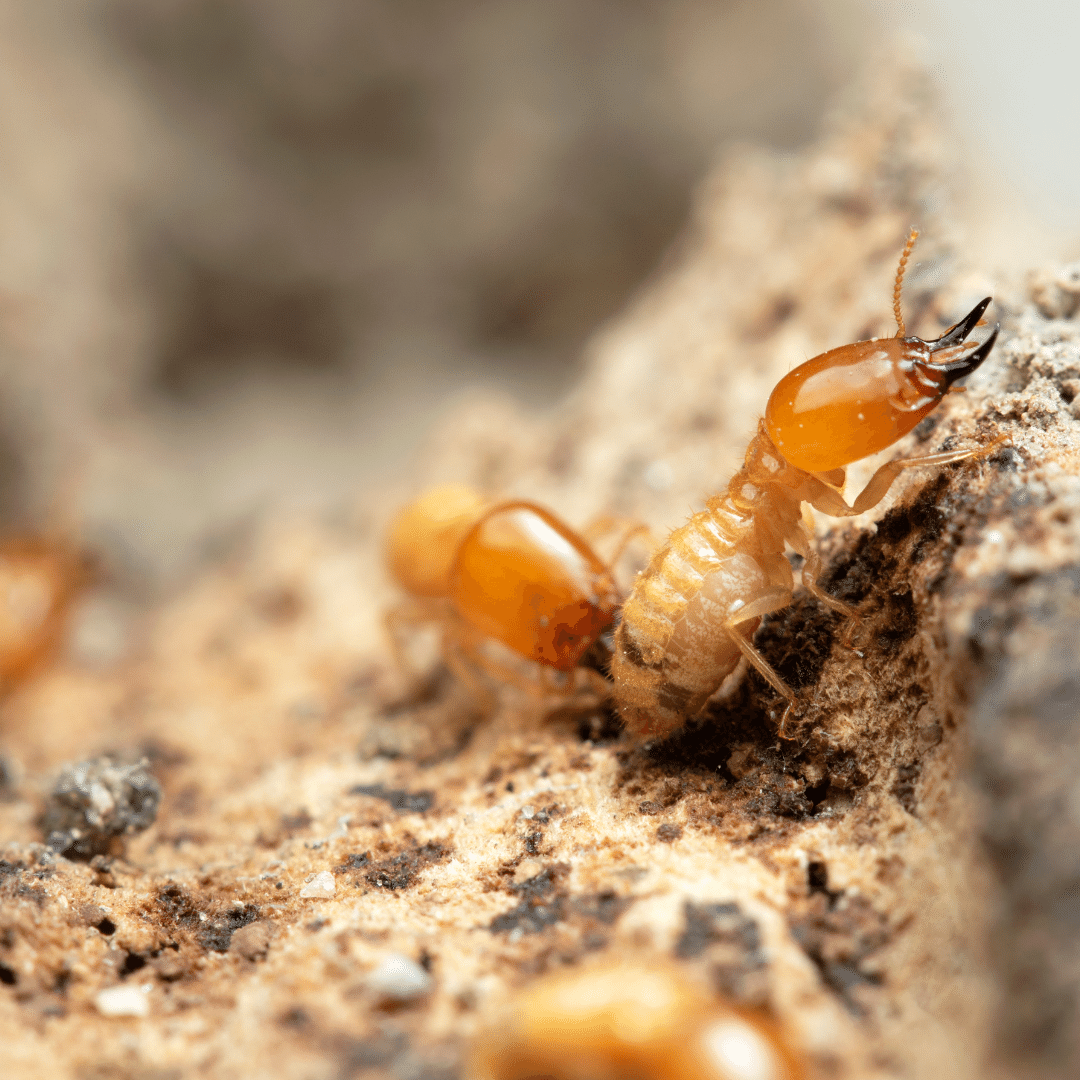
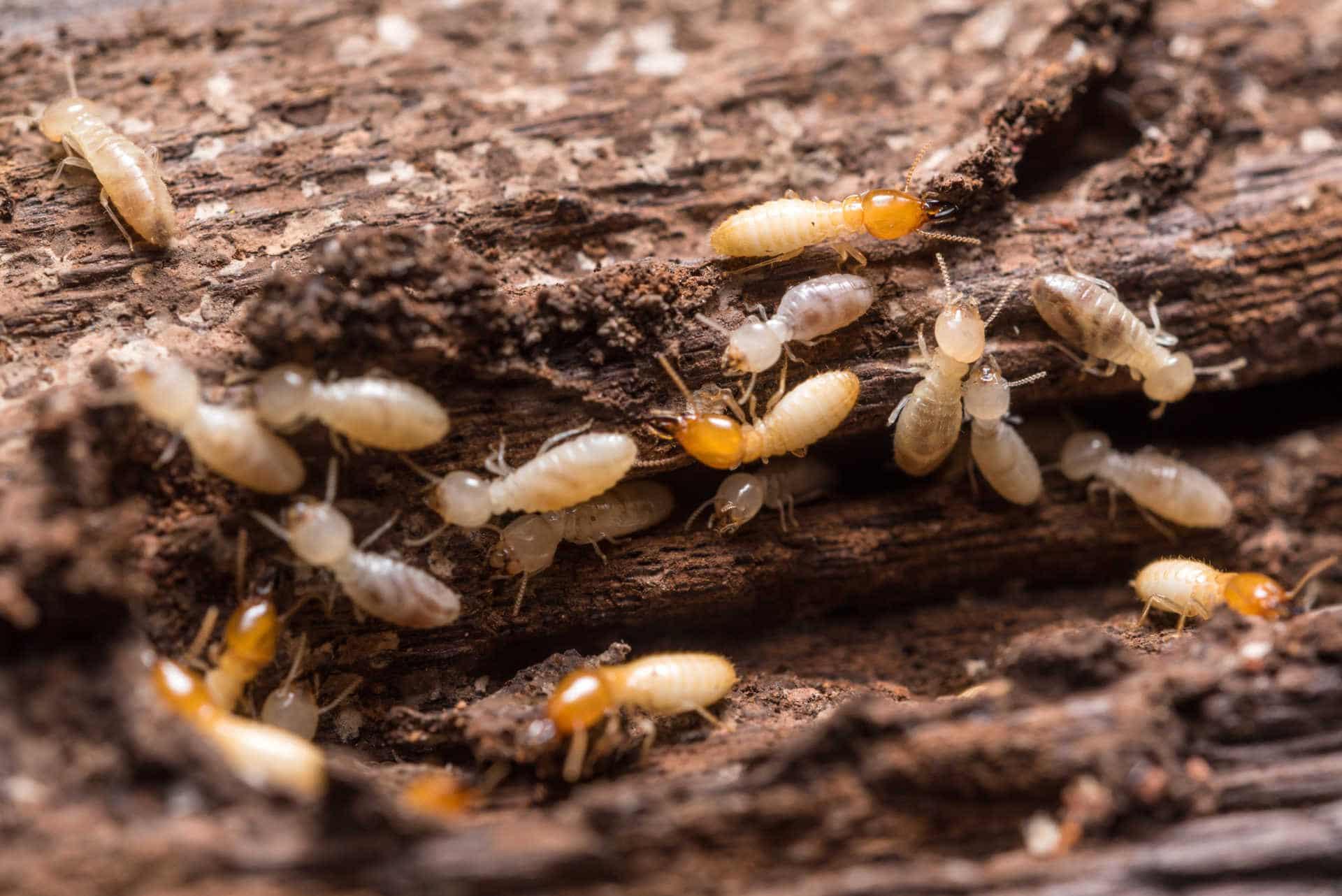
Termites are social insects that feed on cellulose-based materials, making wooden structures and paper products their primary targets. These destructive pests operate in colonies that can contain thousands of individuals, working continuously to break down organic materials. The problem with termites lies in their ability to cause significant structural damage before property owners detect their presence.
Termites are wood-destroying insects that live in organized colonies with specific roles for workers, soldiers, and reproductive members. They create extensive tunnel systems to access food sources and can remain hidden within structures for extended periods. The destructive nature of these insects makes them one of the most concerning pests for property owners throughout the UAE.
Several termite species are common in the UAE region, including subterranean termites that build mud tubes and drywood termites that infest wooden structures directly. Subterranean termites require soil contact and moisture, while drywood termites can survive in lower moisture conditions. Understanding these different types helps determine the most effective treatment approach for each infestation.
Termite colonies can cause extensive damage to buildings, furniture, and other wooden structures over time. These insects consume cellulose materials from the inside out, leaving surfaces that appear intact while undermining structural integrity. The cost of repairing termite damage often exceeds prevention expenses, making early detection and professional treatment essential.
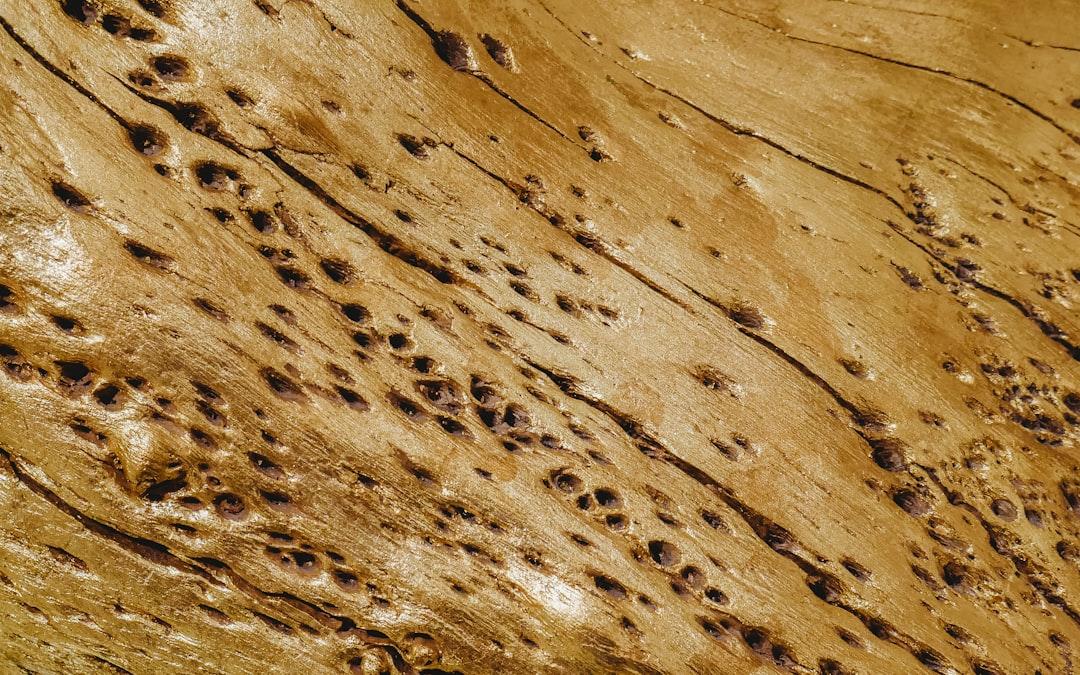
Identifying termite activity early can prevent extensive damage and reduce treatment complexity. Property owners should regularly inspect their buildings for visible signs and contact professional experts when suspicious indicators appear. Regular monitoring helps maintain a pest-free living and working environment.
Winged termites, known as swarmers, emerge during specific seasons to establish new colonies. These reproductive termites shed their wings after mating, leaving discarded wing debris around windowsills, doors, and light fixtures. Finding these wings often indicates an active termite colony nearby.
Termites create hollow-sounding wood when they consume internal cellulose materials. Wooden surfaces may appear blistered, darkened, or damaged along the grain patterns. Furniture and structural elements can develop weak spots that crack or break under normal pressure.
Subterranean termites construct protective mud tubes along foundation walls, concrete surfaces, and other areas where they travel between soil and food sources. These tubes provide moisture and protection while termites move through their territory. Regular inspection of foundation areas can reveal these telltale signs.
Drywood termites produce small pellets of waste material called frass, which accumulates near infested areas. This waste appears as tiny, hexagonal pellets that vary in color depending on the wood being consumed. Finding frass indicates active termite feeding within wooden structures.
Additional signs include tight-fitting doors or windows caused by moisture and termite activity, as well as clicking sounds within walls during quiet periods. Paint may bubble or peel in areas where termites have created moisture problems. These subtle indicators often accompany more obvious termite evidence.
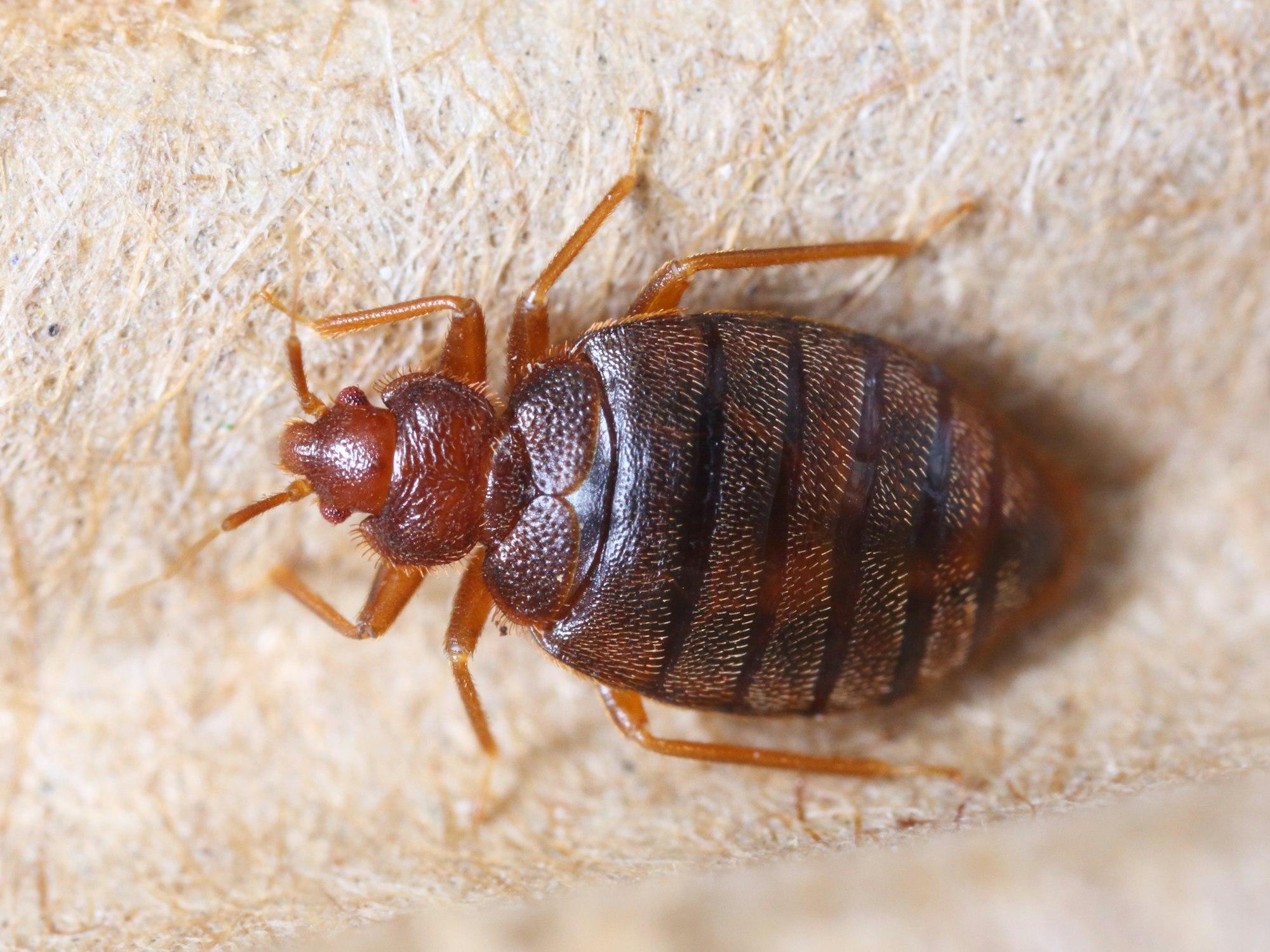
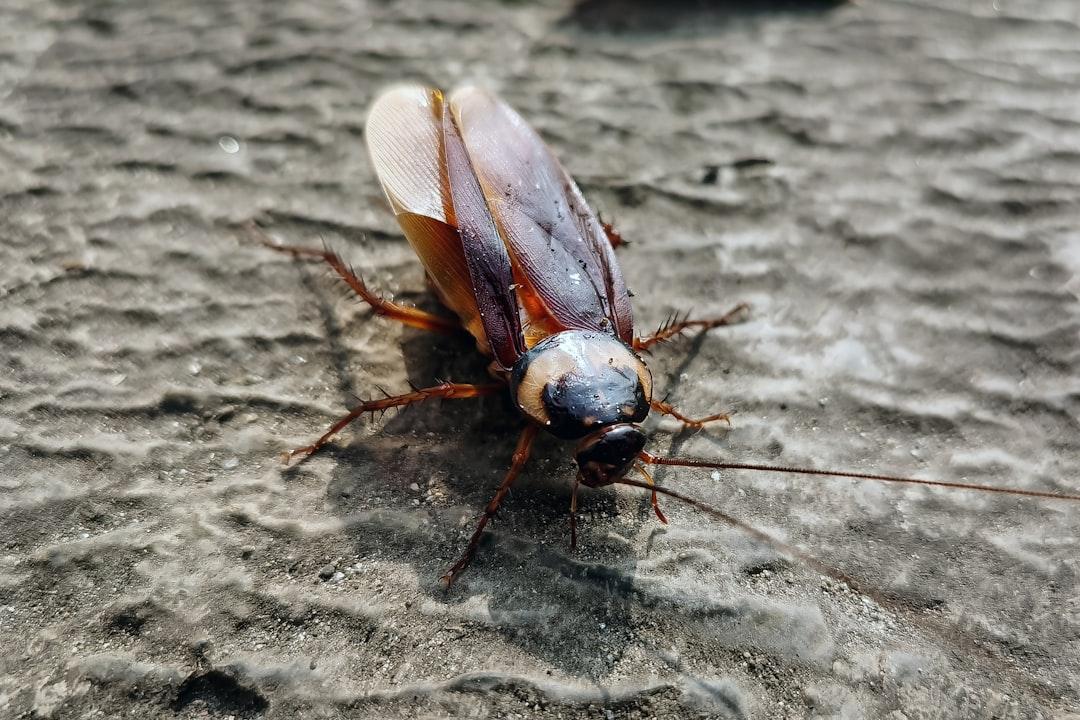
Professional termite control services offer comprehensive solutions designed to address both prevention and elimination needs. These pest control experts utilize proven methods and safe chemicals to ensure effective treatment results. The approach varies depending on construction phase and infestation severity.
Pre-construction treatment creates a protective barrier before building construction begins, preventing future termite problems. This comprehensive approach treats soil areas and foundation elements to eliminate termite access routes. Professional application ensures proper chemical distribution and long-term effectiveness.
Importance of pre-construction treatment: Treating soil before construction provides the most effective long-term termite prevention available. This approach creates continuous protection that extends throughout the building's foundation area. Early treatment eliminates the need for more complex post-construction procedures.
Key steps in pre-construction treatment: The process begins with soil preparation and chemical application to all areas where the building will rest. Technicians treat foundation footings, utility penetrations, and other potential entry points. Quality control measures ensure complete coverage and proper chemical concentration.
Soil treatment and chemical barriers: Professional-grade termiticides create long-lasting barriers in treated soil areas. These chemicals remain effective for many years when properly applied by certified experts. The barrier prevents termites from accessing the building structure while maintaining safe conditions for occupants.
Post-construction treatment addresses existing buildings where termite activity has been detected or prevention is needed. These pest management services utilize specialized techniques to access critical areas without major structural disruption. Professional assessment determines the most effective treatment method for each situation.
Identifying existing infestations: Professional inspection reveals termite activity levels and colony locations within the building structure. Expert technicians use specialized equipment to detect termites in walls, foundations, and other hidden areas. Comprehensive assessment guides treatment planning and ensures complete elimination.
Treatment methods for established colonies: Active infestations require targeted treatment approaches that eliminate existing termites and prevent future colonization. Professional pest control services select appropriate methods based on termite species and building characteristics. These proven techniques effectively eliminate established colonies.
Drilling and injecting termiticides: This method involves creating access points in concrete and applying termiticides directly to soil areas beneath the building. Professional equipment ensures precise chemical placement and minimal disruption to occupied spaces. The approach creates effective barriers around the entire building perimeter.
Bait station methods: Strategic placement of monitoring and baiting stations provides ongoing termite control around the property. These systems attract termites and deliver targeted treatments to eliminate colonies. Regular monitoring ensures continued effectiveness and early detection of new activity.
| Treatment Phase | Key Activities | Timeline | Expected Outcome |
|---|---|---|---|
| Initial Inspection | Property assessment, termite detection, damage evaluation | 1-2 hours | Complete understanding of infestation level |
| Treatment Planning | Method selection, chemical choice, access planning | Same day | Customized treatment approach |
| Active Treatment | Chemical application, barrier creation, colony elimination | 4-8 hours | Immediate termite control |
| Follow-up Monitoring | Effectiveness verification, additional treatment if needed | 30-90 days | Long-term protection confirmation |
Professional termite inspection involves comprehensive examination of all vulnerable areas where termite activity might occur. Trained experts use specialized tools to detect termites in walls, foundations, and wooden structures throughout the building. This thorough assessment identifies current problems and potential risk factors.
Each property receives a tailored treatment plan based on building characteristics, termite species present, and infestation severity. Professional pest control experts select the most effective methods and safe chemicals for specific situations. The customized approach ensures optimal results while minimizing disruption.
Certified technicians apply termite treatments using professional-grade equipment and proven techniques. The application process follows strict safety protocols to protect occupants while ensuring effective pest control. Quality control measures verify complete treatment coverage.
Ongoing monitoring ensures treatment effectiveness and early detection of any new termite activity. Professional follow-up visits assess the treated areas and provide additional protection if needed. This comprehensive approach maintains long-term termite control.
Professional pest control services provide the expertise and experience necessary for effective termite elimination and prevention. These experts understand local termite behavior patterns and utilize proven treatment methods. Choosing professional exterminators ensures safe and effective results.
Professional termite control specialists possess extensive knowledge of termite behavior, biology, and effective treatment methods. Their experience with various termite species and building types ensures accurate problem diagnosis and appropriate solution selection. This expertise leads to more effective and lasting results.
Professional pest control companies utilize approved chemicals that provide effective termite control while maintaining safety for occupants and the environment. These termiticides undergo rigorous testing and certification processes. Proper application by trained professionals maximizes effectiveness while minimizing risks.
Local termite species exhibit specific behavioral patterns that influence treatment timing and methods. Professional experts understand these patterns and adjust their approach accordingly. This knowledge helps prevent future infestations and ensures comprehensive protection.
Professional termite control prevents extensive damage that can compromise building integrity and require expensive repairs. Early detection and effective treatment eliminate termite colonies before significant damage occurs. This proactive approach protects property investments and maintains structural safety.
Professional termite control services provide comprehensive benefits that extend beyond immediate pest elimination. These services ensure long-term property protection and peace of mind for property owners. The comprehensive approach addresses both current problems and future prevention needs.
Effective termite control services protect residential, commercial, and industrial buildings from destructive termite activity. Professional treatment creates lasting barriers that prevent termite access and colony establishment. This protection maintains property value and structural integrity over time.
Modern termite control methods utilize environmentally friendly chemicals that effectively eliminate pests while minimizing environmental impact. These safe treatment options protect family members, pets, and the surrounding environment. Professional application ensures proper handling and minimal exposure risks.
Professional pest control services provide prompt response to termite problems, preventing damage escalation. Efficient treatment methods minimize disruption to daily activities while ensuring comprehensive pest elimination. Fast service delivery protects properties from ongoing termite damage.
Professional termite control creates a pest-free environment where families and employees can live and work comfortably. Comprehensive treatment eliminates concerns about hidden termite damage and future infestations. This peace of mind allows property owners to focus on other priorities.
Various termite control methods address different infestation types and building characteristics. Professional pest control services select appropriate techniques based on specific circumstances and treatment goals.
Professional termite control services are available throughout major residential and commercial areas. Service coverage includes villas, apartments, office buildings, and industrial facilities across different regions.
Property owners can implement various measures to reduce termite attraction and prevent infestations. These preventive steps work alongside professional treatment to maintain long-term protection.
Several factors influence the cost of professional termite control services. Understanding these variables helps property owners make informed decisions about treatment options and budget planning.
Professional termite control services begin with comprehensive property assessment and detailed treatment recommendations. Property owners can request free evaluations to understand their termite control needs and available options.
Professional termite inspection provides detailed information about current termite activity and potential risk factors. Expert assessment helps determine the most effective treatment approach for each property. Early detection and professional treatment prevent costly damage and ensure long-term protection.
Immediate professional assistance is available for urgent termite problems and emergency situations. Contact options include phone consultation and email communication for convenient service scheduling. Professional pest control experts provide prompt response to protect properties from ongoing termite damage.