Moth Flies Pest Control
Moth Flies Pest Control
Moth flies pest control in the UAE is an on-site service performed by a technician, not a product sale. The visit targets breeding sources in drains, floor traps, AC drain lines, and other damp areas,...
Select a service
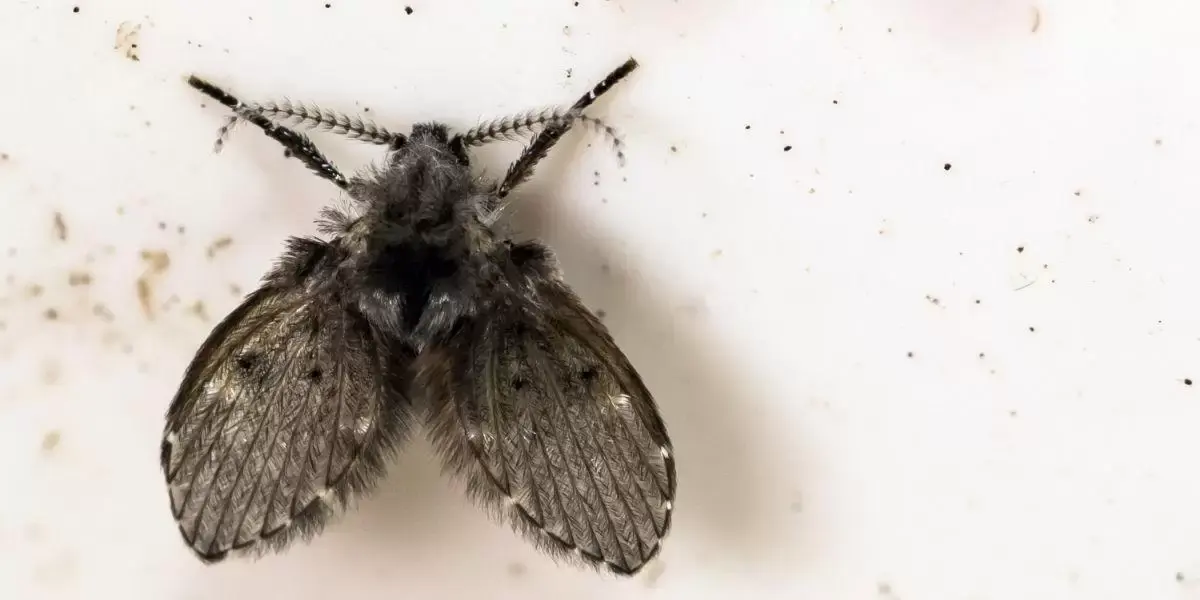
Drain Flies in Dubai
View detailsAED 250
Frequently asked questions
Moth Flies Pest Control in Dubai
Moth flies pest control in the UAE is an on-site service performed by a technician, not a product sale. The visit targets breeding sources in drains, floor traps, AC drain lines, and other damp areas, which is usually where the problem starts. Treatment focuses on eliminating the buildup that feeds
You are here
Customer reviews
7.0K reviews
John D.
December 2025
Excellent and very professional service
Sarah M.
December 2025
Very good service
Mike R.
December 2025
Very professional service.
Emma L.
December 2025
Friendly and efficient


Understanding Moth Flies and Drain Flies: What You Need to Know
Drain flies, also known as moth flies, represent a common pest problem in residential and commercial areas. These small insects typically measure 1-5 millimeters in length and are usually seen near water sources. Their fuzzy appearance and erratic flight patterns make them easily recognizable among other flying insects.
What are Moth Flies (Drain Flies)?
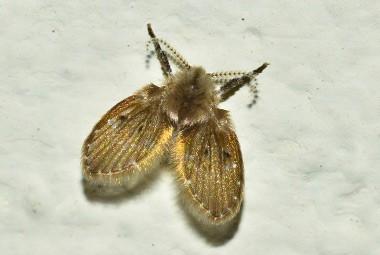
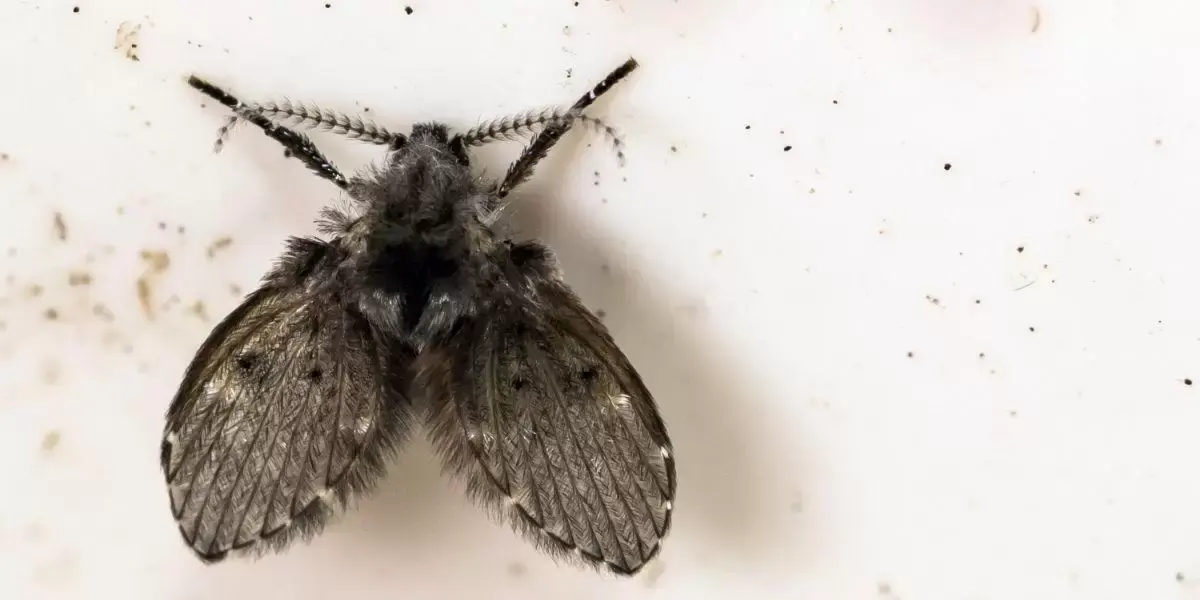
Moth flies are small, dark-colored insects that belong to the family Psychodidae. These pests breed in areas with standing water and organic matter, making drains their preferred habitat. The adult fly has fuzzy wings covered with fine hairs, giving them their distinctive moth-like appearance.
These insects are commonly found in bathrooms, kitchens, and other areas where moisture accumulates. They lay eggs in the organic buildup that forms inside drain pipes and other moist breeding sites.
What do Drain Flies look like?
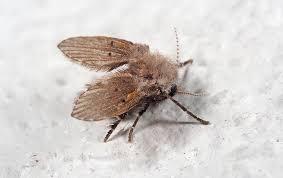
Adult drain flies are typically brown or gray with a fuzzy, moth-like appearance. Their wings are broad and covered with fine hairs that create their characteristic texture. When resting, these insects hold their wings over their bodies like a roof.
The larvae are small, worm-like creatures that live in the organic matter lining drain pipes. These immature stages are usually white or cream-colored and feed on the decaying material in their breeding environment.
Drain Flies vs. Fruit Flies: Key Differences
While both species are small flying insects, drain flies and fruit flies have distinct characteristics. Fruit flies are typically attracted to overripe fruit and other food sources, while drain flies prefer moist areas with decaying organic matter. Drain flies are larger and have fuzzy wings, whereas fruit flies are smaller with clear wings.
The breeding habits also differ significantly between these species. Fruit flies lay eggs on food surfaces, while drain flies deposit their eggs in the organic matter found in plumbing systems and septic tanks.
The Life Cycle and Habits of Drain Flies
Understanding the life cycle of these insects is crucial for effective control. The complete development from egg to adult typically takes 7-21 days depending on temperature and environmental conditions. This rapid reproduction cycle explains why infestations can develop quickly when conditions are favorable.
Drain Fly Life Cycle Explained
The life cycle consists of four stages: egg, larvae, pupa, and adult. Female flies lay eggs in clusters of 30-100 in suitable breeding sites. The eggs hatch within 32-48 hours under optimal conditions.
Larvae develop through four instars over 9-15 days, feeding on bacteria and organic matter. The pupal stage lasts 20-40 hours before adults emerge ready to mate and continue the cycle.
Where Do Drain Flies Come From?
These pests originate from areas where water and organic matter combine to create ideal breeding conditions. Common source areas include floor drains, sink traps, shower drains, and basement areas with poor drainage. They can also breed in septic systems, sewage treatment facilities, and compost areas.
In residential settings, these insects often emerge from seldom-used drains where organic buildup has accumulated. Leaky pipes and areas with persistent moisture also provide suitable breeding sites for these pests.
What Do Drain Flies Feed On?
Adult flies primarily feed on nectar and do not bite humans. However, larvae consume decaying organic matter, bacteria, and other microorganisms found in their breeding environment. This includes hair, soap scum, food particles, and other waste materials that accumulate in drain systems.
The feeding habits of larvae help break down organic matter in drain systems, but large populations can indicate sanitation issues that require attention.