Loading...

Termite pest control in the UAE is an on-site service performed by a technician, not a product sale. The visit includes inspection of wooden elements, door frames, false ceilings, and possible entry p...

AED 800

Termite pest control in the UAE is an on-site service performed by a technician, not a product sale. The visit includes inspection of wooden elements, door frames, false ceilings, and possible entry points to confirm activity and assess risk. Treatment is planned based on the site (preventive or act
7.0K reviews
December 2025
Excellent and very professional service
December 2025
Very good service
December 2025
Very professional service.
December 2025
Friendly and efficient
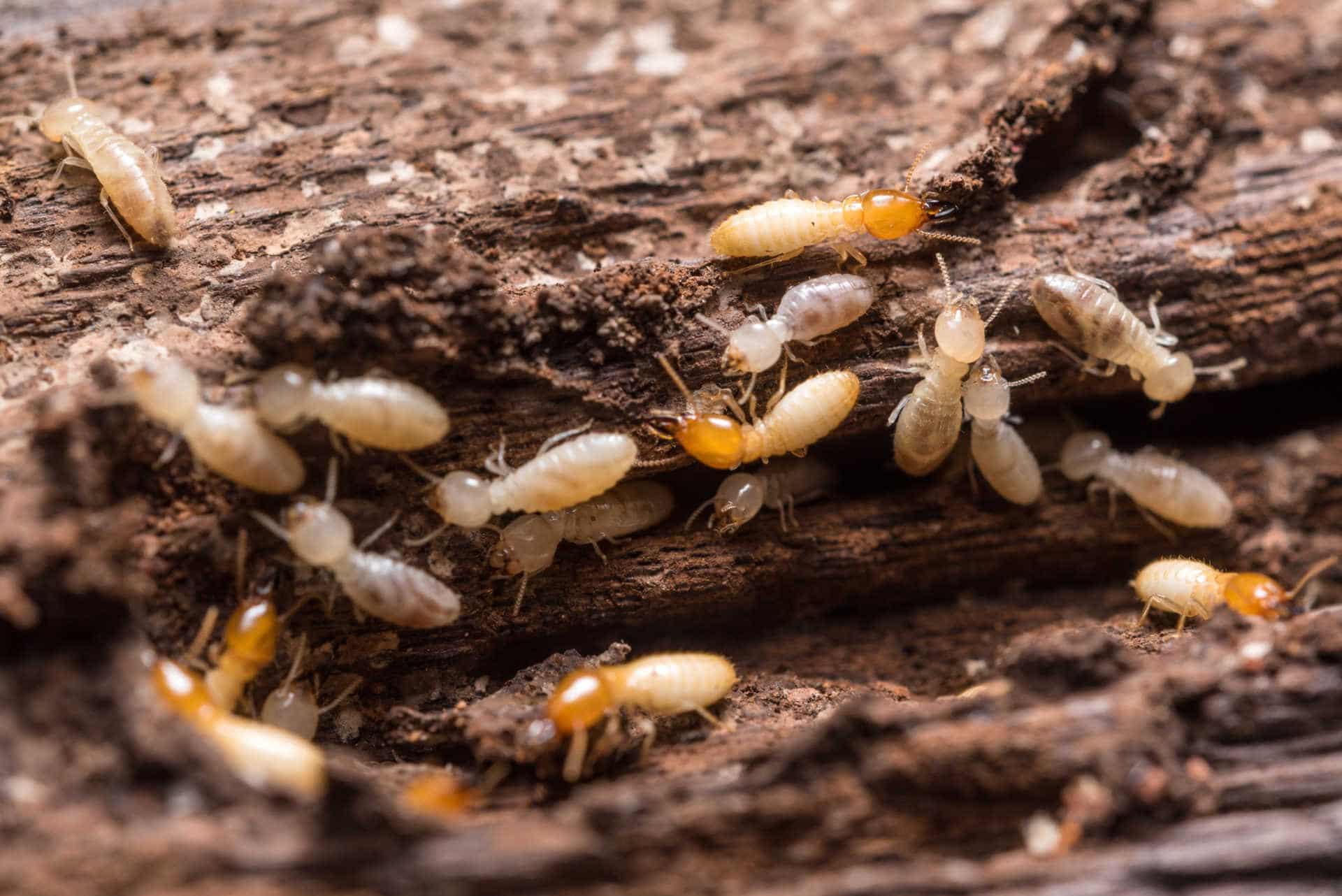
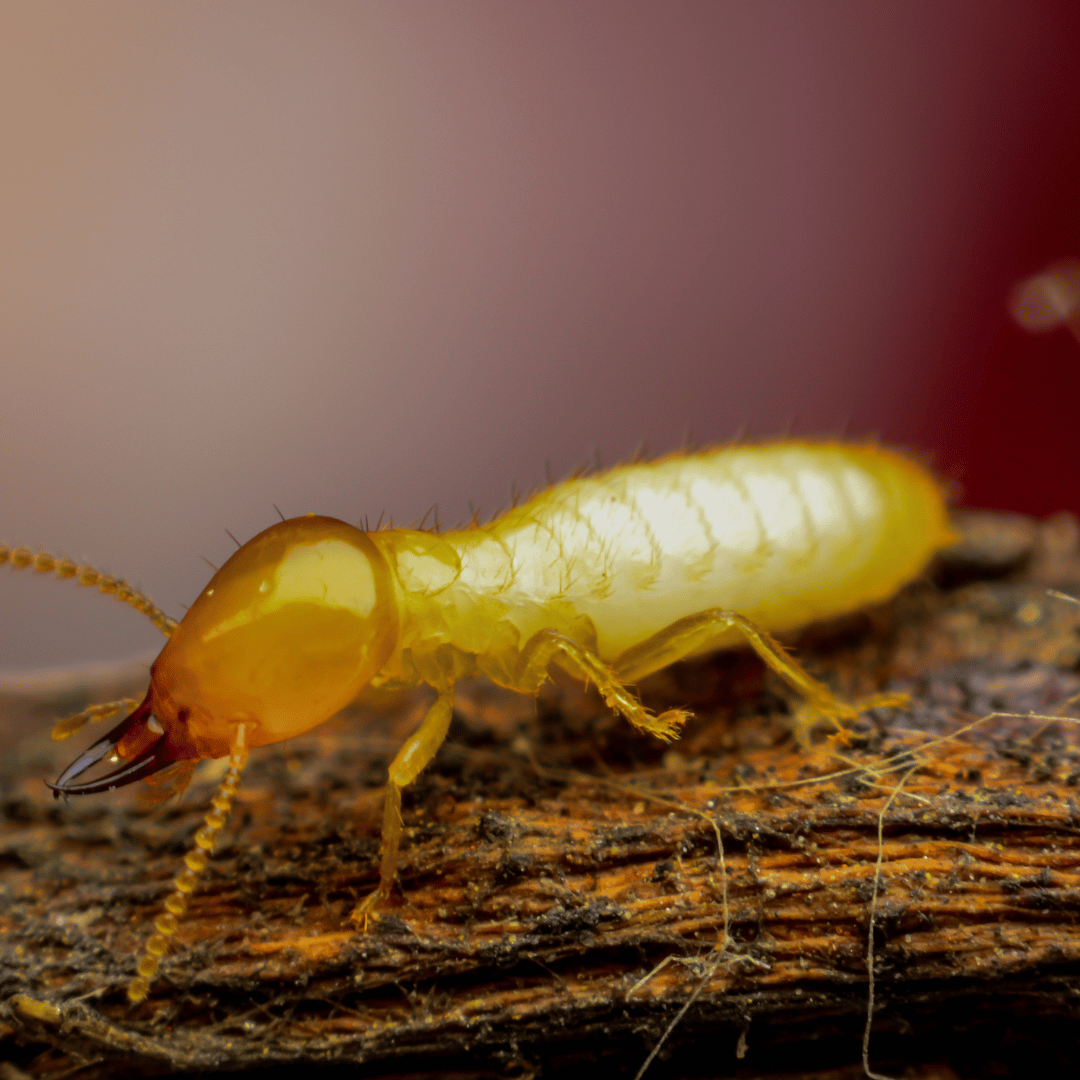
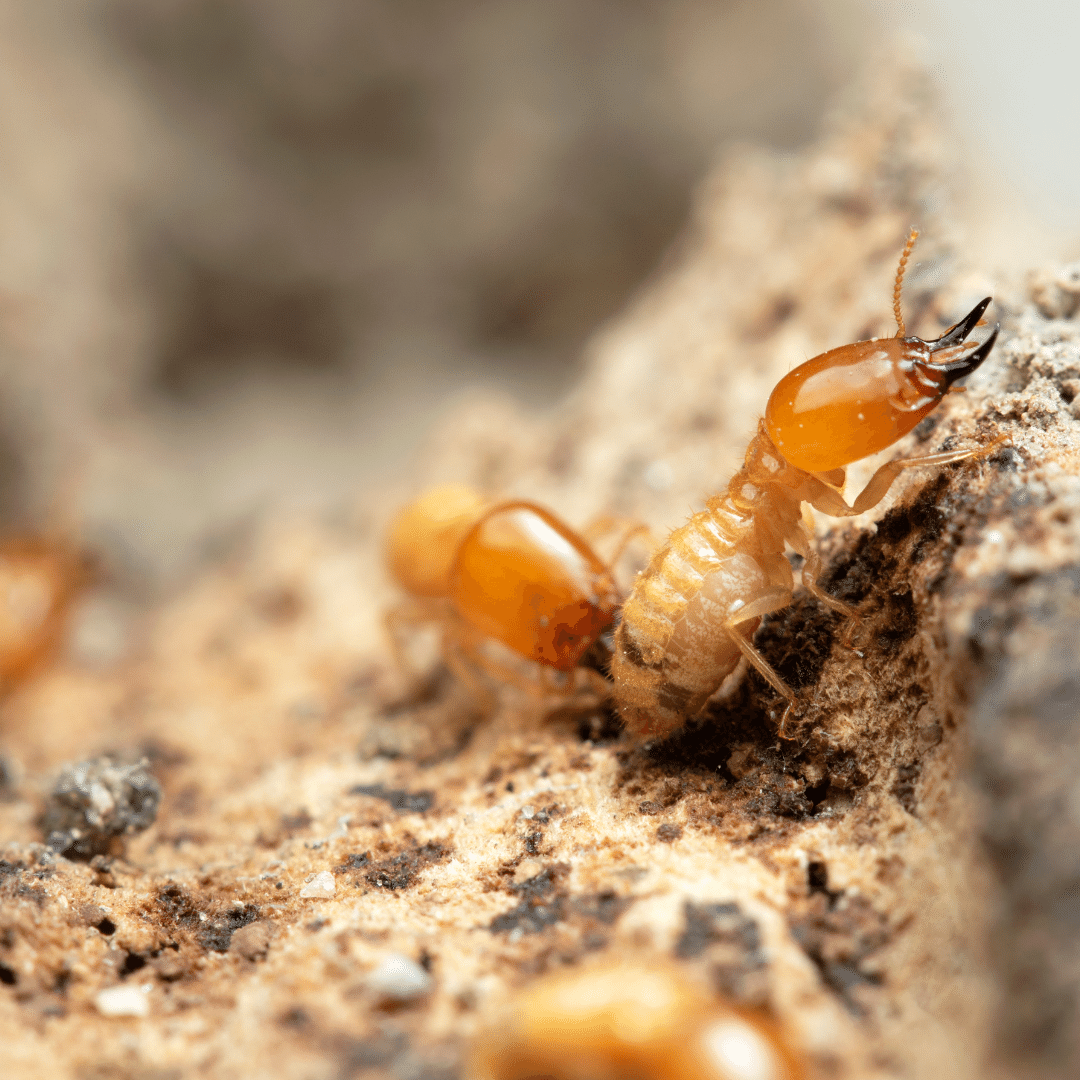
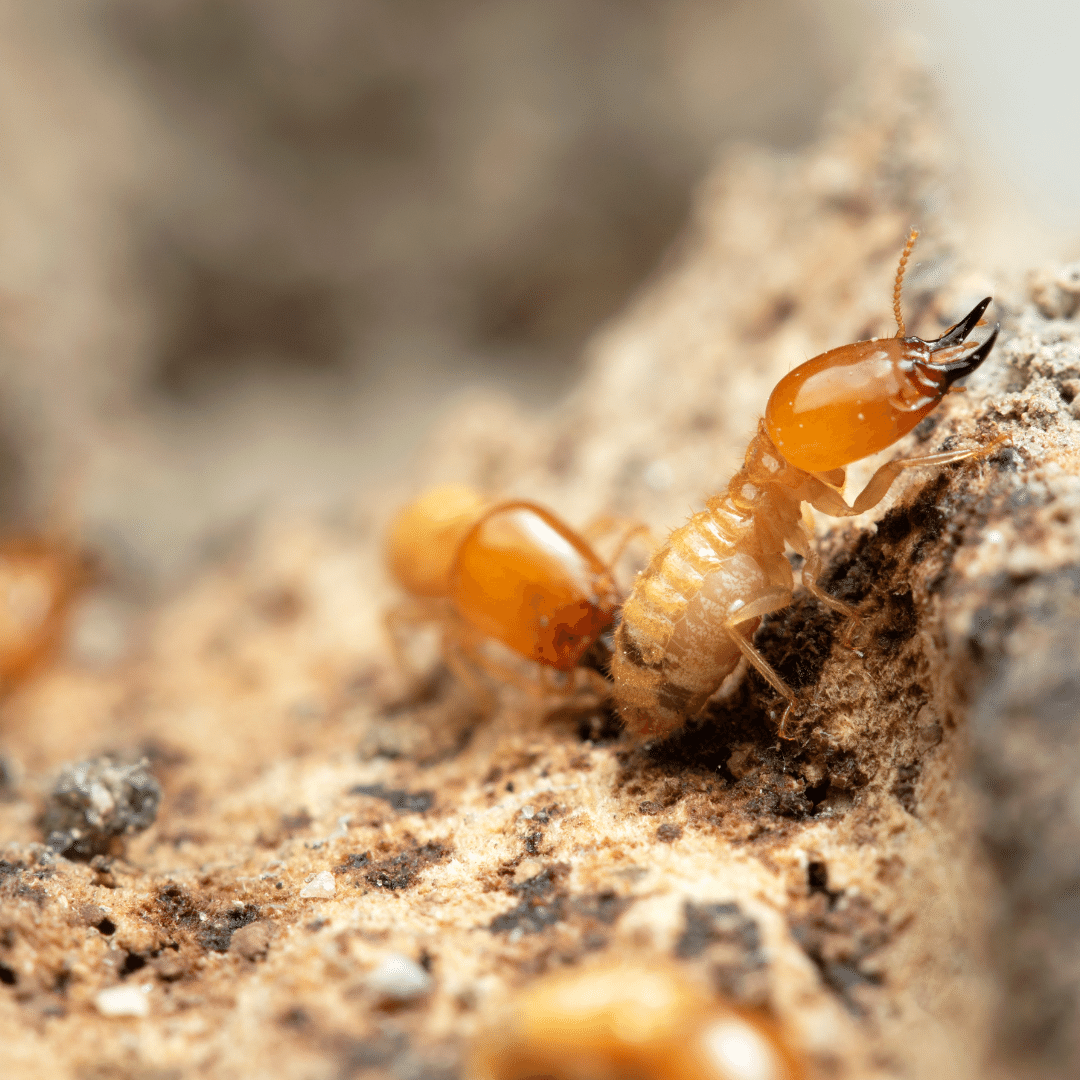
Termites are social insects that feed primarily on cellulose-based materials, making wooden structures and furniture particularly vulnerable to infestations. The warm climate and humid conditions in Dubai create an ideal environment for termite colonies to thrive and expand rapidly. These pests can cause significant structural damage before property owners notice their presence.
The cost of termite damage repair often exceeds prevention expenses, making early detection and professional treatment essential for property protection. Commercial buildings, residential homes, and office spaces throughout the UAE face continuous exposure to termite threats.
Subterranean termites represent the most destructive type in the UAE, building extensive tunnel networks through soil to access wooden structures. These termites require consistent moisture and create mud tubes to travel between their underground colonies and food sources. Drywood termites infest dry wood materials and can survive without direct soil contact, making them particularly challenging to detect.
Dampwood termites prefer moisture-rich environments and typically target areas with water damage or high humidity levels. Each termite type requires specific treatment approaches and prevention strategies to ensure effective control and long-term protection.
Early detection relies on recognizing key indicators such as mud tubes along foundation walls, hollow-sounding wood, and discarded wings near entry points. Property owners may observe small holes in wooden surfaces, sawdust-like frass, or structural sagging in affected areas. Swarmers, or reproductive termites, often emerge during specific seasons and indicate active colony presence.
Professional inspection services utilize advanced detection methods to identify termite activity before visible damage occurs. Regular monitoring and thorough assessment help prevent extensive infestations and minimize repair costs.
AED 800

Pre-construction treatment involves applying chemical barriers to soil before foundation installation, creating a protective zone around future structures. This preventive approach provides long-term protection by establishing treated areas that termites cannot penetrate. Professional application ensures proper coverage and chemical concentration for maximum effectiveness.
The process includes soil treatment, foundation perimeter protection, and strategic placement of termiticide solutions. Pre-construction methods offer the most comprehensive protection available for new construction projects throughout the UAE.
Post-construction treatments address existing structures through various application methods including drilling, injection, and barrier creation around building perimeters. These treatments target active infestations while establishing protective zones to prevent future termite entry. Professional technicians assess structural vulnerabilities and customize treatment plans accordingly.
The treatment process may involve multiple application points and specialized equipment to ensure complete coverage of vulnerable areas. Regular follow-up treatments maintain protection levels and monitor termite activity over time.
Chemical barrier treatments establish continuous protective zones around structures using approved termiticides that remain effective for extended periods. These barriers create an impermeable zone that termites cannot cross without exposure to lethal concentrations of active ingredients. Professional application ensures proper chemical placement and concentration levels.
The barrier treatment process requires precise application techniques and quality materials to maintain long-term effectiveness. Regular monitoring ensures barrier integrity and identifies areas requiring retreatment or maintenance.
Comprehensive inspection services utilize thermal imaging, moisture meters, and acoustic detection equipment to identify termite activity and structural vulnerabilities. Professional inspectors examine all accessible areas including basements, crawl spaces, and structural components. Detailed assessment reports document findings and recommend appropriate treatment strategies.
Risk assessment evaluates environmental factors, construction materials, and maintenance conditions that contribute to termite susceptibility. Regular inspection schedules help maintain property protection and identify emerging threats before significant damage occurs.
Direct wood treatment involves applying termiticides to infested materials and vulnerable wooden components throughout affected structures. Foundation treatment creates protective zones around building perimeters and addresses soil conditions that support termite activity. Specialized injection equipment delivers treatments to inaccessible areas within wall voids and structural components.
Treatment methods vary based on infestation severity, structural design, and material types present in affected areas. Professional application ensures proper product selection and application techniques for optimal results.
The treatment process begins with thorough property inspection to identify termite activity, damage extent, and environmental conditions supporting infestations. Professional technicians examine all accessible areas using specialized detection equipment and document findings in comprehensive reports. Assessment includes evaluation of structural vulnerabilities and moisture conditions that contribute to termite problems.
Inspection results guide treatment planning and help determine the most effective approaches for specific infestation scenarios. Detailed documentation provides baseline information for monitoring treatment effectiveness and future prevention strategies.
Treatment plans incorporate inspection findings, structural characteristics, and environmental factors to create targeted approaches for each property. Professional pest management specialists recommend specific treatment methods based on termite species, infestation severity, and structural requirements. Plans include treatment timelines, application methods, and follow-up procedures.
Customized approaches ensure optimal resource allocation and treatment effectiveness while minimizing environmental impact and structural disruption. Plans account for property-specific factors and owner preferences regarding treatment methods and scheduling.
Professional application utilizes approved termiticides and specialized equipment to deliver treatments according to manufacturer specifications and regulatory requirements. Technicians follow established safety protocols and application procedures to ensure worker and occupant protection during treatment processes. Quality control measures verify proper application rates and coverage areas.
Application methods vary based on treatment type and structural requirements, with techniques including soil injection, wood treatment, and barrier installation. Professional expertise ensures proper product selection and application timing for maximum effectiveness.
Post-treatment monitoring includes regular inspections to verify treatment effectiveness and identify any remaining termite activity. Professional follow-up services assess protection levels and recommend additional treatments when necessary. Preventive maintenance programs help maintain long-term property protection through ongoing monitoring and environmental management.
Follow-up schedules vary based on treatment type, environmental conditions, and property characteristics. Regular monitoring helps ensure continued effectiveness and provides early warning of new termite threats.
Professional technicians possess extensive training in termite biology, treatment methods, and safety protocols required for effective pest management. Certification programs ensure compliance with industry standards and regulatory requirements throughout the UAE. Years of experience provide practical knowledge for addressing complex infestation scenarios and challenging structural conditions.
Ongoing professional development keeps technicians current with emerging treatment technologies and regulatory changes. Expert knowledge enables accurate problem diagnosis and selection of optimal treatment strategies for diverse property types.
Modern treatment approaches utilize advanced formulations and application techniques that minimize environmental impact while maintaining high effectiveness against termite infestations. Eco-friendly solutions reduce chemical exposure risks for occupants and pets while providing reliable termite control. Professional equipment ensures precise application and optimal product performance.
Treatment methods incorporate latest technological developments and regulatory requirements for safe, effective pest management. Environmental considerations guide product selection and application procedures to ensure responsible pest control practices.
Prompt response to service requests helps prevent extensive termite damage and minimizes property owner inconvenience. Professional scheduling accommodates property owner preferences while ensuring treatment timing aligns with optimal effectiveness conditions. Reliable service delivery includes consistent communication and adherence to established timelines.
Service quality standards ensure consistent performance and customer satisfaction across all treatment scenarios. Professional reliability builds trust and supports long-term client relationships in the competitive pest control market.
Effective termite control preserves property values by preventing structural damage that reduces market appeal and functionality. Professional protection services help maintain building integrity and extend structural lifespan through proactive pest management. Regular treatment and monitoring prevent minor problems from developing into major repair requirements.
Property protection extends beyond immediate termite control to include prevention strategies that address long-term vulnerability factors. Comprehensive approaches ensure sustained property value and occupant safety through effective pest management programs.