Loading...

Ants pest control in the UAE is an on-site service performed by an exterminator, not a product sale. The visit focuses on locating trails, entry points, and nest areas, then applying a targeted treatm...

AED 200

Ants pest control in the UAE is an on-site service performed by an exterminator, not a product sale. The visit focuses on locating trails, entry points, and nest areas, then applying a targeted treatment adapted to the ant type and site conditions. It’s especially useful for recurring kitchen infest
7.0K reviews
December 2025
Excellent and very professional service
December 2025
Very good service
December 2025
Very professional service.
December 2025
Friendly and efficient
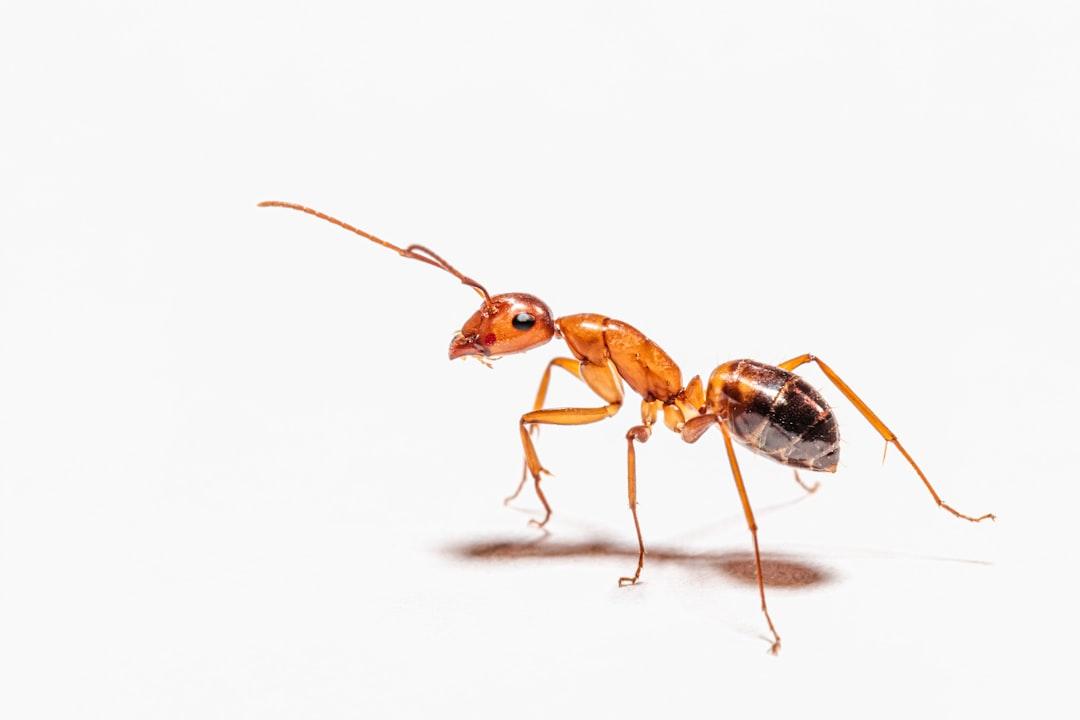
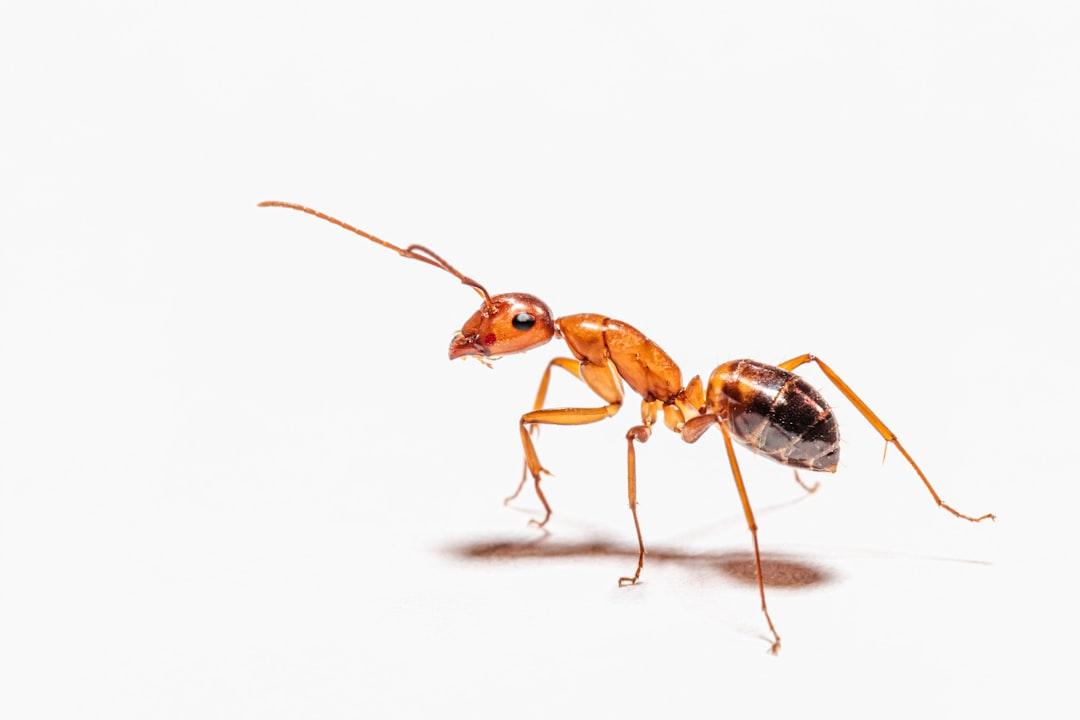
Ant pest control has become essential for maintaining a pest-free environment in homes and businesses across the UAE. These small pests can quickly establish colonies and create significant problems for property owners. Professional ant control services provide effective solutions to eliminate infestations and prevent future occurrences.
The warm climate of Dubai creates ideal conditions for various ant species to thrive throughout the year. Understanding the signs of an ant infestation and taking appropriate action helps protect properties from damage and health risks associated with these unwanted pests.
The climate and environment of Dubai provide optimal conditions for ants to establish colonies and multiply rapidly. High temperatures and humidity levels throughout most of the year create an environment where these pests can remain active continuously. Food sources are abundant in residential and commercial areas, attracting different species of ants to indoor spaces.
Construction activities and urban development often disturb natural ant habitats, forcing them to seek new nesting sites in buildings. Water sources such as leaking pipes, air conditioning units, and irrigation systems also attract ants to properties where they establish permanent colonies.
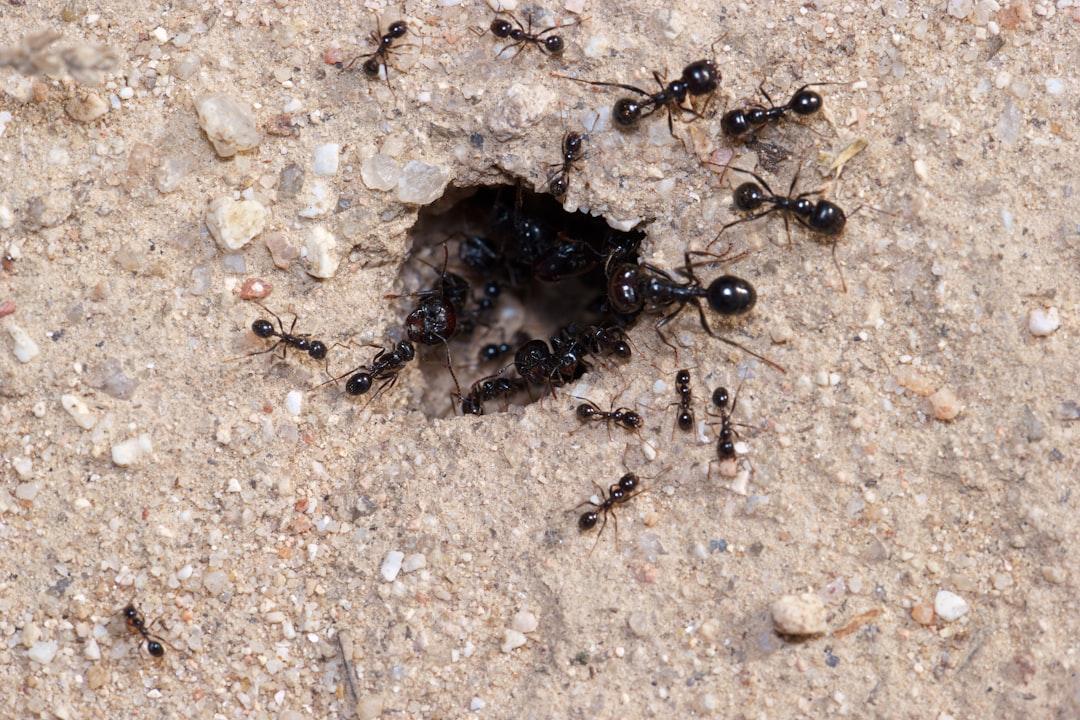
Visible ant trails represent the most obvious sign of an infestation, as worker ants follow scent paths to food sources. Small piles of soil or debris near entry points indicate nest construction activities. Discarded wings near windows or doors suggest the presence of reproductive ants establishing new colonies.
Rustling sounds within walls or wooden structures may indicate carpenter ant activity. Food contamination and damage to stored products also signal the presence of foraging ants. Professional inspection can identify less obvious signs and determine the extent of the problem.
Certain ant species pose health risks by contaminating food supplies and surfaces with bacteria and pathogens. Fire ants deliver painful stings that can cause allergic reactions in sensitive individuals. Some species carry diseases that affect both humans and pets within affected properties.
Property damage occurs when carpenter ants excavate wood structures to create nesting galleries. Electrical damage may result from ants attracted to warm electrical components. The presence of ants can also indicate underlying moisture problems that require attention.
AED 200

AED 300

AED 200


Effective ant control requires a systematic approach that addresses both visible ants and hidden colonies. Professional technicians follow established procedures to ensure thorough treatment and long-term results. The process begins with detailed inspection and continues through targeted treatment application and follow-up monitoring.
Trained professionals conduct thorough inspections to locate ant colonies, entry points, and trailing patterns. Species identification determines the most appropriate treatment methods for specific ant types. Inspection also reveals conducive conditions that attract ants to the property.
Advanced tools and techniques help locate hidden nests and assess the full extent of infestations. Documentation of findings provides the foundation for developing customized treatment plans. Regular monitoring ensures early detection of new ant activity.
Treatment strategies vary based on ant species, colony size, and nesting locations identified during inspection. Baiting systems target entire colonies by allowing worker ants to carry poison back to nests. Residual treatments create protective barriers that prevent new infestations.
Strategic placement of treatment materials ensures maximum effectiveness while minimizing exposure to occupants. Professional application techniques ensure proper coverage of all affected areas. Multiple treatment methods may be combined for comprehensive control.
Complete colony elimination requires targeting queens and reproductive members that sustain ant populations. Delayed-action baits allow worker ants sufficient time to distribute poison throughout colony networks. Follow-up treatments address satellite colonies and newly hatched ants.
Monitoring stations track ant activity levels and treatment effectiveness over time. Elimination success is measured by the absence of live ants and new trailing activity. Complete elimination typically requires several weeks to ensure all colony members are affected.
Environmentally conscious treatments minimize impact on beneficial insects and surrounding ecosystems. Low-toxicity baits and targeted application methods reduce chemical exposure while maintaining effectiveness. Integrated pest management principles guide treatment selection and application timing.
Natural repellents and exclusion methods complement chemical treatments for sustainable control. Green products approved for use in sensitive environments provide safe alternatives. These methods ensure effective ant control while protecting family health and environmental quality.
Long-term ant prevention involves addressing conditions that attract and support ant populations. Moisture control eliminates water sources that draw ants to properties. Structural modifications seal entry points and eliminate nesting opportunities.
Regular maintenance and monitoring help detect new ant activity before infestations become established. Sanitation improvements reduce available food sources that sustain ant colonies. Professional guidance ensures property owners understand their role in prevention efforts.
Different ant species require specific treatment approaches based on their biology and behavior patterns. Understanding common species helps property owners recognize potential problems and seek appropriate professional assistance. Each type presents unique challenges and requires targeted control methods.
Argentine ants form large colonies with multiple queens and establish extensive trailing networks. These invasive ants prefer sweet foods and establish nests in moist soil near buildings. Their aggressive nature allows them to displace native ant species and establish dominant populations.
Professional treatment focuses on locating and treating multiple nest sites simultaneously. Baiting programs must account for their preference for liquid food sources. Complete control requires eliminating all satellite colonies in the treatment area.
Carpenter ants excavate wood to create nesting galleries, potentially causing structural damage to buildings. They prefer moist or damaged wood but may also nest in sound lumber. These large ants are most active during evening hours when they forage for food sources.
Treatment requires locating parent colonies, often hidden within wall voids or structural wood. Moisture correction eliminates conditions that attract carpenter ants to properties. Professional inspection identifies damaged wood that may require repair or replacement.
Pharaoh ants are small, indoor-nesting species that prefer warm, humid environments found in buildings. They contaminate food and medical supplies, making them particularly problematic in healthcare facilities. These ants split colonies when threatened, making control challenging.
Specialized baiting programs prevent colony fragmentation during treatment. Heat-sensitive, pharaoh ants seek climate-controlled indoor environments year-round. Professional treatment avoids repellent materials that cause colony splitting and spread infestations.
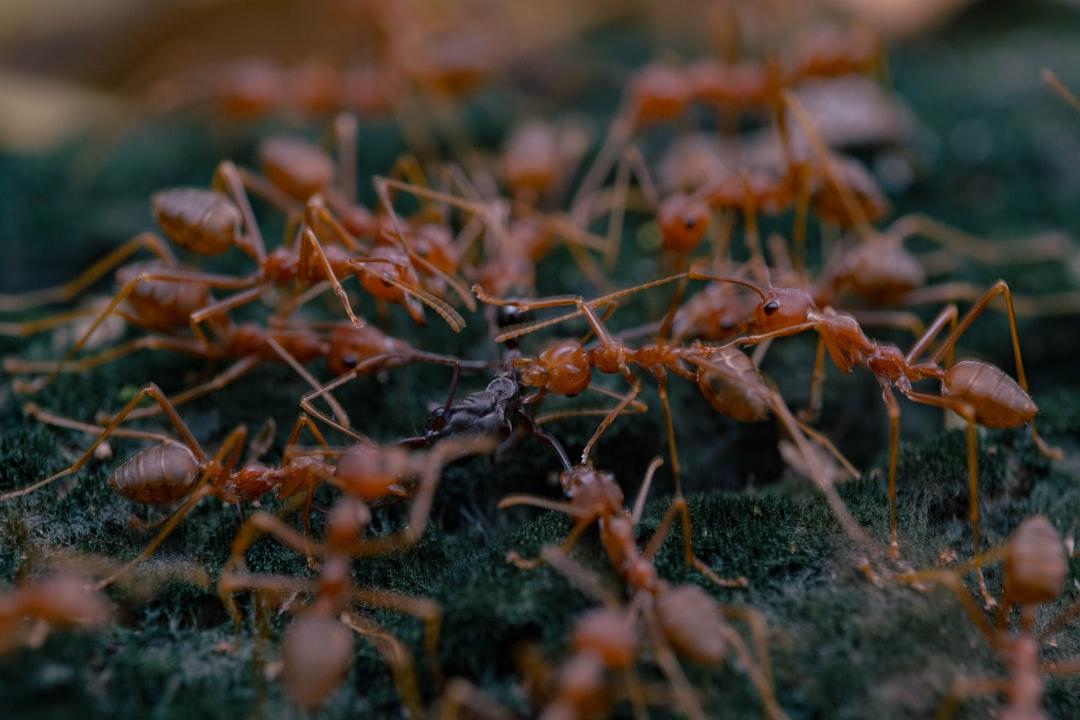
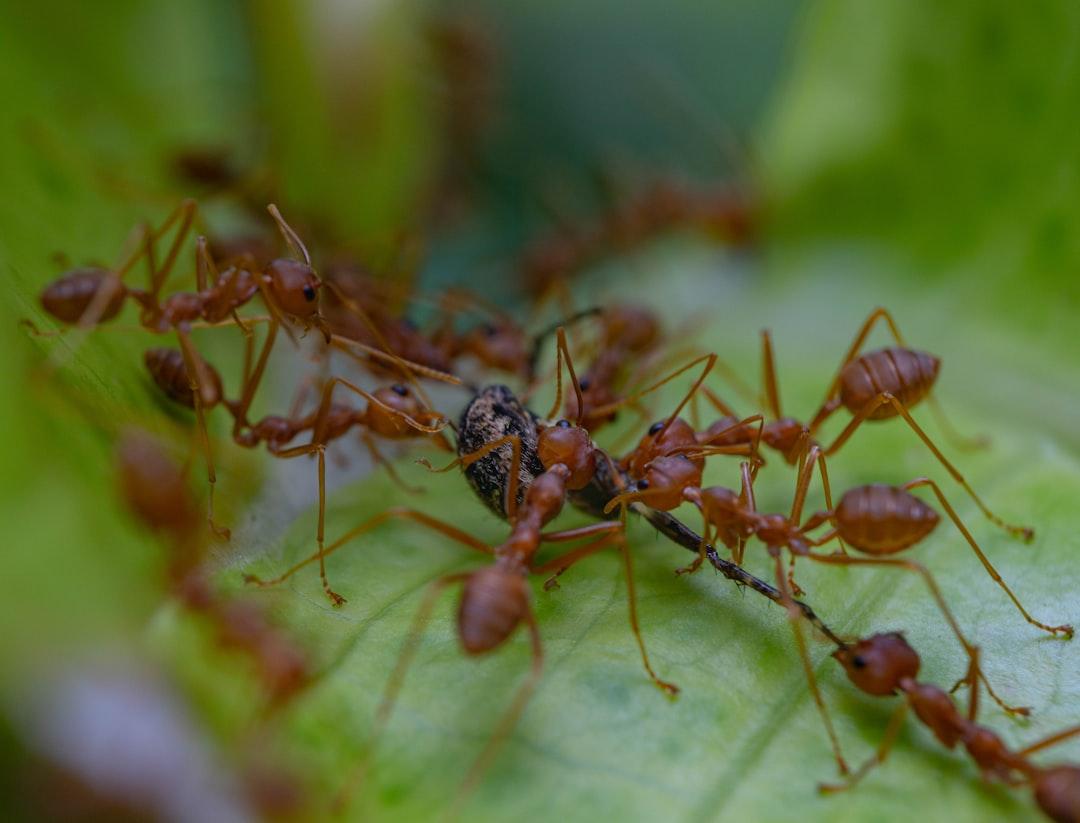
Fire ants build distinctive mound nests in outdoor areas and deliver painful stings when disturbed. Their aggressive behavior poses risks to people and pets using affected outdoor spaces. Large colonies can contain multiple queens and tens of thousands of worker ants.
Treatment targets entire mound structures and surrounding foraging areas. Special precautions protect technicians and property occupants from defensive stinging behavior. Elimination requires destroying all reproductive members within the colony structure.
Odorous house ants emit a distinctive smell when crushed and commonly invade kitchen areas seeking sweet foods. They establish multiple nesting sites and move locations frequently when disturbed. These adaptable ants can nest both indoors and outdoors depending on seasonal conditions.
Treatment must account for their tendency to relocate when stressed. Baiting programs work effectively because these ants readily accept various food sources. Sanitation and exclusion methods complement chemical treatments for long-term control.
Professional ant control services provide expertise and resources that ensure effective treatment results. Trained technicians understand ant behavior and apply proven methods for elimination and prevention. Quality service includes proper identification, targeted treatment, and ongoing support.
Certified professionals possess the knowledge and experience necessary for effective ant control. Ongoing training ensures technicians stay current with latest treatment methods and safety protocols. Years of experience working with local ant species provides valuable insights for treatment planning.
Professional certification demonstrates competency in pest identification, treatment selection, and safe application procedures. Experienced teams can handle complex infestations that require specialized knowledge and techniques. Continuous education ensures service quality meets industry standards.
Professional treatments balance effectiveness with safety considerations for occupants and the environment. Approved products and application methods ensure reliable results while minimizing health risks. Treatment protocols follow established safety guidelines and regulatory requirements.
Proper equipment and protective measures ensure safe application in residential and commercial settings. Treatment selection considers the presence of children, pets, and sensitive individuals. Effective methods eliminate ants while maintaining safety standards throughout the process.
Each property receives a customized treatment plan based on specific ant problems and site conditions. Treatment plans consider ant species, infestation extent, and environmental factors affecting success. Customization ensures optimal results while addressing unique challenges at each location.
Plans include both immediate treatment needs and long-term prevention strategies. Regular plan reviews and adjustments maintain effectiveness as conditions change. Flexible approaches accommodate special requirements and preferences of property owners.
Professional services focus on achieving complete ant elimination and preventing future problems. Treatment effectiveness is monitored through follow-up visits and customer feedback. Service includes addressing any remaining ant activity until satisfactory results are achieved.
Quality assurance measures ensure treatments meet established performance standards. Customer satisfaction remains the primary goal throughout the service process. Results-focused approach ensures value and effectiveness for clients seeking reliable ant control.
Rapid response helps prevent small ant problems from developing into major infestations. Prompt service scheduling accommodates urgent ant control needs. Efficient treatment procedures minimize disruption to normal activities while achieving thorough results.
Quick response includes emergency service options for severe infestations requiring immediate attention. Streamlined service delivery ensures timely completion of all treatment phases. Fast response times demonstrate commitment to customer service and problem resolution.
Prevention strategies reduce the likelihood of ant infestations and minimize the need for extensive treatments. Simple maintenance practices and environmental modifications create conditions unfavorable to ant establishment. Consistent prevention efforts provide long-term protection against various ant species.
Regular cleaning removes food particles and residues that attract foraging ants to indoor areas. Immediate cleanup of spills prevents the establishment of scent trails that guide other ants to food sources. Thorough cleaning of kitchen areas, dining spaces, and food storage locations eliminates ant attractants.
Proper waste management includes secure containers and frequent disposal to prevent accumulation. Clean surfaces reduce odors and sticky residues that signal food availability to searching ants. Consistent cleaning routines maintain conditions that discourage ant establishment and colony development.
Caulking cracks and gaps around windows, doors, and utility penetrations prevents ant entry into buildings. Weather stripping and door sweeps eliminate spaces where ants commonly enter structures. Regular inspection identifies new openings that require sealing as buildings settle and age.
Foundation repairs eliminate entry points at ground level where many ant species first access buildings. Proper sealing materials withstand weather conditions and provide long-lasting protection. Entry point elimination forces ants to seek alternative locations for nesting and foraging.
Sealed containers protect stored food from ant contamination and eliminate attractive odors. Refrigeration of susceptible items removes them from areas accessible to foraging ants. Regular rotation and inspection of stored food prevent accumulation of ant-attractive materials.
Pet food storage requires the same attention as human food to prevent attracting ants to feeding areas. Clean storage areas remain free of spilled materials that provide continuous food sources. Proper storage practices eliminate the resources ants need to establish and maintain colonies.
Landscape management reduces outdoor ant nesting opportunities near buildings. Proper drainage eliminates moisture accumulation that attracts certain ant species. Vegetation management removes plant materials that provide nesting sites and food sources for outdoor colonies.
Outdoor cleaning includes removal of fallen fruit, pet waste, and other organic materials that feed ant populations. Regular inspection of outdoor areas identifies new ant activity before colonies become established. Proactive outdoor management reduces pressure on indoor spaces from adjacent ant populations.
Professional ant control services provide the expertise and resources needed for effective elimination and prevention. Experienced technicians deliver customized solutions that address specific ant problems at each property. Quality service ensures lasting results and customer satisfaction.
Free quotes provide detailed information about treatment options and costs without obligation. Property assessment identifies specific ant problems and determines appropriate treatment approaches. Quote information helps property owners make informed decisions about ant control services.
Detailed quotes include service descriptions, treatment schedules, and prevention recommendations tailored to each property. Transparent pricing eliminates surprises and helps customers understand the value of professional ant control services.
Immediate assistance is available for urgent ant problems requiring prompt attention. Emergency service options address severe infestations that pose health or safety risks. Quick response ensures ant problems receive appropriate treatment before they worsen.
Professional staff can provide guidance and schedule service appointments to meet urgent needs. Contact options include phone, online, and in-person consultations to accommodate customer preferences. Immediate assistance demonstrates commitment to customer service and problem resolution.